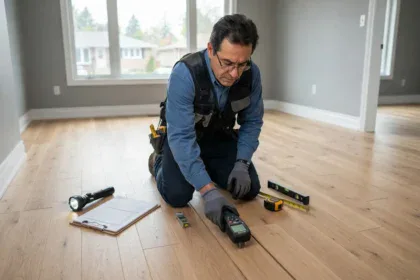


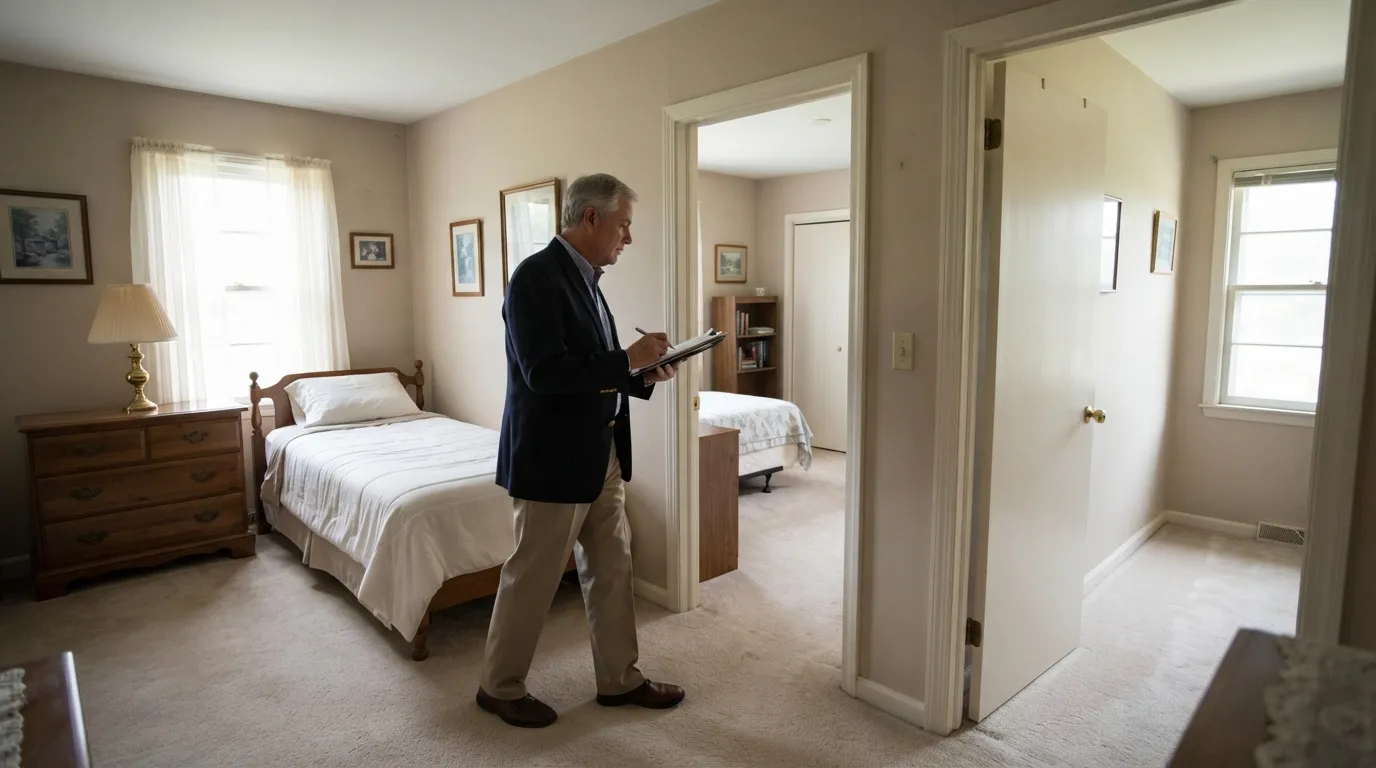
Most homeowners picture an appraiser combing through every drawer and closet for an hour. In reality, a standard single-family visit usually lasts 30 to 60 minutes, so a lot gets noticed before you’ve finished the tour.
And what gets noticed is rarely what sellers stage. While you fluff the pillows, the appraiser may be studying your roof, your front steps and the smell in your entryway, and the item at the very end of this list changes how your whole house gets judged.
#15 – The Setting Around the House
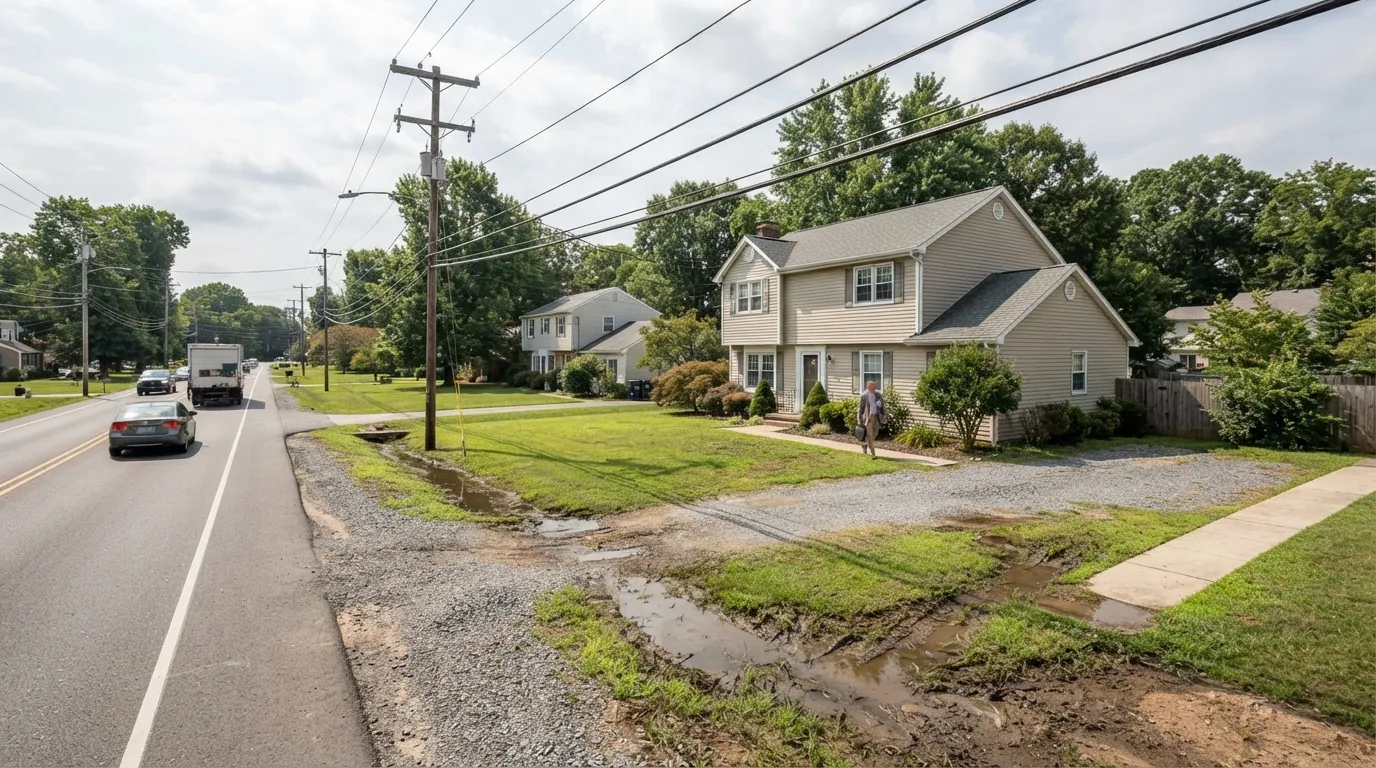
The first thing an appraiser sizes up isn’t your kitchen. It’s everything outside your property line.
Busy roads, power lines and drainage problems all show up on the list of site negatives. Owners tend to tune these out after living there a few years, but a fresh set of eyes catches them in seconds.
Appraisers also review zoning, utilities and whether the home sits in a flood zone. None of that depends on how clean your house is.
At a Glance: The Appraisal Visit
- On-site time: typically 30 to 60 minutes for a standard single-family home, closer to 90 for larger or complex properties.
- Typical fee: roughly $300 to $500, with one national average sitting near $357.
- Who orders it: the lender, though the buyer usually pays through closing costs.
- Report timing: often one to two weeks from order to delivery.
A home in excellent condition in a weak comparable market can still appraise lower than an average home in a strong one. Most sellers assume the appraisal is a verdict on the house, but part of it is a verdict on the block.
Did You Know: Fannie Mae requires a complete visual inspection of the accessible areas of the interior and exterior. The short visit covers the whole property, not just the rooms you staged.
But the next thing on the list is closer to your front door, and you probably walk past it every day.
#14 – The Cracked Driveway and Worn Walkways
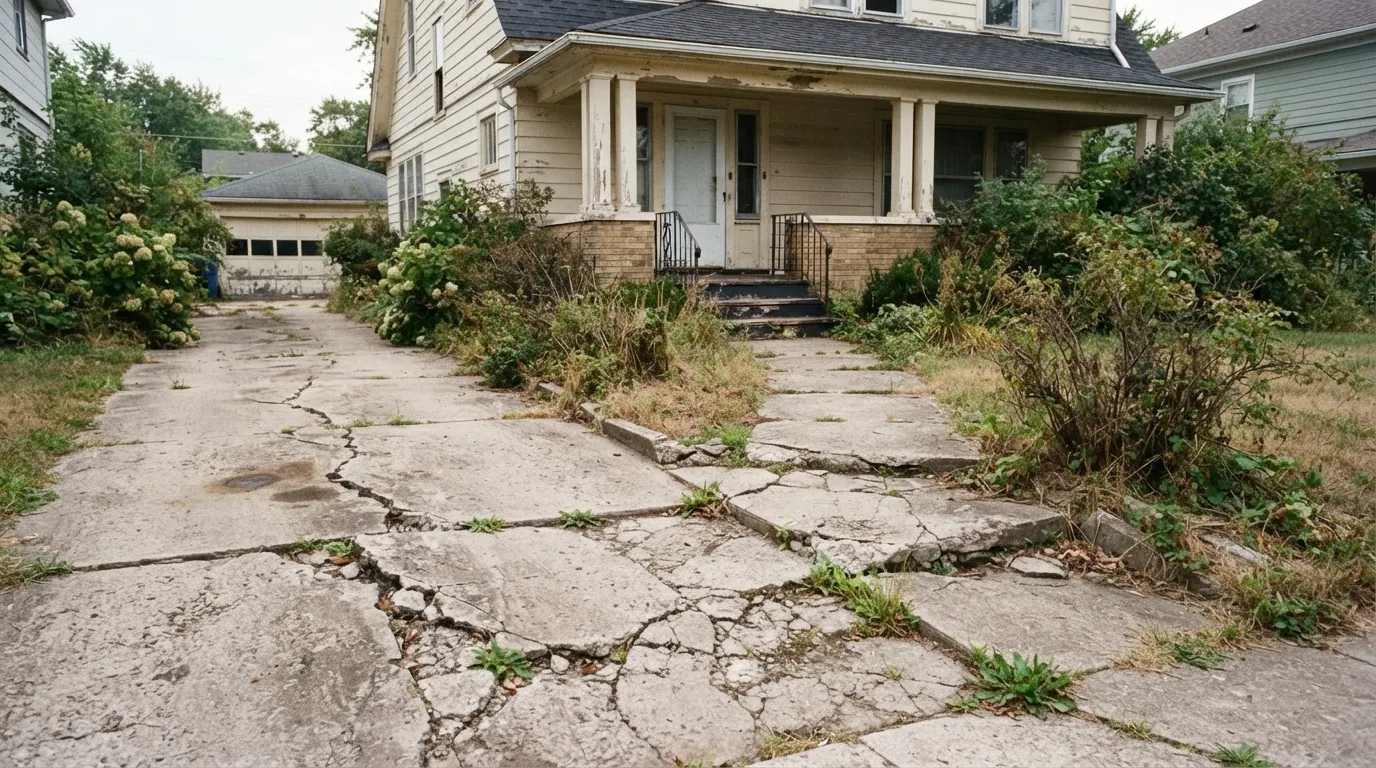
Cracked concrete is quietly doing more damage than most sellers realize. Appraisers note the driveway surface, any significant cracking or upheaval, and the condition of walkways and exterior steps.
It takes seconds, and it happens before anyone rings the bell. By the time you open the door, a first impression has already formed.
Overgrown landscaping, cracked driveways and peeling exterior paint all reduce curb appeal. They feed into the condition rating the appraiser assigns after that first exterior look.
The exterior checklist also covers the garage, any deck, patio or porch, the pool and outbuildings. Every one of those gets a second look.
Even cosmetic flaws, such as chipped paint or broken tiles, may suggest more serious neglect. It’s the small-thing, big-story problem: one skipped repair makes an appraiser wonder what else was skipped.
Turns out the biggest exterior item sits far above eye level, and it’s the one owners think about least.
#13 – The Roof You Haven’t Thought About in Years

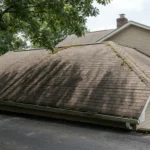
A roof you haven’t glanced at in a decade is one of the first things an appraiser looks up at. Roof age and visible wear are both on the list of things appraisers notice.
Curled shingles are among the signs of neglect that stand out from the street. You can’t hide them with a fresh coat of paint on the front door.
On an FHA appraisal, the roof is expected to have at least two years of remaining useful life under HUD Handbook 4000.1. A roof can be standing, dry and still be a problem on paper.
Roof damage is also one of the most common appraisal repair demands. The loan type changes how strict it gets, so the same flaw can be a mere note on one loan and a required repair before closing on another.
Why It Works: Permits and invoices count as evidence. A dated roofing record gives the appraiser something concrete to point to, instead of a guess about the roof’s age.
Next comes a safety issue that has nothing to do with looks, and it can stall a loan over a few steps.
#12 – Steps, Railings and the Front Door
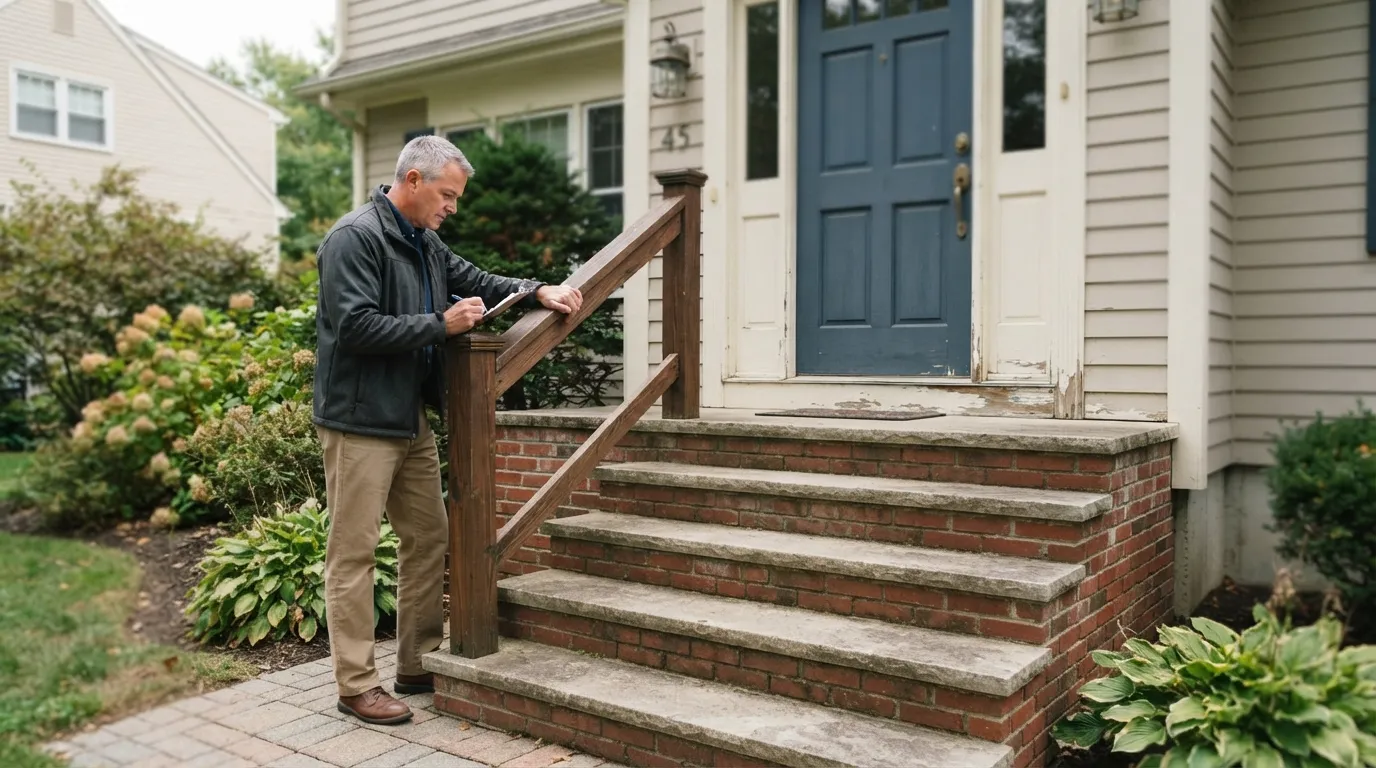
A missing handrail can turn a routine visit into a repair demand. Missing handrails on staircases are a common required repair on FHA loans, and it’s a cheap fix only if you know about it first.
Rot around exterior doors is another item owners learn to ignore. Rotted window sills, broken gutters and non-working exterior lights all count as deferred maintenance.
- Railings: check every staircase, inside and out.
- Door edges and sills: press gently for soft spots.
Fannie Mae allows an “as-is” appraisal only when minor conditions don’t affect safety, soundness or structural integrity. A wobbly handrail sits right on that line.
Try This: Walk your own entry with a notepad. Check each railing, step, door edge and light fixture. Fixing small items first keeps them out of the report.
But the next clue arrives before you even step through the door, and it’s one you can’t photograph.
#11 – The Smell When the Door Opens

Your nose can flag a problem faster than any measuring tape. The moment the door swings open, a musty odor tells the appraiser a story you never meant to tell.
Water stains and musty smells usually point to ongoing leaks or moisture problems. Those can hide inside walls, under flooring or in basement corners.
Even a minor leak that was repaired long ago can hurt value if visible stains or lingering mold remain. Most people don’t realize old damage can keep showing.
Mold has loan consequences too. On government-backed loans, active mold must be remediated before closing, and water intrusion in basements, crawlspaces or ceilings can trigger a moisture and mold inspection.
Masking a smell is a mistake. It doesn’t fix the moisture behind it, and stains tend to give the game away.
And the stains are exactly where the appraiser looks next.
#10 – The Clutter and What It Hides
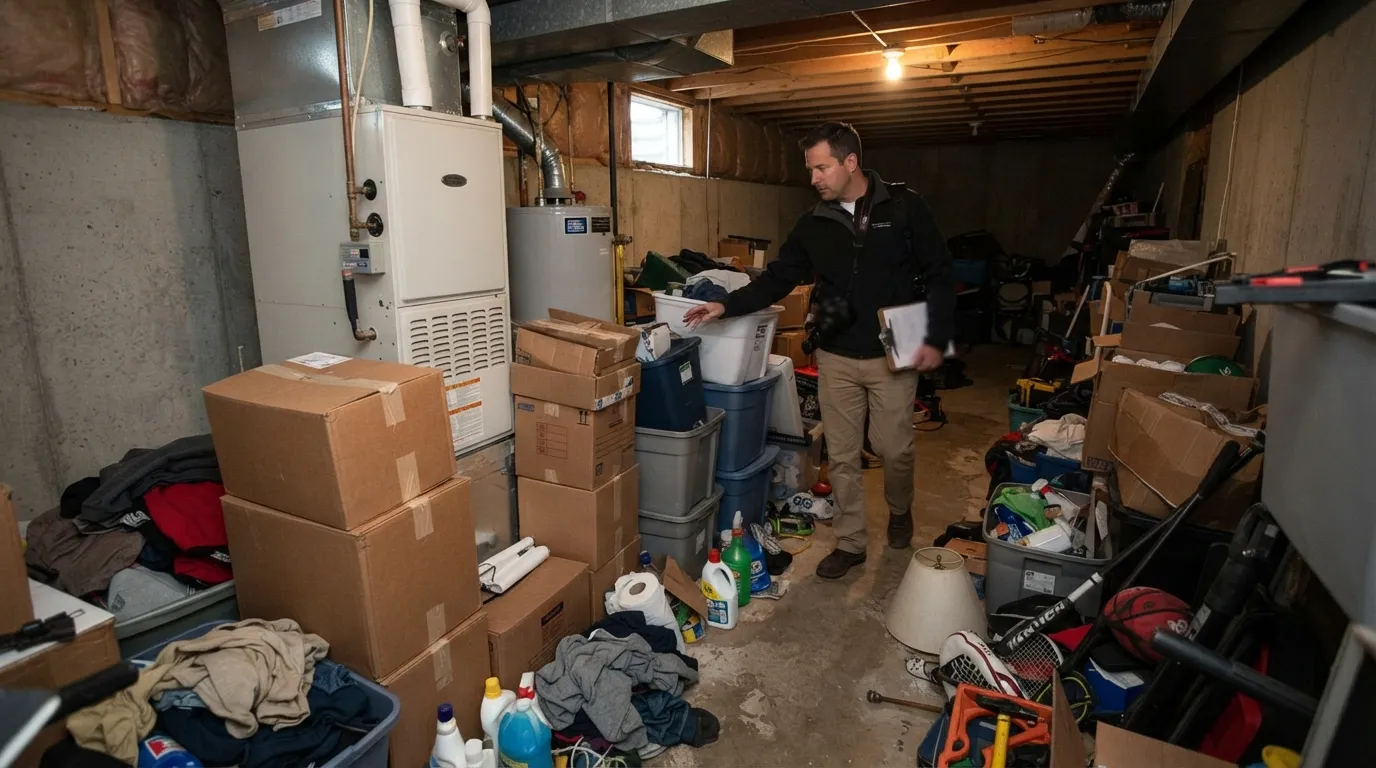
Messy rooms don’t lower your appraisal directly, but they can still cost you. Clutter doesn’t reduce appraised value on its own.
What it can do is keep the appraiser from accurately seeing condition, features and square footage. A pile of boxes in front of a wall is a question mark on the report.
A severely cluttered home may block access to parts of the house, and that can affect the appraisal. What an appraiser can’t see, they can’t credit.
Many sellers scrub grout the night before. Experts say that’s the wrong target, because owners focus on decor while appraisers care more about risk, utility and market reaction.
Insider Tip: Clear a path to the furnace, water heater and any closets. Appraisers photograph the furnace, central air and detectors, so blocked access slows that down.
Now for the surface that gets tracked across every room in the house.
#9 – The Floors Under Your Feet
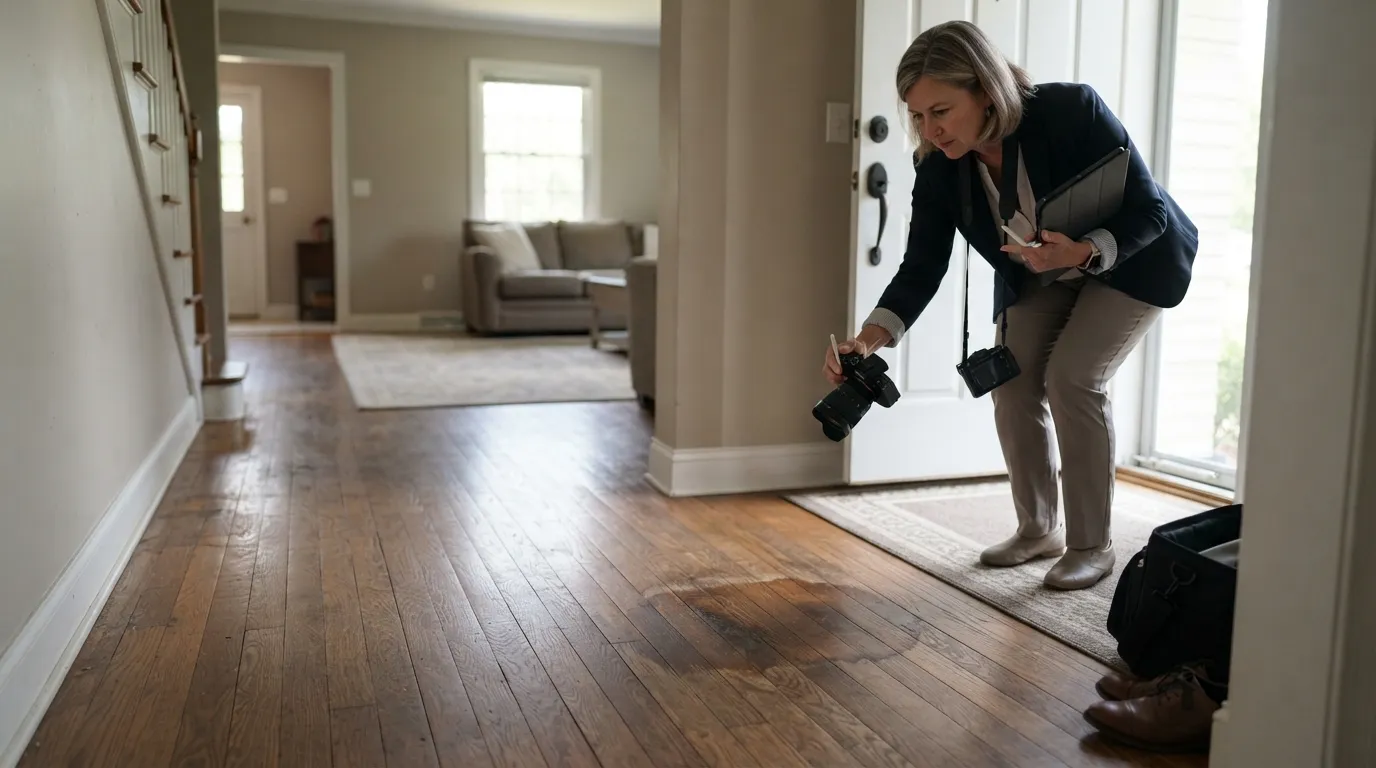
Floors are the quiet scorekeepers of the whole interior. Hardwood, tile and quality luxury vinyl plank rate higher than worn carpet or damaged linoleum.
Appraisers photograph all the rooms, and floors show up in nearly every frame. A stained patch near the doorway can follow you through the whole report.
Old flooring sits on the same list as old HVAC and water heaters. Interior checks also cover room count, ceiling height, storage and natural light.
Many sellers rush to buy new carpet before the visit. Experts caution that one replaced surface rarely does the whole job, since moving from C3 to C2 requires essentially everything to be recently updated.
Floors tell one story. The ceiling above them often tells a more worrying one.
#8 – Stains on the Ceiling
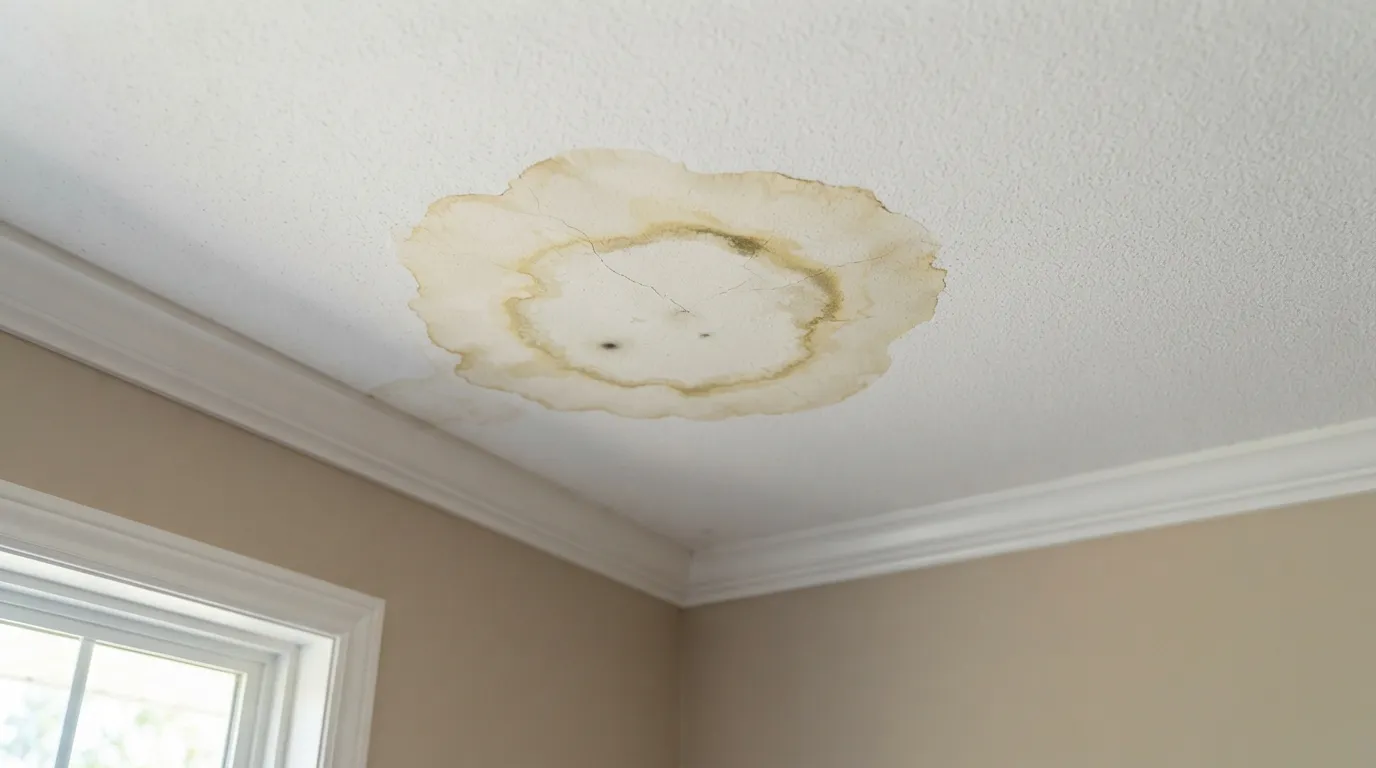
A faint brown ring overhead can matter more than a brand-new countertop. Water stains may indicate an ongoing leak, which is exactly why appraisers write them up.
On a VA loan, a licensed contractor, plumber or home inspector may need to identify the source. That’s an extra step, and extra steps can delay a closing.
Dampness, large cracks and stains that suggest a leak all appear on lists of structural problems that can fail an FHA appraisal. A stain is never just a stain to a lender.
Worth Knowing: Why a Stain Gets Flagged
- VA loans: a licensed pro may be needed to pinpoint where the water came from.
- FHA loans: leak-like stains sit alongside dampness and large cracks on the list of structural concerns.
- Old repairs: a long-fixed leak can still cost value if the mark is still visible.
You don’t need to be an expert to notice peeling paint, curled shingles and water stains. A trained appraiser spots them in seconds.
The Science Behind This: Water travels. It can follow a pipe or rafter and show up far from where it began, so a ceiling stain doesn’t prove where the leak started.
But a closely related surface problem carries a much heavier label, depending on when your house was built.
#7 – Peeling Paint That Isn’t Just Paint
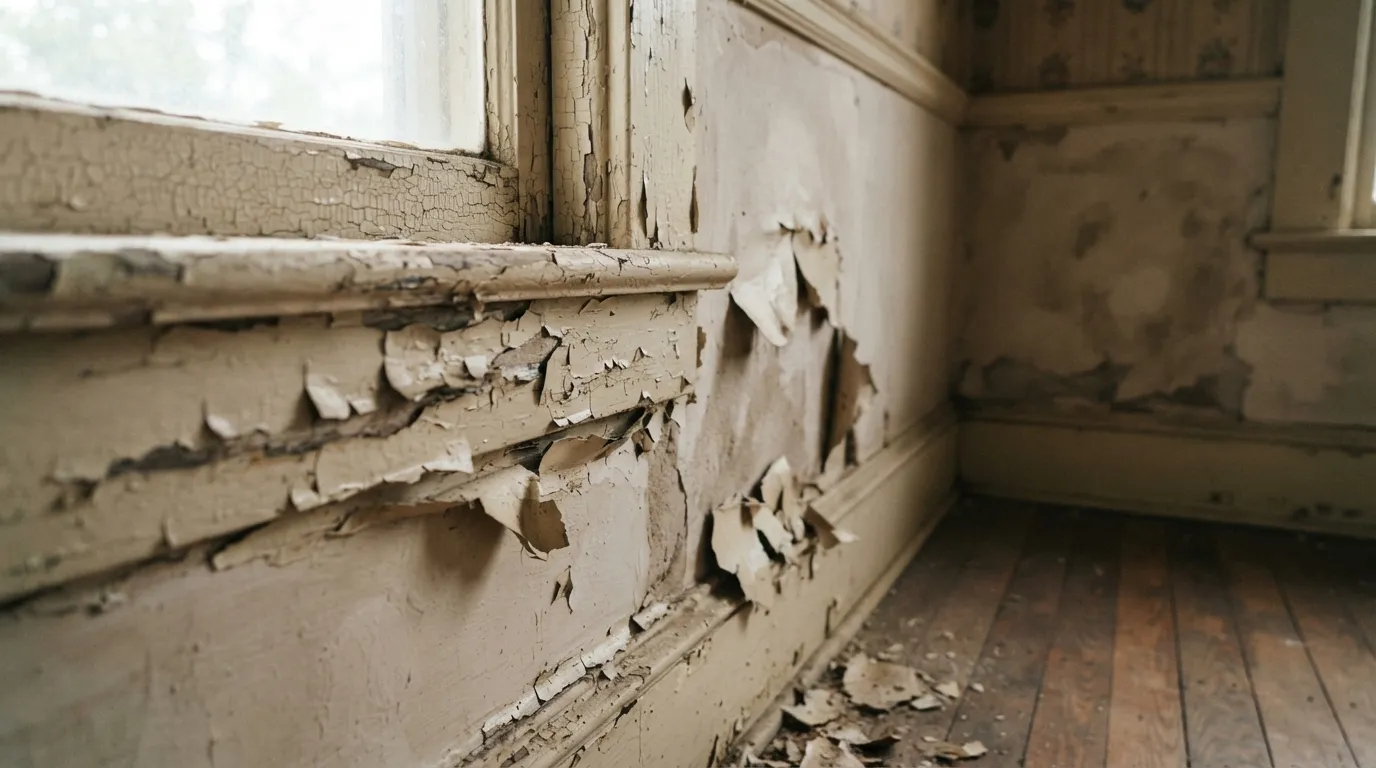
Peeling paint looks cosmetic, yet in some houses it’s treated as a health hazard. Chipping or peeling paint on a pre-1978 home triggers a lead-based paint repair flag for FHA and VA loans.
A VA appraiser must assume that peeling paint in a pre-1978 home involves lead-based paint, according to the VA Lender Handbook. The usual fix is scraping or washing loose paint and repainting with non-leaded paint.
Paint can also work in your favor. Fresh paint, repaired fixtures and clean surfaces can shift the condition tier and change the adjustment by several thousand dollars.
Most people dismiss paint as the cheapest fix there is. Experts say that’s exactly the point.
Next up are the machines behind the walls, and the appraiser’s approach to them might surprise you.
#6 – The Furnace, AC and Water Heater
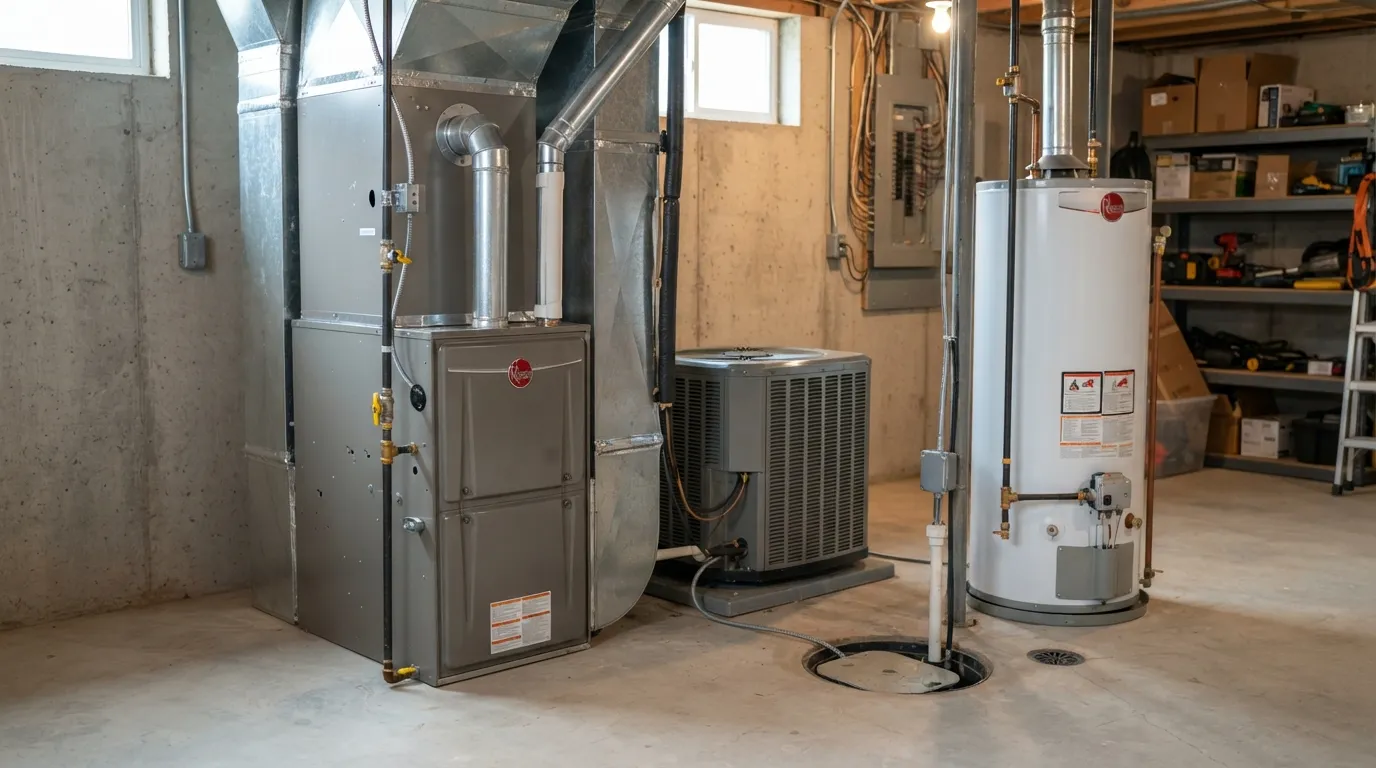
The machines in the basement get a quick look, not a lab test. Appraisers check that HVAC, plumbing and electrical work, though they won’t dig deep into testing.
They typically photograph the furnace, central air and detectors. Old HVAC units and water heaters also appear on the list of items appraisers notice.
A water heater, furnace or plumbing system that can’t be tested or is non-functional can trigger a required-repair note. That’s true across loan types, and it can hold up a closing.
Minimum property standards expect adequate heating and cooling, plus reliable water, electricity and gas. A house that can’t offer those basics isn’t ready for a loan, no matter how pretty it is.
Did You Know: The lender orders and owns the appraisal. The buyer arranges and pays for a home inspection separately. They are two different jobs.
Systems are one thing. The finishes around them are where sellers tend to overestimate themselves.
#5 – “Updated” Versus Actually Updated

The form makes the appraiser pick a word for your kitchen, and it’s rarely the one you’d choose. The report asks whether kitchens, baths and similar components are not updated, updated or remodeled.
That is the door through which upgrades enter the report. If the word comes back as “updated” when you expected “remodeled,” the number moves with it.
One industry write-up lists updates that look better than they are among the things appraisers notice. A cosmetic refresh isn’t always read as a full remodel.
Receipts help the appraiser see the work, but they do not set the value. Sellers often insist a big remodel returns every dollar, yet the market decides, not the invoice.
Why It Works: Upgrades are valued through market-supported adjustments against comparable sales. A remodel helps only to the extent that buyers have paid more for similar work nearby.
But there’s a second score that has nothing to do with age or wear, and almost nobody knows it exists.
#4 – Condition Isn’t Quality

Most people don’t realize appraisers score two separate things, and mixing them up is a costly mistake. Quality ratings (Q1 to Q6) grade how well the house was built, while condition is about wear.
A custom home with marble everywhere can be high quality and still in rough condition if nobody has touched it in decades.
A basic tract home can be modest quality yet in great condition because the owner fixes things the day they break. Neither score cancels out the other.
A Q4 is the baseline for a standard tract home, Q3 means upgraded finishes and materials, and Q2 is high-quality custom construction. Those labels quietly shape which homes get compared to yours.
Quick Compare: Quality vs. Condition
- Quality (Q1 to Q6): how well the home was built and what it’s made of.
- Condition (C1 to C6): how much age, wear and deferred upkeep show.
- Easier to move: condition, usually. Quality is baked in.
So a pricey build doesn’t protect you from neglect. And the next item isn’t about wear or materials at all.
#3 – The Bedroom You Have to Walk Through
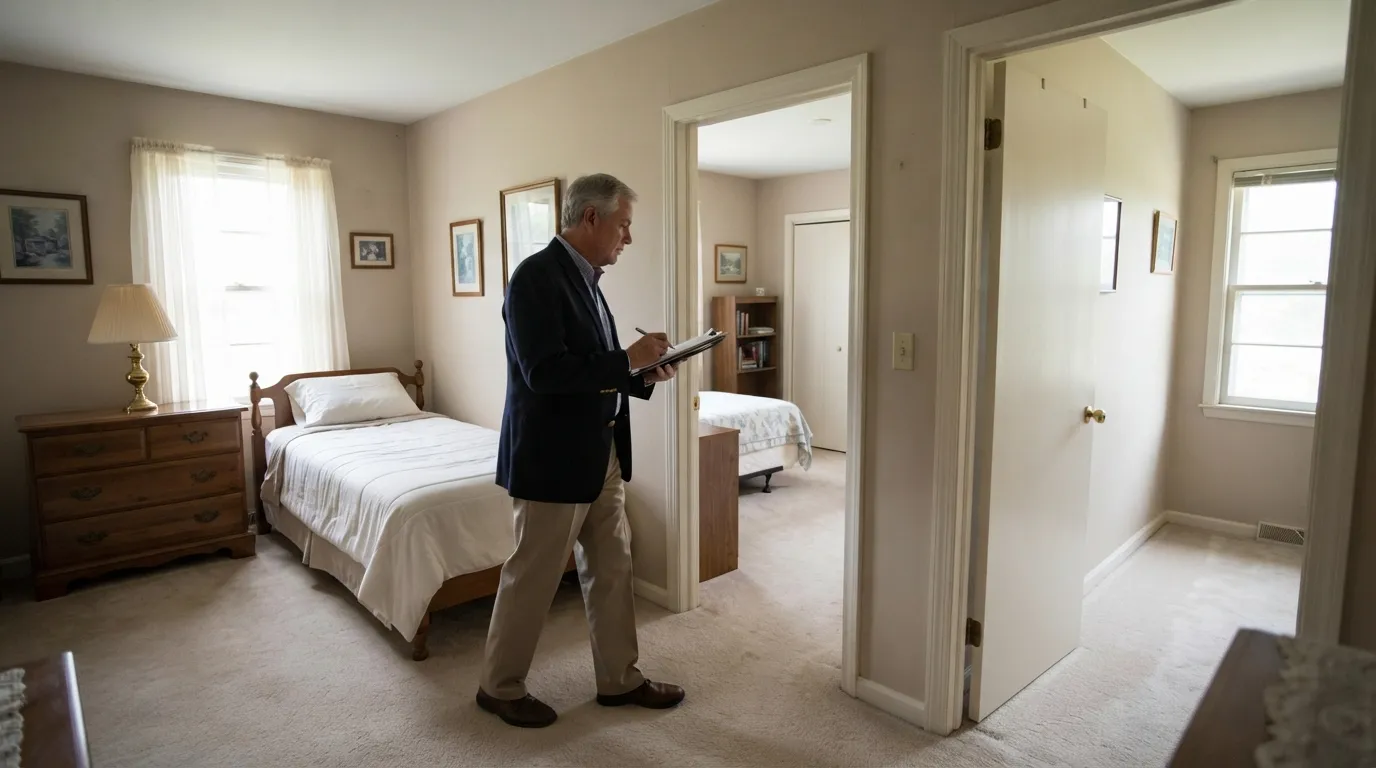
A floor plan that made sense in 1965 can quietly cost you today. Functional obsolescence isn’t about poor condition; it’s about a layout that no longer meets market expectations.
Appraisers look for quirks like these:
- A bedroom reachable only through another bedroom
- No real dining space, or one bath where buyers expect two
Four bedrooms served by one bathroom, in a market where such homes typically have two, can draw a functional utility deduction. One Las Vegas agent argues that a willing buyer has already worked past the layout issue and that reductions are more likely in a refinance, but appraisers still note the problem.
Editor’s Note: Layout is the one item no weekend project fixes. You can repaint a room in a day, but moving a wall takes permits, money and time.
The next number is one most sellers think they already know, and it’s where the biggest disagreements start.
#2 – The Number on the Listing vs. the Tape Measure
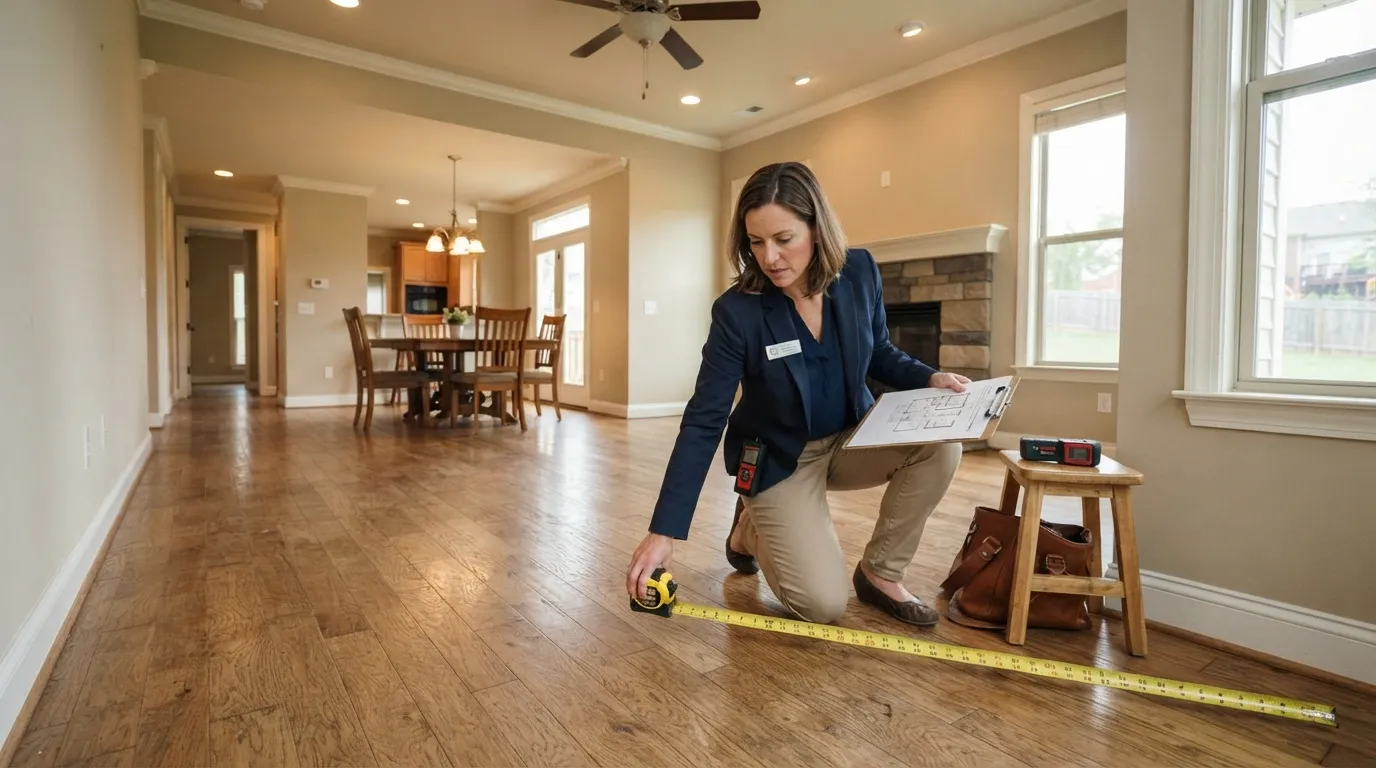
The square footage in your listing is only a claim until the appraiser measures it. Appraisers typically use a laser device or tape to measure the building’s perimeter.
One appraisal firm says both Fannie Mae and Freddie Mac require the ANSI Z765-2021 measuring standard for single-family residential loans. Under that standard, finished space needs a minimum 7-foot ceiling height to count as living area.
That’s why some finished basements and attics don’t add up the way owners expect. In one firm’s example, a listing of 2,400 square feet measured 1,900.
Appraisers must measure independently and note discrepancies, and a gap like that hits value directly. Unpermitted additions can actually lower a home’s value instead of raising it, and converted garages and awkward additions get noted too.
By The Numbers: A typical 1,500-square-foot ranch takes about 30 minutes to measure. Larger multi-level homes with additions take longer.
Every item so far feeds one score, and that score matters more than all of them.
#1 – The Rating That Picks Your Comparables

Everything on this list feeds one score, and that score decides which homes yours is compared to. The appraiser rates overall condition, interior and exterior, from C1 to C6.
Moving from C4 to C3 changes which comparable sales get selected. A C3 home is compared against well-maintained homes that typically sold for more.
Drop one rating level and you may be looking at thousands of dollars in lost value, according to one industry source. Ratings are absolute, so a C3 home stays a C3 even if every neighbor is a C2.
The rating doesn’t automatically determine value, but it strongly influences which homes your property is measured against. A C6 home must be appraised subject to repairs before Fannie Mae will buy the loan.
Try This: Look at your house the way a stranger would: stains, rot, worn floors, dead systems. Keep permits and invoices handy, because they are evidence.
The rating is a judgment made after the full visit, but the early impressions point it in a direction.
The Bottom Line
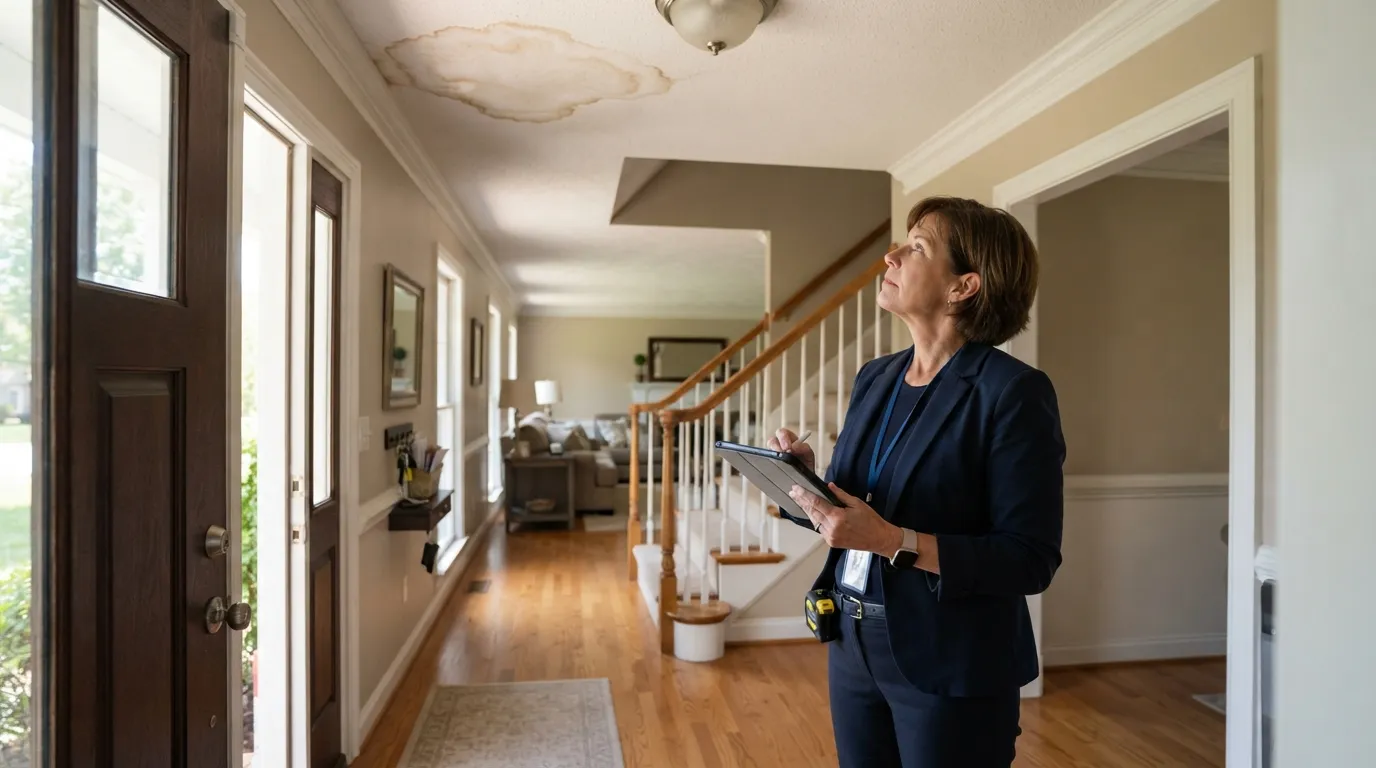
A full inspection covers every accessible area, so the first minutes won’t set your number on their own. But the roof, the stains, the smell, the floors and the layout all nudge the appraiser toward a condition rating.
That rating steers which comparable sales matter, and those sales steer the final figure.
The most surprising part is how small the triggers can be. A spotless house can still lose ground over a missing handrail, a layout quirk or a stain from a leak fixed years ago.