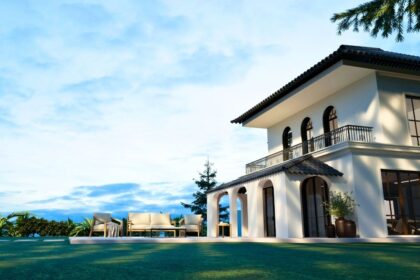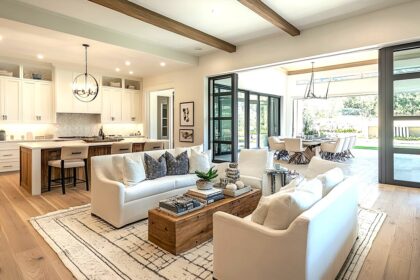


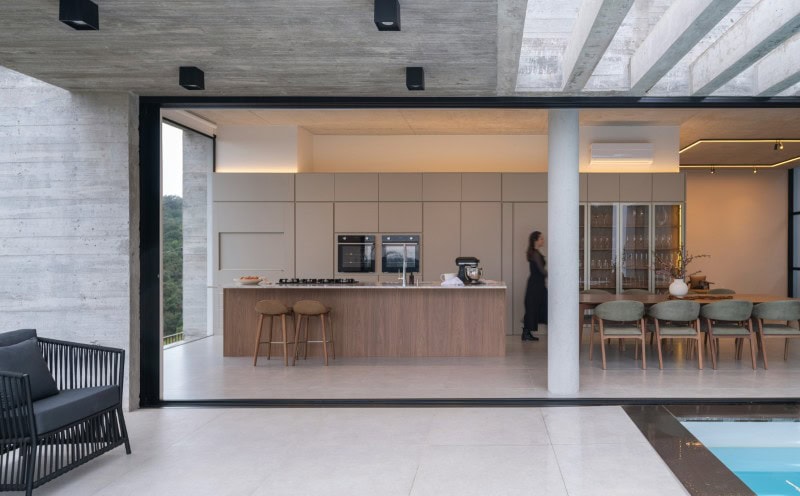
Modern homes are becoming more personal, practical, and comfortable than ever.
Instead of following one strict design style, homeowners are choosing ideas that make their spaces look beautiful while also making everyday life easier.
From warmer colors to flexible layouts, these trends are shaping how modern living spaces are designed and experienced.
1. Warm and Natural Color Palettes
Cool grey interiors are slowly giving way to warmer tones such as beige, sand, cream, terracotta, and soft brown.
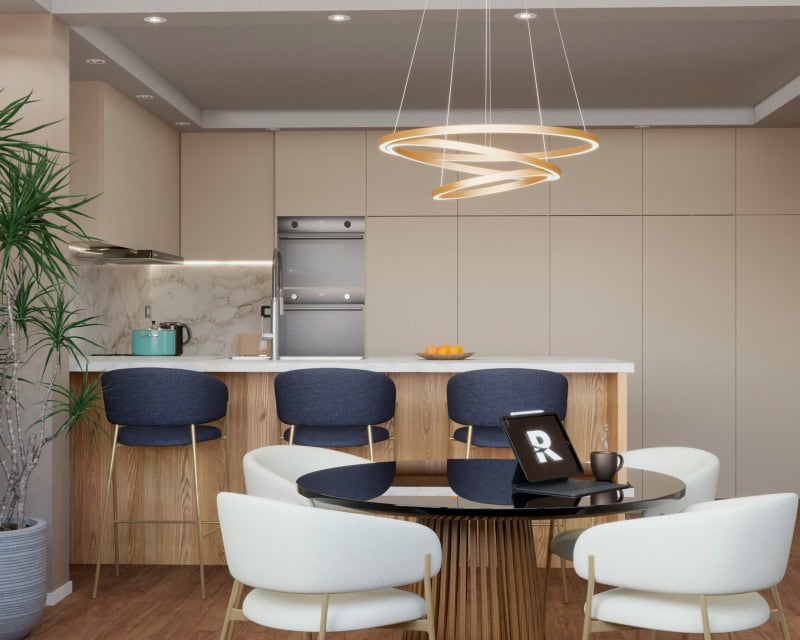
These colors create a more inviting atmosphere and work well with wood, stone, and natural fabrics. A warm palette can also make a room feel calmer without making it look dull.
For homeowners who want a modern but comfortable interior, neutral colors with warm undertones are becoming a popular starting point.
2. Natural Materials Are Taking Center Stage
Wood, stone, linen, rattan, and clay are appearing more often in modern interiors.
These materials bring texture and character into a space. Texture simply means the way a surface looks and feels, such as the rough surface of stone or the softness of linen.
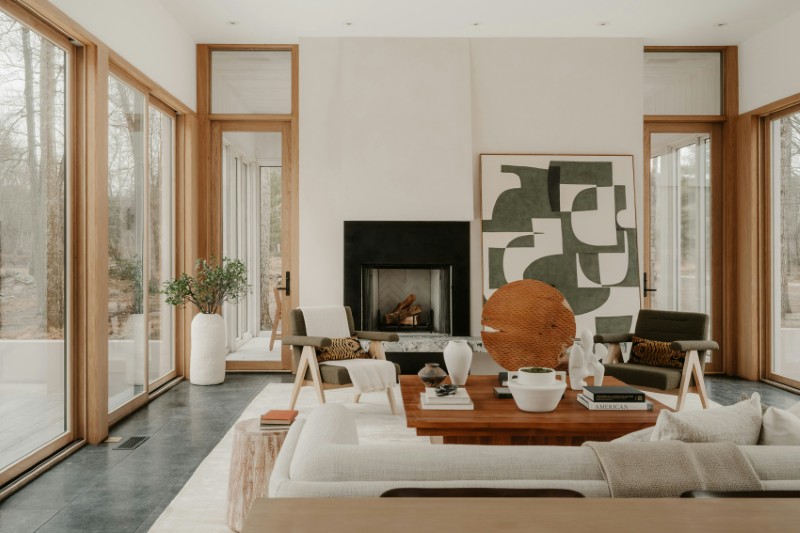
Natural materials also help create a connection between indoor spaces and the outdoors, making homes feel more relaxed and balanced.
3. Flexible Rooms for Modern Lifestyles
Homes are now expected to support many activities, from working and relaxing to exercising and entertaining.
As a result, flexible spaces are becoming more important. A spare bedroom may double as an office, while a dining area may also serve as a workspace during the day.
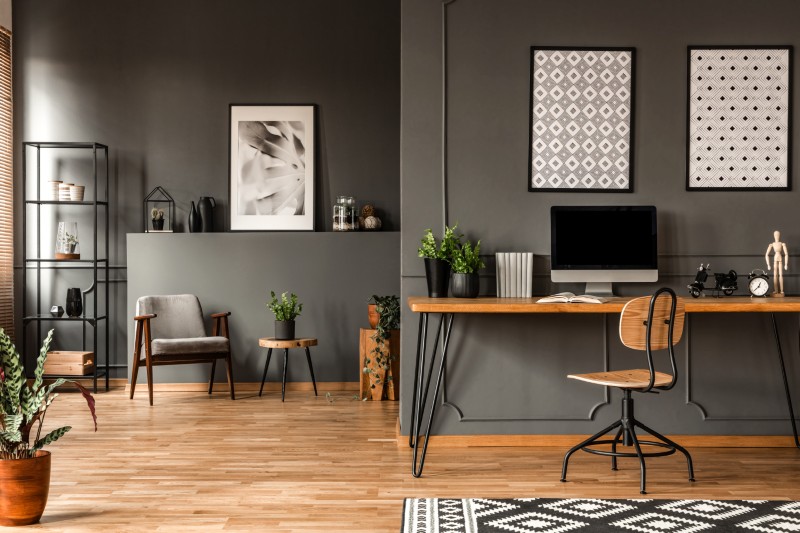
Furniture that can be moved, folded, or used in different ways makes these rooms easier to adapt.
4. Curved Furniture and Softer Shapes
Sharp corners are being replaced by softer and more rounded forms.
Curved sofas, circular coffee tables, arched doorways, and rounded chairs can make interiors feel less rigid. Rigid means stiff or overly structured.
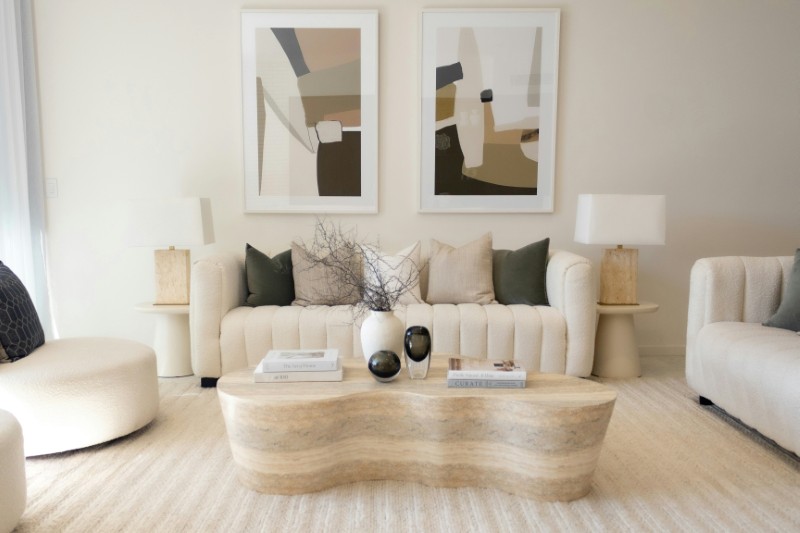
These shapes also add visual interest without requiring bold colors or heavy decoration.
5. Smarter Use of Technology
Technology is becoming more integrated into home design instead of being treated as a separate feature.
Lighting, temperature controls, security systems, and entertainment devices can now be managed more easily through connected systems.
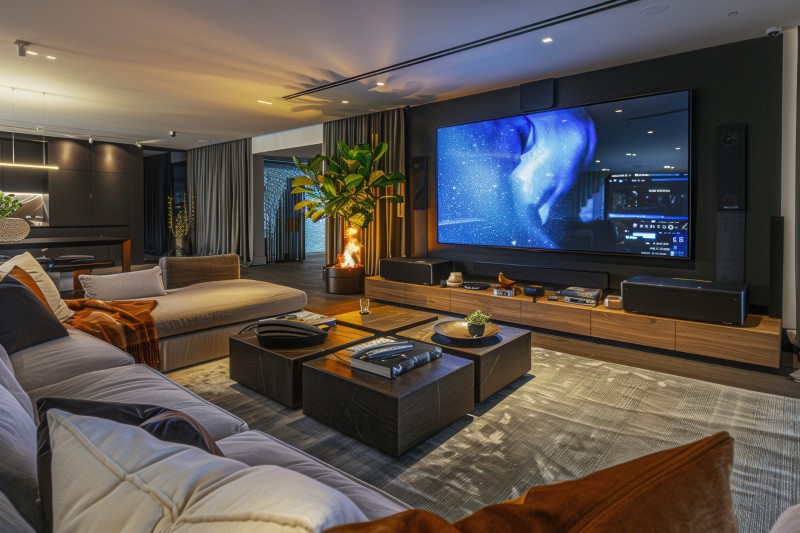
Digital tools are also influencing how people research design ideas and plan interiors.
For example, users exploring AI-based platforms may also come across tools such as chatgpt zero when reviewing digital content, showing how technology is becoming part of everyday decision-making across many areas, including home inspiration and planning.
The key is to use technology in a way that supports the space without making the room feel dominated by devices.
6. Layered Lighting for Better Atmosphere
One ceiling light is no longer considered enough for a well-designed room.
Modern interiors often use layered lighting, which means combining different types of light for different purposes.
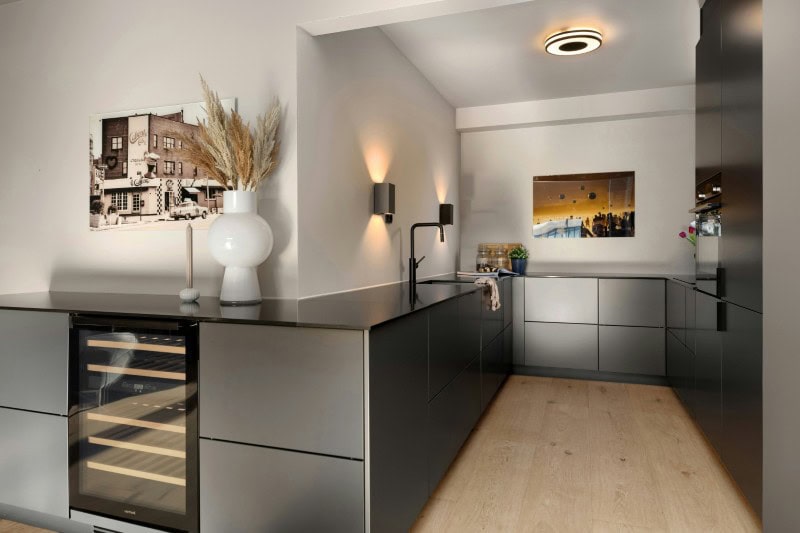
This can include:
- Ceiling lights for general brightness
- Floor and table lamps for softer lighting
- Task lights for reading or working
- Decorative lights for visual interest
Good lighting can make colors, furniture, and materials look more attractive while also improving how comfortable a room feels.
7. Personalized Interiors Over Perfect Showrooms
Modern homeowners are moving away from interiors that look too perfect or impersonal.
Instead, they are adding artwork, books, family items, travel pieces, and custom furniture to make their homes feel unique.
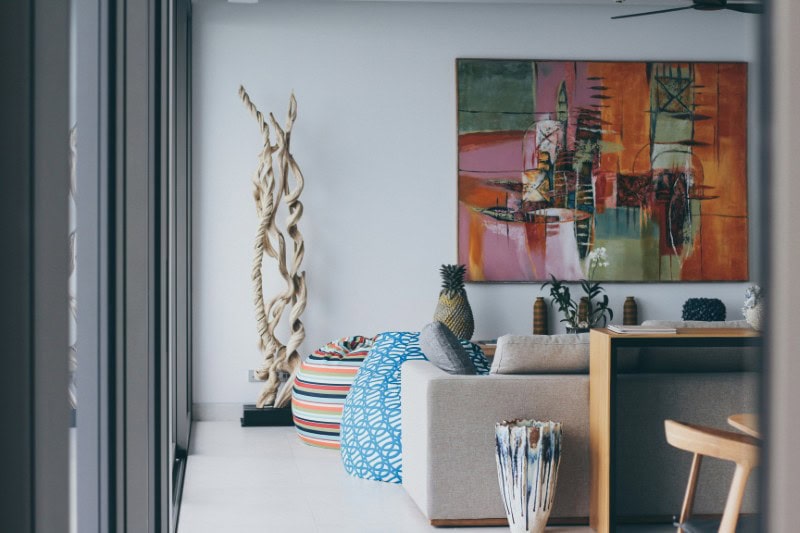
This approach creates authenticity, meaning a space feels genuine and connected to the people living in it.
A home does not need to look like a showroom to feel stylish. In many cases, small personal details can make a room more memorable.
8. Built-In Storage and Cleaner Spaces
Storage is becoming a major part of modern home design.
Built-in cabinets, hidden drawers, wall storage, and fitted shelving help reduce visible clutter while keeping everyday items easy to reach.
This supports a more streamlined interior, meaning the space looks clean, simple, and well organized.
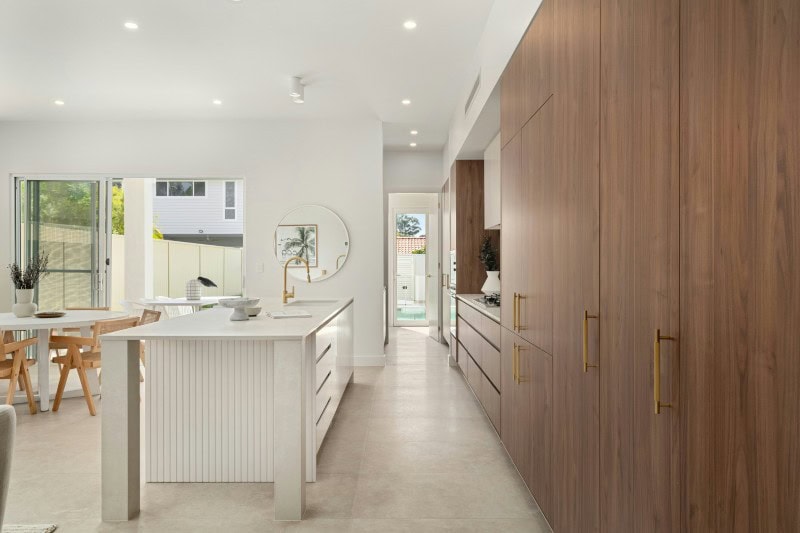
Homeowners planning renovations may find that investing in better storage can improve both the appearance and usefulness of a room.
9. Indoor-Outdoor Connections
Designers are finding more ways to connect indoor spaces with gardens, patios, balconies, and terraces.
Large windows, glass doors, natural materials, and similar color schemes can help create a smooth transition between inside and outside.
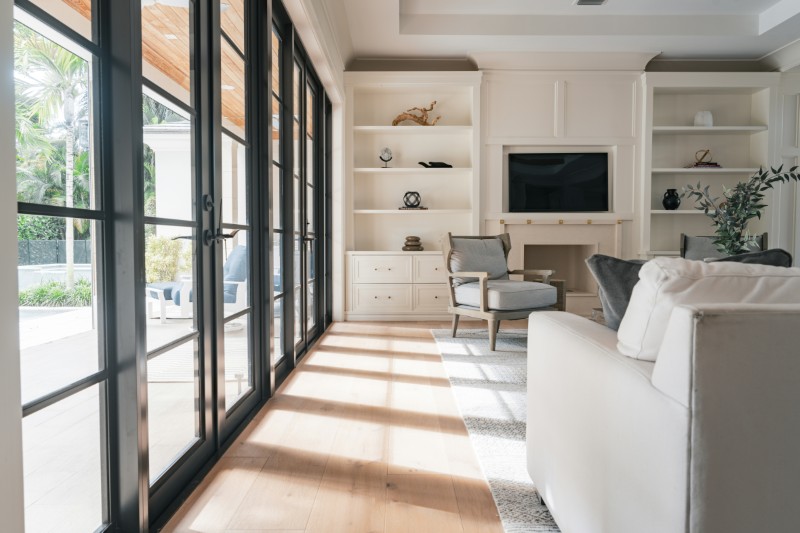
Even smaller homes can use indoor plants, natural light, and outdoor-inspired materials to create this feeling.
To sum things up
Modern home design is becoming less about following strict trends and more about creating spaces that feel comfortable, flexible, and personal.
Warm colors, natural materials, better lighting, smarter storage, and thoughtful technology are all helping homeowners build interiors that work for real life.
Anyone planning a renovation or simple refresh should focus on the ideas that fit their lifestyle rather than copying every new trend.
Start with one or two practical changes, choose materials and features that will remain useful over time, and build a home that feels both stylish and genuinely enjoyable to live in.
More stories
14 signs a house was remodeled for Instagram, not life
12 things homes used to be designed around that barely matter now
20 design mistakes that instantly make a home feel cheaper than it is