

Trends move fast.
One year it’s all-gray everything. The next, it’s fluted panels and mushroom-colored walls.
But some renovation decisions don’t date themselves in five years. They wear in, not out. They look better after a decade of sunlight, scuffs, and daily life.
If the goal is longevity — not just resale buzz — these are the upgrades that consistently hold up.
Like Fancy Pants Homes’ content? Be sure to follow us on MSN
Solid hardwood floors (not engineered lookalikes)
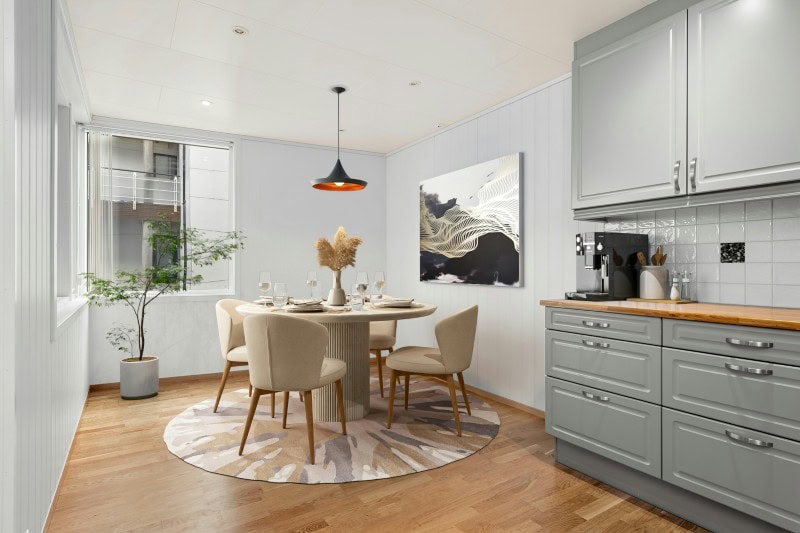
Solid oak, maple, or walnut floors can be sanded and refinished multiple times over decades. That alone makes them different from most modern flooring products.
A natural or lightly stained white oak floor develops character over time. Minor scratches blend into the grain instead of announcing themselves. Glossy, dark-stained floors, on the other hand, show every speck of dust and every scuff.
Matte or satin finishes age far better than high-gloss polyurethane.
Real stone countertops (that aren’t trendy colors)
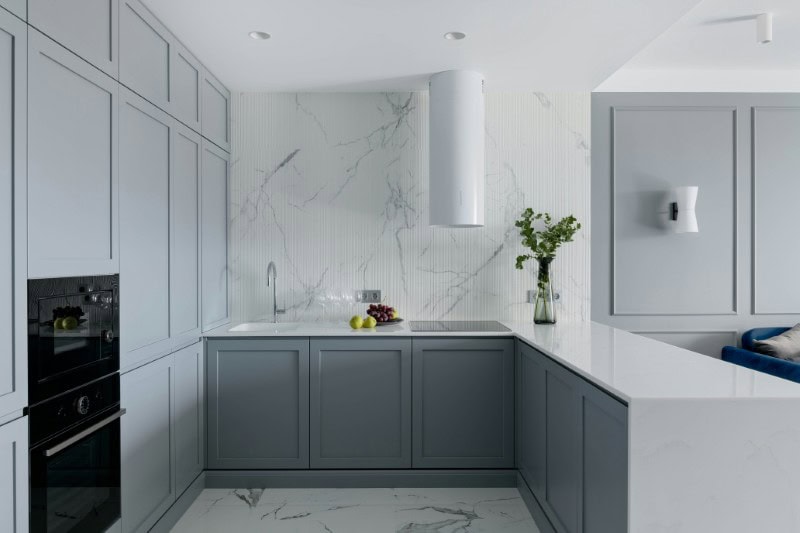
Honed marble, soapstone, and quartzite develop patina. That’s part of the appeal.
A Carrara marble countertop will etch slightly over time — but in a soft, lived-in way. Soapstone darkens and can be oiled to refresh its tone. Quartzite offers durability with natural veining that doesn’t scream “2024 trend.”
Highly patterned, overly dramatic slabs often date a kitchen faster than simple, restrained stone.
Full-height kitchen cabinetry
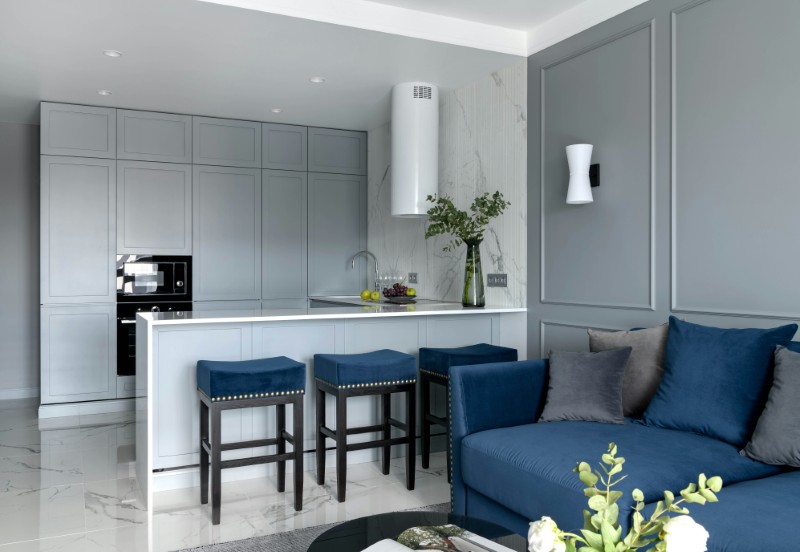
Cabinets that stop awkwardly short of the ceiling create dust-collecting gaps and visual clutter.
Taking cabinetry all the way up creates clean vertical lines and maximizes storage. Even in traditional kitchens, this detail makes the space feel intentional rather than builder-grade.
Inset cabinet fronts
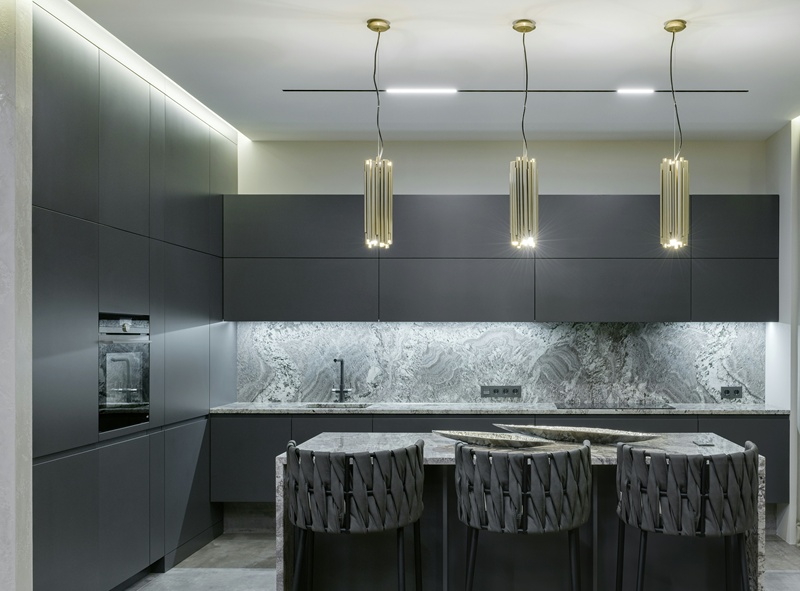
Inset cabinetry — where doors sit flush inside the frame — has been used for centuries.
It costs more because it requires precision. But it also avoids the “slab-front of the moment” issue that makes some kitchens feel locked to a specific decade.
Shaker-style inset cabinets in neutral tones age especially well.
Unlacquered brass hardware
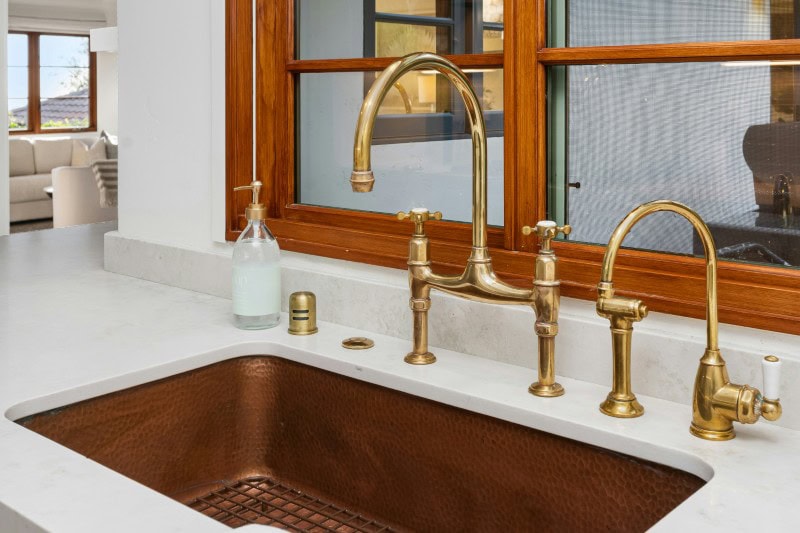
Unlike coated finishes, unlacquered brass darkens naturally.
Fingerprints and water spots blend into the finish instead of ruining it. Over time, it softens and gains depth. Compare that to trendy matte black hardware, which often chips and reveals metal underneath.
Living finishes age with the house.
Classic subway tile
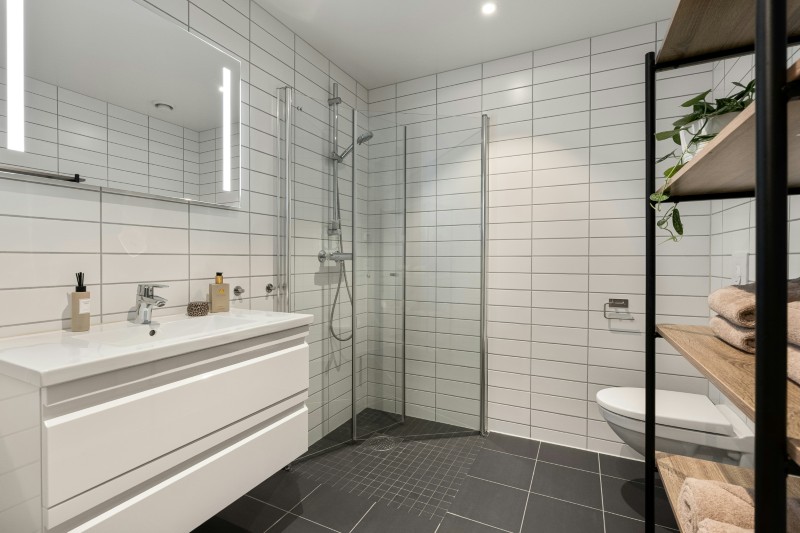
The 3×6 white subway tile has been used since the early 1900s. It’s still around for a reason.
The key is proportion and restraint. Simple white tile, neutral grout, and classic layouts (brick or stacked) age far better than oversized novelty versions or high-contrast grout meant to trend.
Built-in bookshelves
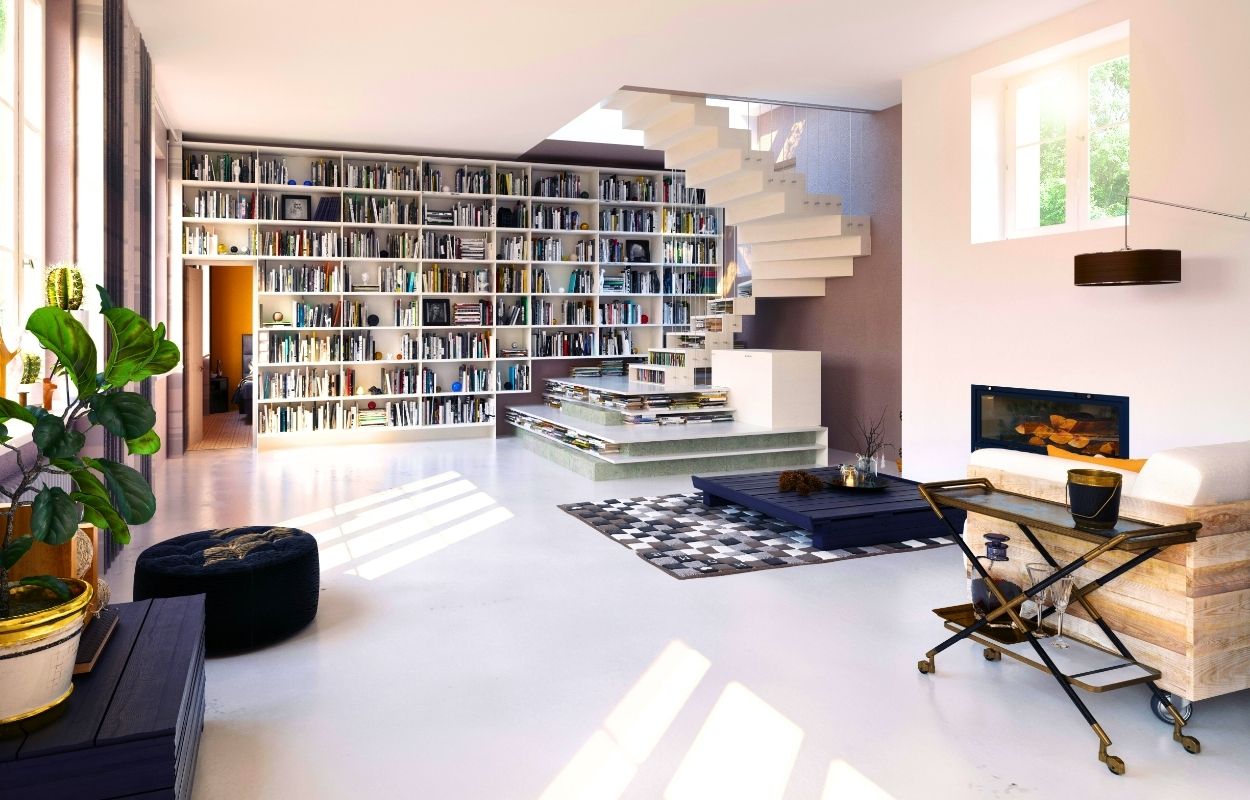
Built-ins create architecture where none existed.
When they’re scaled properly and painted to match the room, they feel permanent. Adjustable shelves, integrated lighting, and solid wood construction ensure they function as well as they look.
Freestanding “statement shelving” often dates much faster.
Natural stone tile in bathrooms
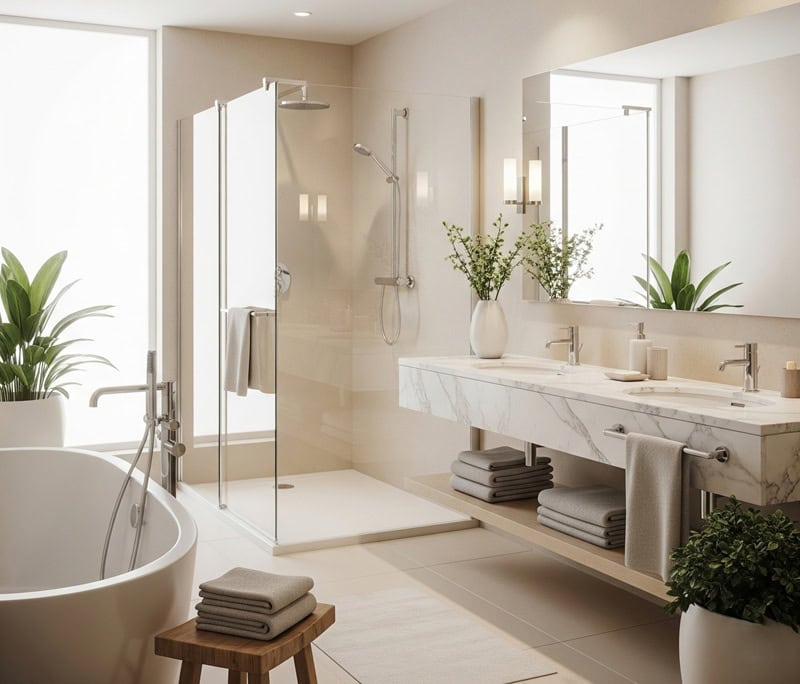
Marble, limestone, and travertine have been used in bathrooms for centuries.
Small-format stone tile on floors or walls feels grounded and timeless. Trend-heavy geometric cement tiles or overly bold patterns often mark a specific renovation year.
Neutral stone, properly sealed, ages gracefully.
Paneled interior doors
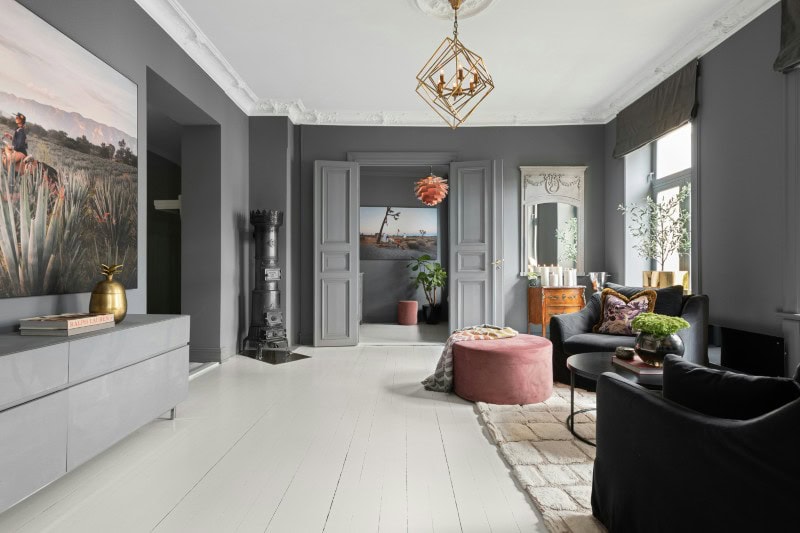
Flat hollow-core doors are often a cost-saving move.
Solid, paneled doors — especially five-panel or two-panel designs — have been standard in well-built homes for generations. They add depth and shadow lines that plain slabs don’t.
Proper trim and millwork
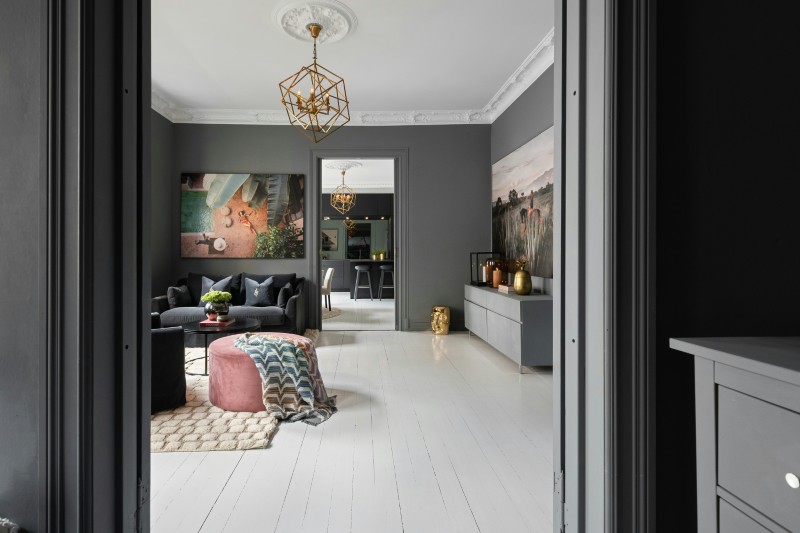
Thicker baseboards. Defined window casings. Crown molding with proportion.
Even in modern homes, scaled millwork gives a sense of permanence. Skinny trim often feels like a cost-cutting compromise that shows up years later.
A neutral, warm paint palette
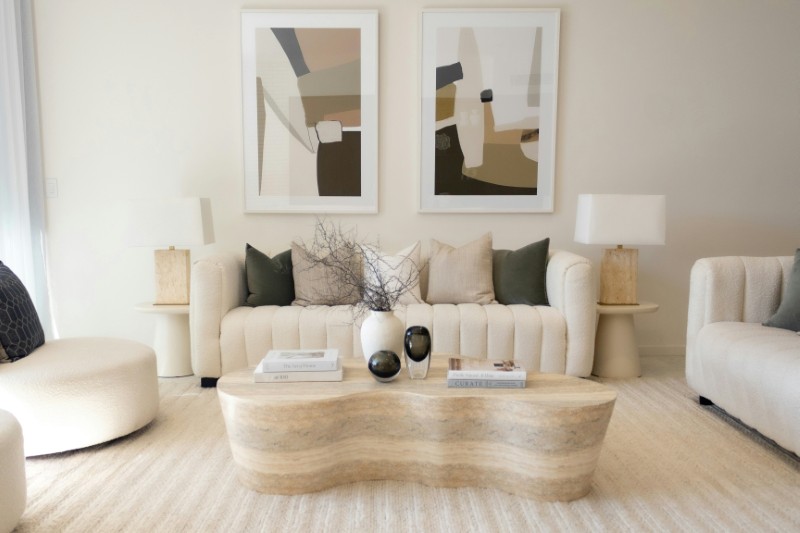
Warm whites, soft creams, and gentle greiges adapt as furniture changes.
Highly specific colors — avocado green, millennial pink, deep charcoal in every room — can look dated when trends shift. Neutral doesn’t mean boring. It means flexible.
Wood-framed windows (or quality-clad alternatives)
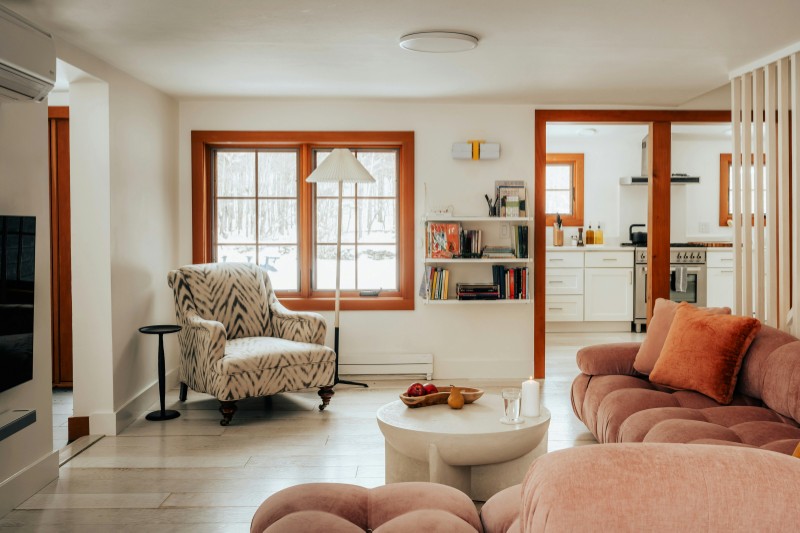
Wood windows add warmth and dimension.
Even when aluminum-clad on the exterior for durability, wood interiors age more gracefully than all-vinyl units. Divided lights and proper proportions also matter more than trendy frame colors.
Traditionally-shaped plumbing fixtures
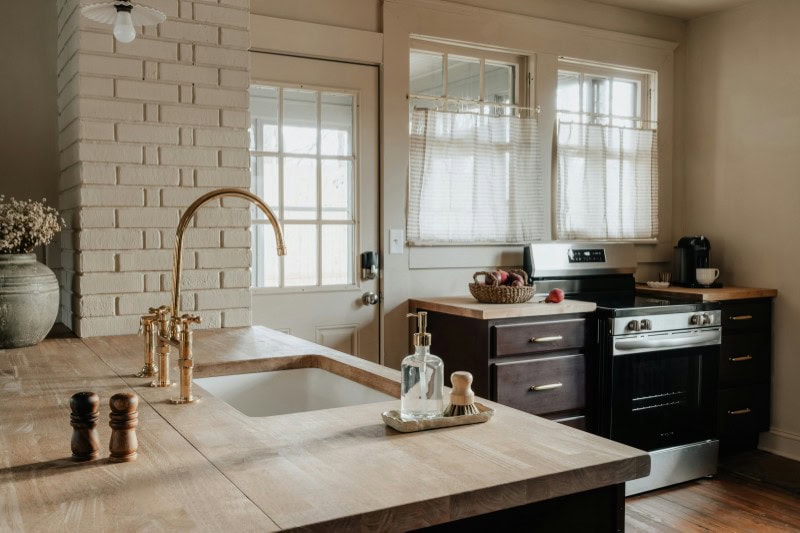
Bridge faucets, simple widespread taps, and traditional silhouettes rarely date themselves.
Ultra-angular, hyper-modern fixtures can look futuristic at install — and outdated a few years later.
Chrome, polished nickel, and unlacquered brass consistently hold up.
Real wood kitchen islands
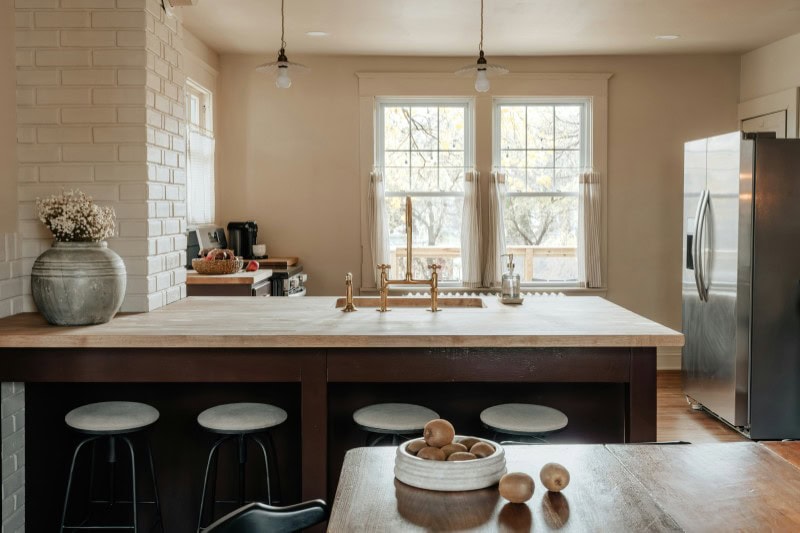
A wood island base or butcher block top introduces contrast without trendiness and truly revamps a kitchen.
Painted novelty colors often feel tied to a specific moment. Natural wood develops wear in a way that looks intentional.
Functional mudrooms and built-in storage
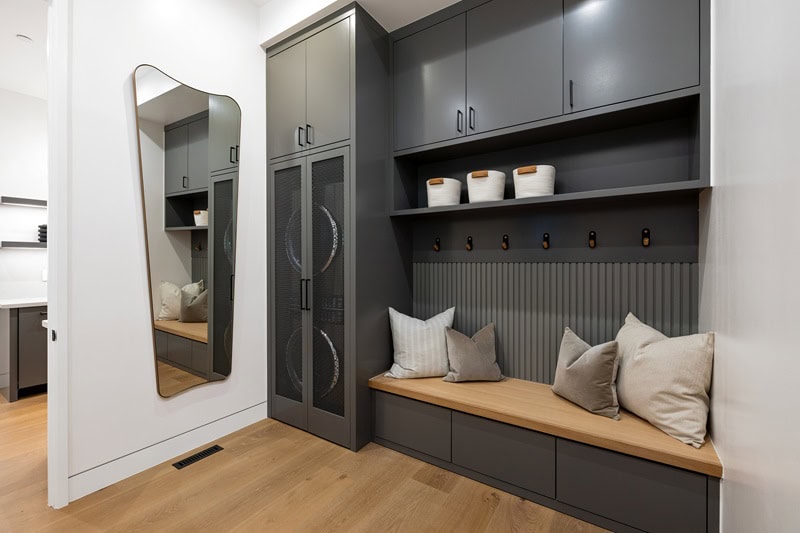
A well-designed mudroom solves everyday chaos.
Hooks at the right height. Closed cabinetry for clutter. Durable flooring like slate or brick. These upgrades improve daily life and rarely go out of style.
Function tends to age much better than decorative statements.
More stories
18 things tasteful homes always get right
15 renovation shortcuts designers can spot instantly
20 design mistakes that instantly make a home feel cheaper than it is