

The appraiser hasn’t knocked yet, and your house is already being graded. From the driveway, the exterior gets looked over, photographed and rated, and a neglected outside primes the appraiser to read every room that follows more critically.
These 13 details are the ones that get priced in before anyone sees your kitchen. Some are cheap weekend fixes, a couple can hold up a closing, and the last one is a rule that lets a single outside flaw set the rating for the whole house. The first is the cheapest on the list, and it’s sitting in your yard right now.
#13 – An Overgrown Yard and Dead Trees
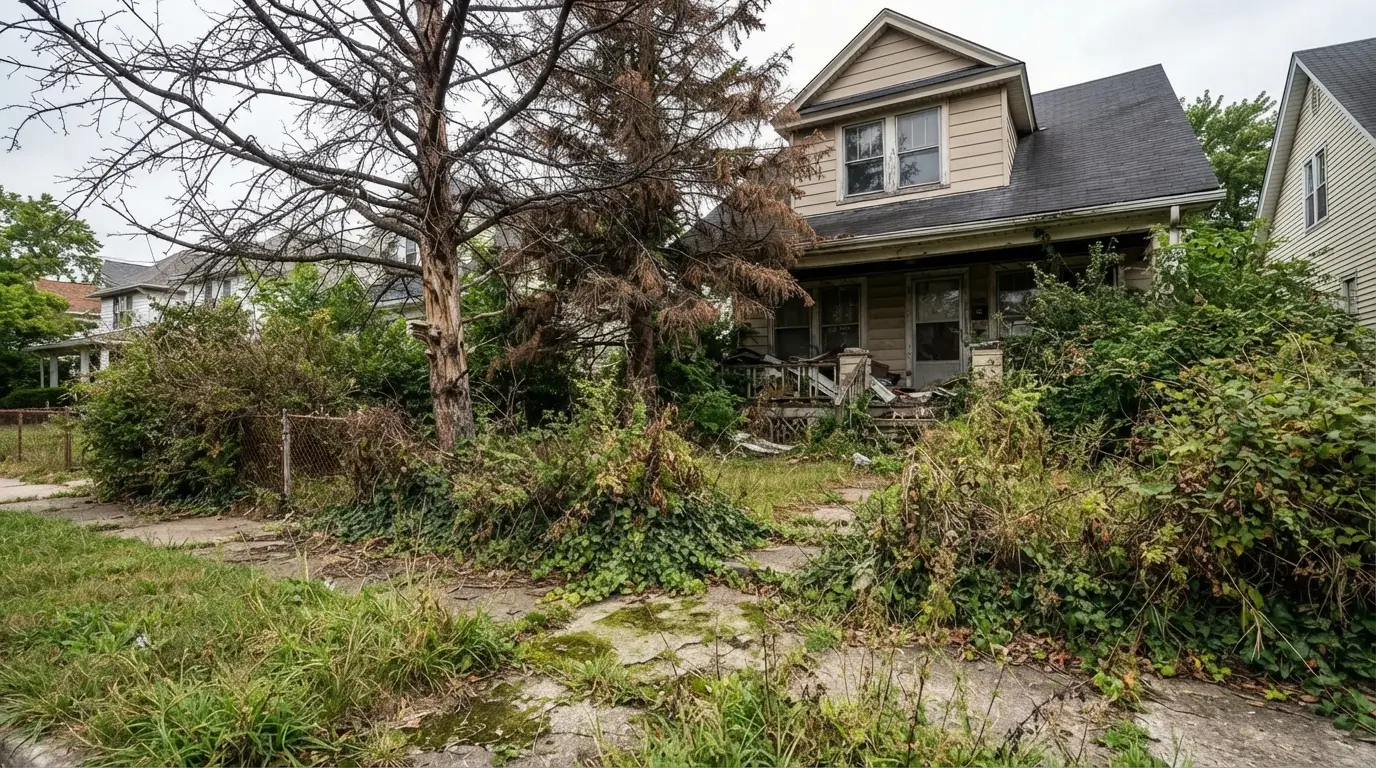
Your yard is the first thing in view from the street, and neglect there costs more than effort does. Appraisal guidance describes dead trees and overgrown plantings as hurting the first impression, while new landscaping improves it only minimally.
The damage comes from what an unkempt yard suggests about the rest of the property. A yard that says no one has been paying attention invites questions that a tidy one never raises.
So skip the new flower beds. Cut back and haul away rather than plant something new, because removal reads as care while fresh mulch around a dying shrub reads as a cover-up.
The Psychology Behind This: First impressions anchor what follows. A tidy exterior supports a higher condition tier before the appraiser steps inside, so the yard shapes how the rest of the visit is read.
Yard work costs a weekend. The roofline job costs less, but it hides something the appraiser wants to see.
#12 – Gutters Clogged Enough to Hide the Fascia
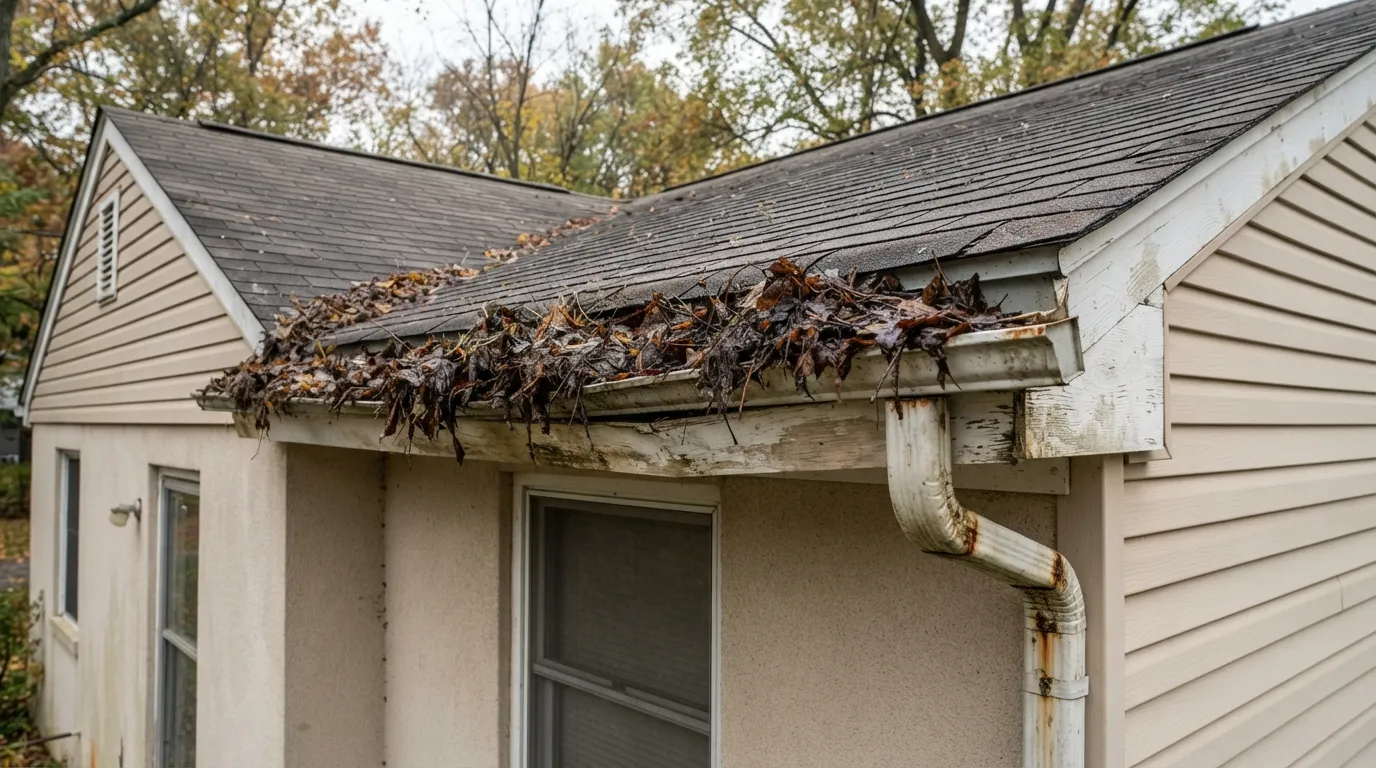
Gutters earn a place in the appraiser’s notes, along with exterior paint, walls, screens, and any rotting or bare wood. The reason has little to do with looks, because a full gutter sends water over the edge and onto the board behind it.
That board is the fascia, and one appraiser’s published advice is to clear the gutters so the condition of the fascia can be seen. If leaves and debris cover it, you’ve left the appraiser to guess, and a guess rarely favors the owner.
Pick a dry day and scoop out the debris. Check that every downspout is attached and empties away from the wall, and clear gutters so the fascia behind them is visible.
Replace any section that sags or has pulled loose, since a drooping run tells the same story as a clogged one. It’s a small repair that stops being small once the board behind it softens.
The Science Behind This: Water follows the easiest path. An overflowing gutter lets it run down the fascia and siding and soak the soil beside the foundation, which is why a clogged gutter and a damp foundation edge often turn up together.
Water that leaves the roofline lands somewhere, and the driveway is the long surface it meets first. What the appraiser records about that surface is more specific than you’d guess.
#11 – A Driveway With Cracks or Upheaval
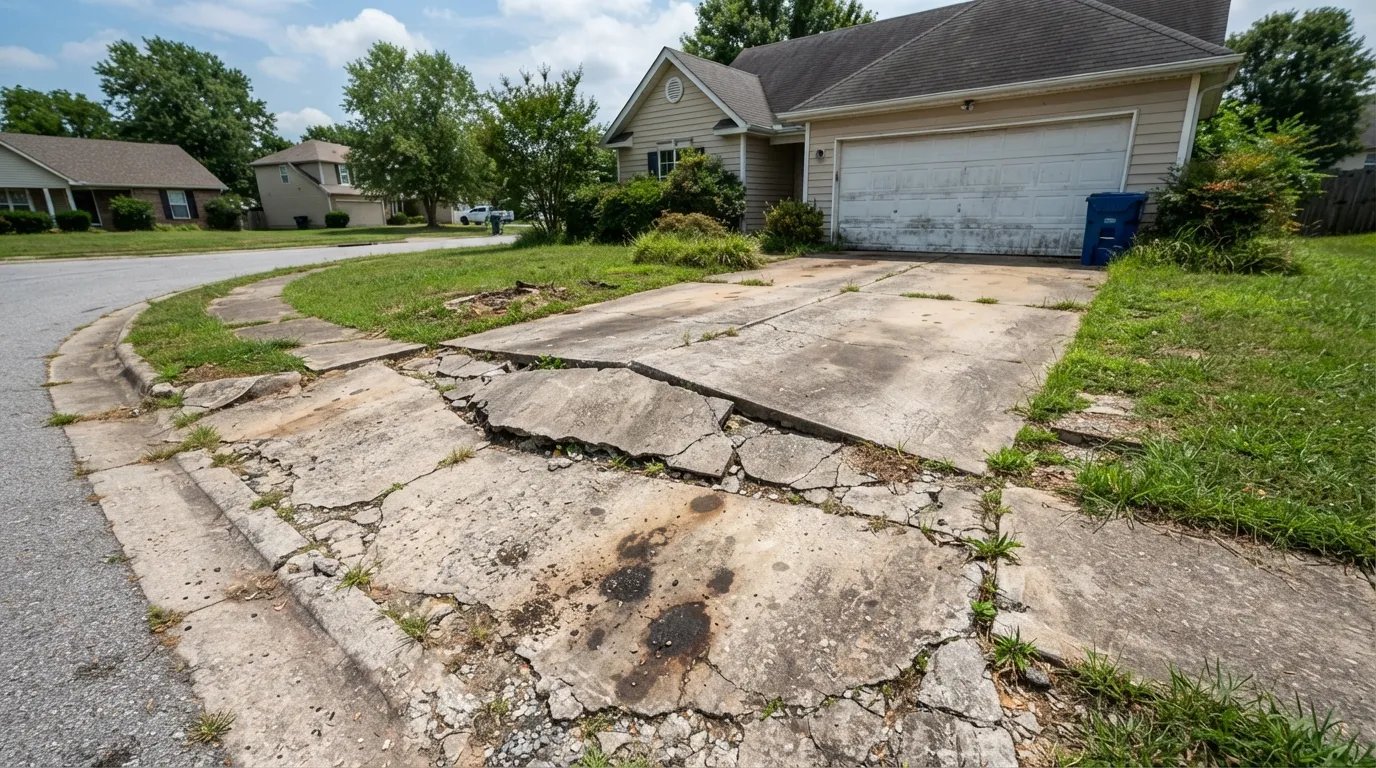
Appraisers note the driveway surface, significant cracking or upheaval, and these affect both curb appeal and the functional utility rating. A hairline crack is cosmetic, while a slab that has heaved or crumbled earns a different kind of entry.
Utility is the part owners overlook. The appraiser also documents the garage type and condition, and whether the driveway can fit the number of cars claimed.
That means a listing that promises parking for three should be able to deliver it. Measure the parking area before your listing claims a car count, then fix what the tape shows.
Seal narrow cracks and scrub off oil stains, since driveway cracks and stains are on the standard list of exterior features appraisers assess. Get a quote on any section that has lifted, because heaving rarely stays put.
Fast Facts
- The surface is noted, including significant cracking or upheaval
- Both curb appeal and functional utility are affected
- Garage type and condition are documented alongside it
- The parking space should match the car count you claim
From the driveway, the appraiser follows the path your guests take. A loose paver or crumbling step gets noted along the way.
#10 – Walkways and Front Steps Underfoot
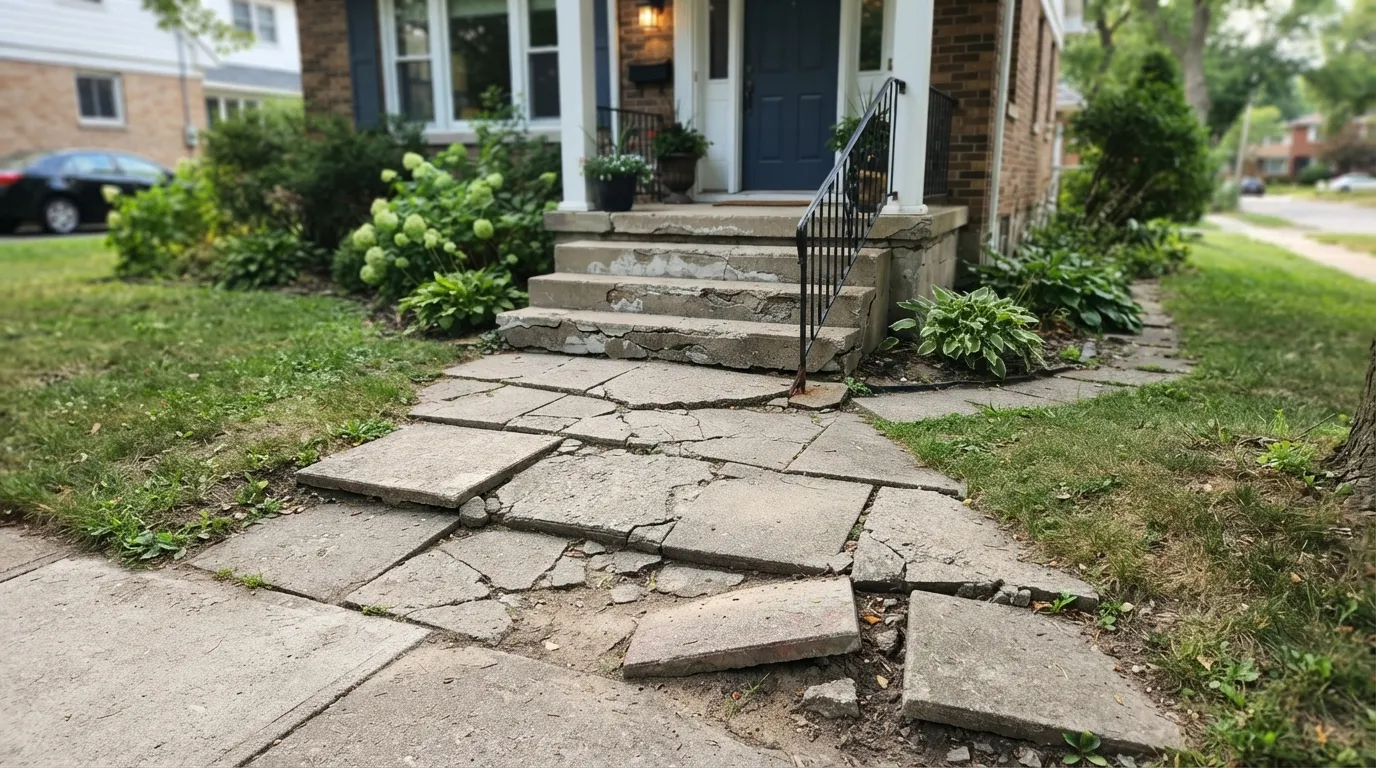
A rocking paver or a crumbling step is easy to spot at walking pace, which is the pace an appraiser uses between the car and your door. Appraisers record the condition of walkways and exterior steps as part of the same exterior pass.
Safety gives the entry more weight. For FHA-insured loans, steps, porches and decks must be stable and have secure handrails if required for safety, so a wobbly step can matter to more than the notes.
Mortar cracks, heaved pavers and spalled concrete are the repairs to price first. A reset paver costs far less than a replaced walk, and a patched step costs less than a lender’s repair demand.
If your route to the door has more than one problem, fix the one a person could trip on before the one that merely looks worn. That order matches how the standards are written.
Try This: Walk your route from curb to door and push on every railing and step edge. Anything that rocks, wobbles or crumbles under your hand belongs on a repair list before the appraiser arrives.
Wooden steps and porch boards bring a separate problem. Bare or rotting wood gets its own line in the appraiser’s notes.
#9 – Bare Wood and Damaged Trim
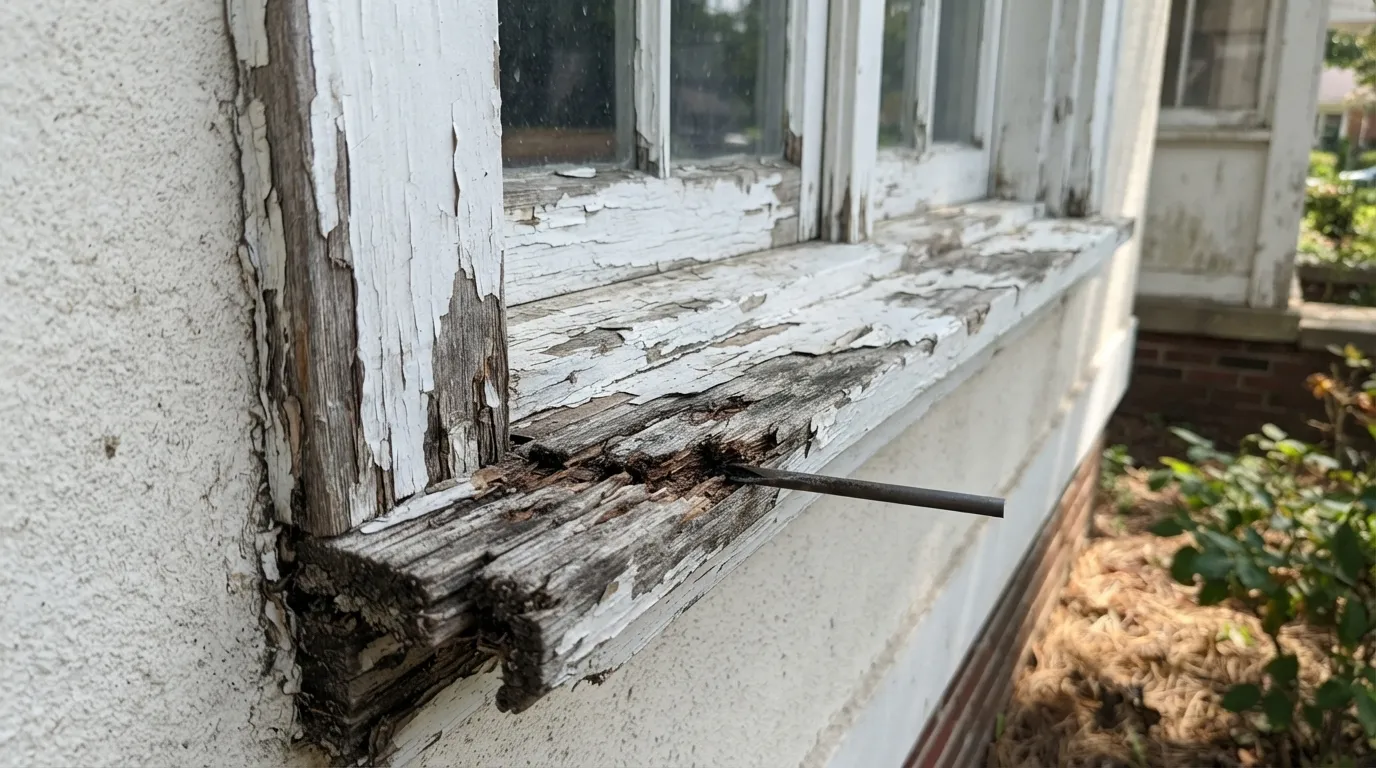
A strip of bare wood on a window sill is small enough to ignore and specific enough to be written down. Appraisers look at exterior paint and walls and check for rotting or bare wood.
The paint itself has two jobs. Fresh paint adds curb appeal, while peeling paint is noted as a repair requirement.
Wood without paint takes on moisture, and rot follows. FHA’s standards ask for exterior walls and siding that are weather-tight, with no severe peeling paint or damage that could expose the home to the elements.
Press a screwdriver tip into sills, door frames and the lowest trim boards. Soft wood means rot, and rot has to be cut out before painting, because paint over a bad board only hides the problem from a casual look.
Replace what’s soft, prime the bare spots, and paint the whole run so patches don’t show. Damaged trim is named in the exterior section of the appraisal form, and overgrown landscaping, a cracked driveway, peeling paint and damaged trim are all noted there.
Quick Compare
- Faded color: minor and cosmetic, and FHA appraisers are told to ignore it
- Peeling paint: noted as a repair requirement
- Bare or rotting wood: written down in the exterior notes
- Severe peeling or exposed damage: conflicts with FHA’s weather-tight standard
#8 – Windows, Screens, and Shutters From the Street
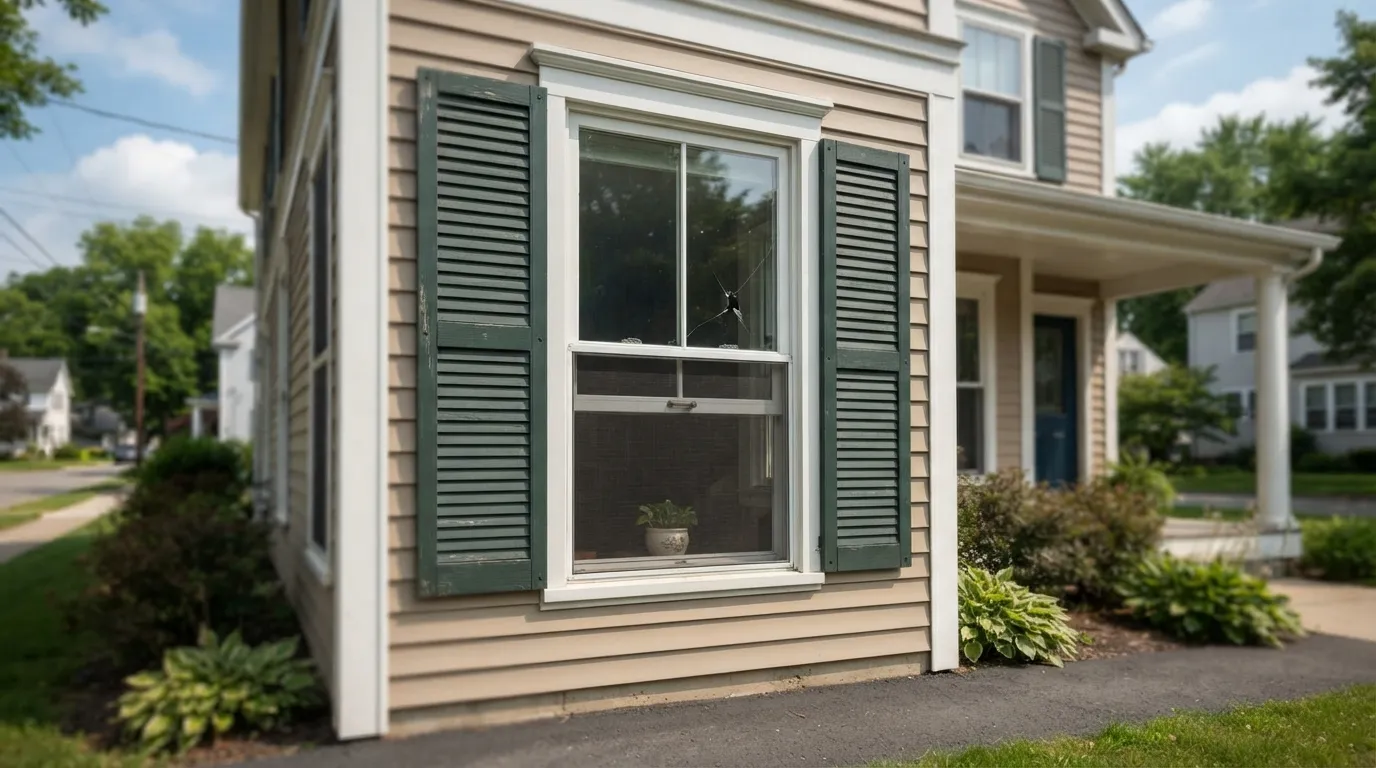
Shutters get the attention, but windows are what the standards care about. The appraiser notes the condition of siding, paint, shutters, doors, and windows from the outside.
For FHA loans the bar is practical. Windows must function and lock, and broken glass must be repaired before closing.
That makes torn screens and cracked panes the quick wins. FHA standards require windows that work and lock, so a window painted shut or a latch that no longer catches is a bigger problem than a faded shutter.
Painting shutters comes last on the list, after the glass, the latches and the screens. A fresh shutter beside a cracked pane just draws the eye to the pane.
Insider Tip: Open, close and lock every window a few days before the appraisal. A sash that sticks or a latch that won’t catch is far easier to fix in advance than to explain on the day.
Windows are one kind of opening. On many homes the largest opening on the front is the garage door, and it has its own place in the appraiser’s report.
#7 – The Garage Door and What It Claims
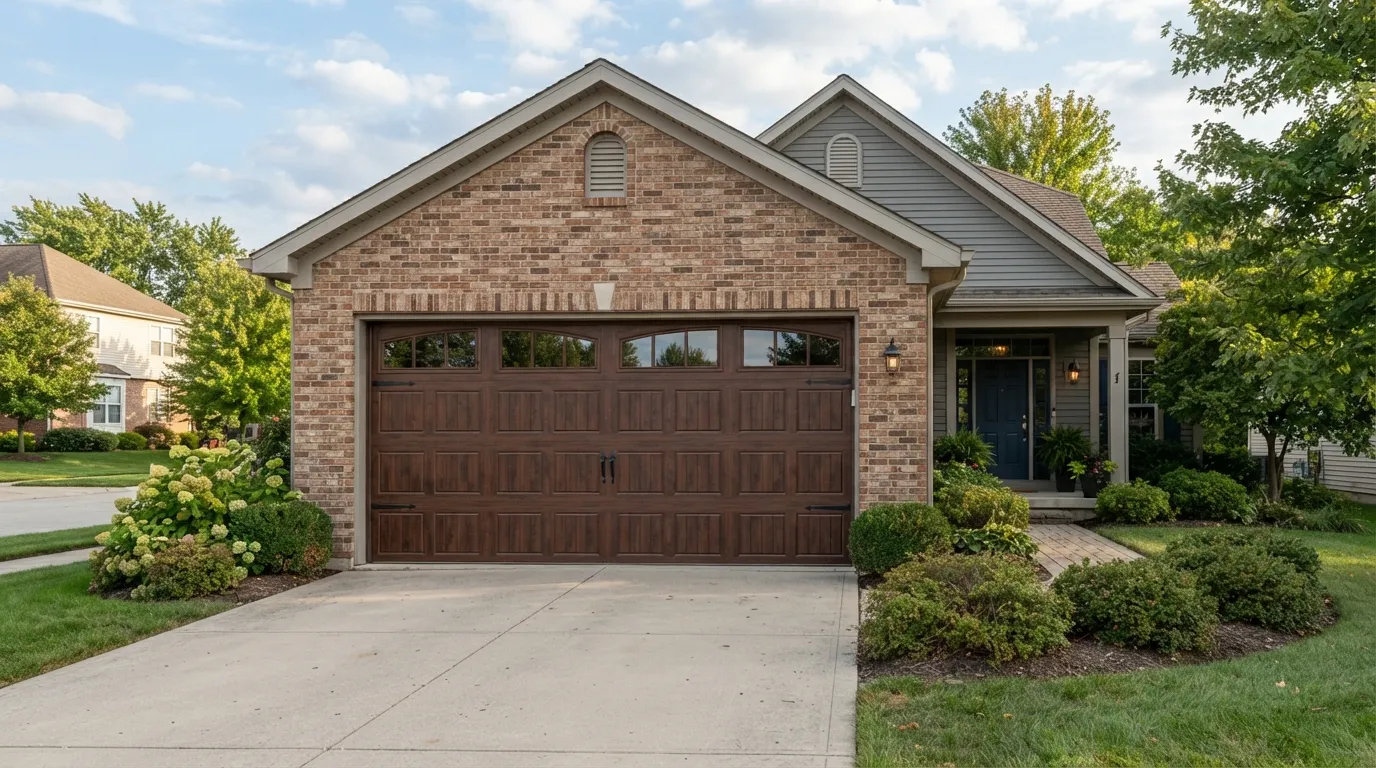
The garage earns two entries in an appraisal report: what kind it is, and what shape it’s in. Appraisers document whether the garage is attached, detached or a carport, along with its condition.
A door in poor shape drags on the whole front, which helps explain why garage doors lead the rankings in Remodeling magazine’s Cost vs. Value report. The report has named garage door replacement its single best-performing project in recent editions, though the percentage returned differs from one edition to the next.
Read those numbers carefully, though. ROI is calculated as resale value added divided by project cost, which is a sale-price measure and not an appraiser’s adjustment.1
My verdict is that a dented door should be repaired or replaced if you’re selling soon, and a working but dated door shouldn’t be replaced for an appraiser’s sake. Repair a dented garage door; replace a working one only for resale.
Did You Know: On many homes the garage door accounts for as much as 30 percent of the front-facing facade, so its condition shapes more of the first impression than almost any other single item.
Beside the garage sits the door your visitors use. Its lock is a line item of its own.
#6 – A Front Door With Failing Locks
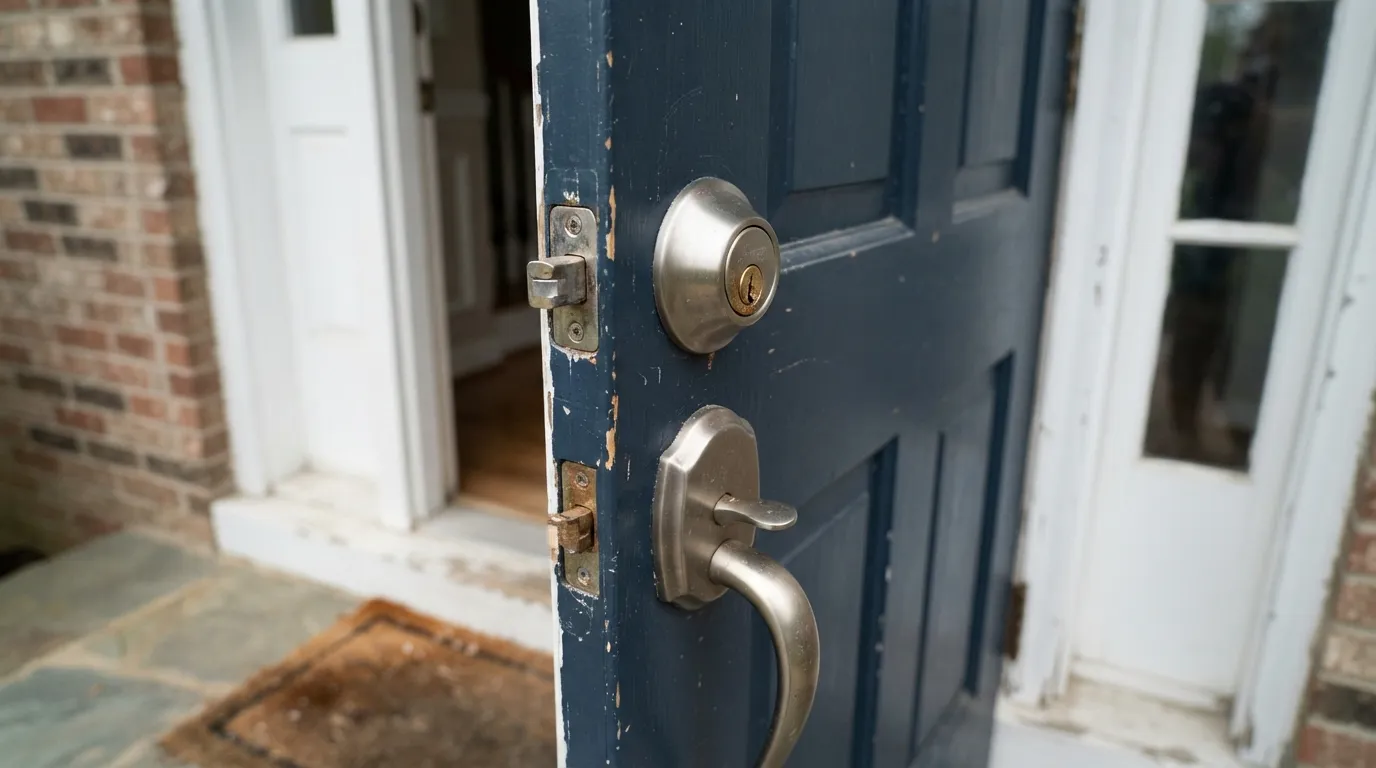
The front door is often the cheapest big upgrade at the entry. In Remodeling magazine’s Cost vs. Value rankings, garage door replacement leads and steel entry door replacement follows.
As with the garage door, those figures describe resale value, so don’t count on a dollar-for-dollar bump from the appraiser. The appraiser’s concern is narrower and more practical.
Under FHA standards, missing exterior doors and broken locks on primary entries are flagged, and exterior doors must be secure. A door that looks fine but won’t latch can therefore cost you more than one that looks tired and works.
Test the deadbolt, check that the door closes flush, and look at the weatherstripping. Replace a failing lockset before you replace the door, because new hardware solves the problem the standards describe at a fraction of the price.
Worth Knowing
- Missing exterior doors and broken locks on primary entries get flagged under FHA standards
- Exterior doors must be secure, not just good-looking
- Cost vs. Value ROI measures resale value, not an appraiser’s adjustment
- A working door with tired paint is a safer bet than a pretty door that won’t latch
An entry that locks still has to be reachable. The way up to it carries a safety rule that can hold up financing.
#5 – Handrails Missing From Porch Steps
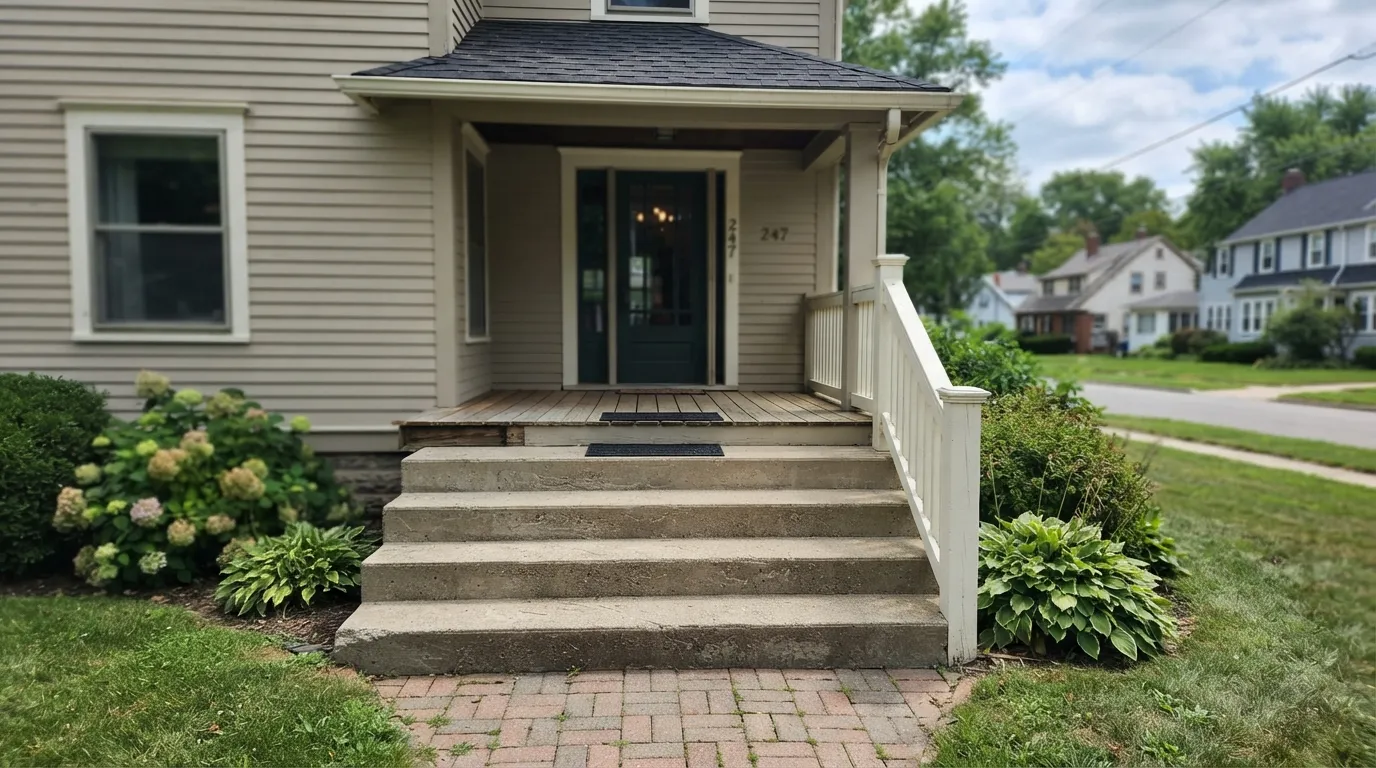
A porch railing can stop a closing. Missing handrails sit on the list of repairs that must be made before closing under FHA rules.
This is the first item on the list that can hold up a loan instead of just influencing the notes. The seller, buyer or a third party can pay for required repairs, but the work still has to be finished.
A conventional appraisal handles it differently. Handrails and guardrails aren’t typically flagged on a conventional appraisal, so the same bare staircase can pass for one buyer and fail for another.
Since you can’t know the buyer’s loan type in advance, treat the railing as a repair rather than a risk. Flagged repairs must be finished before closing.
Why It Works: Repairs flagged by an FHA appraiser must be completed before closing. Install the railing first and there’s nothing to flag, so the repair never turns into a deadline on someone else’s schedule.
#4 – Water Pooling Beside the Foundation
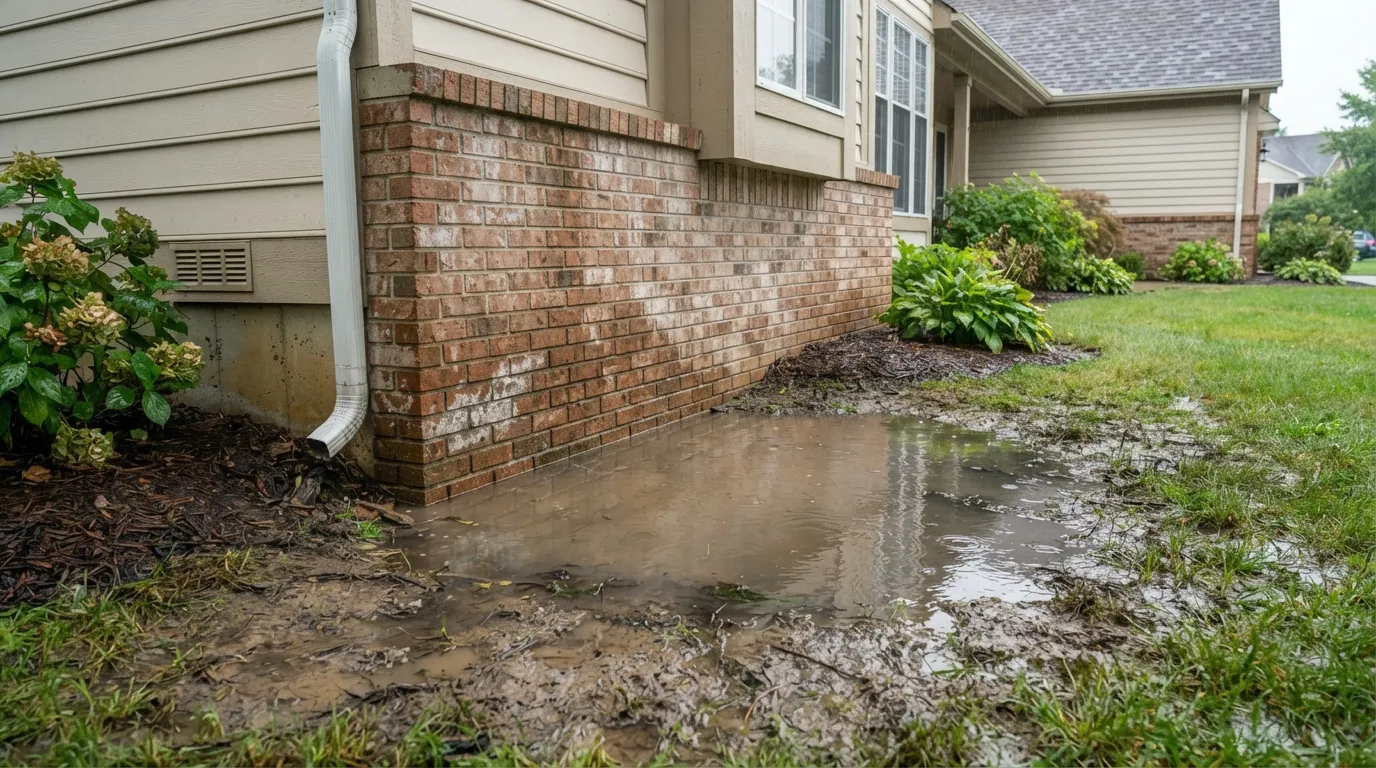
FHA’s standards call for proper grading to prevent water from pooling around the foundation. That’s a yard problem with a house-sized consequence.
The appraiser looks at the base of the house too, and notes the foundation condition, looking for visible cracks, settling, or water damage that suggests structural problems beneath the surface. Pooling water is how many of those marks get started.
This ties straight back to the gutters at #12, since an overflowing or short downspout dumps roof water right beside the wall. Add extensions that carry the water several feet out, and the soil should slope away from the foundation, not toward it.
Low spots near the wall can be filled and graded, and flower beds that trap water against the siding can be reshaped. If you see cracks or staining on the foundation itself, a structural professional is the right call before any listing.
The Science Behind This: Soil that slopes toward a wall sends rain along the foundation instead of away from it. Over seasons the wet soil can settle unevenly and work into small cracks, which is exactly the kind of marking an appraiser looks for.
Water at the foundation usually started on the roof. The roof is one exterior item an appraiser can judge from the sidewalk in seconds.
#3 – Roof Wear Visible From the Sidewalk
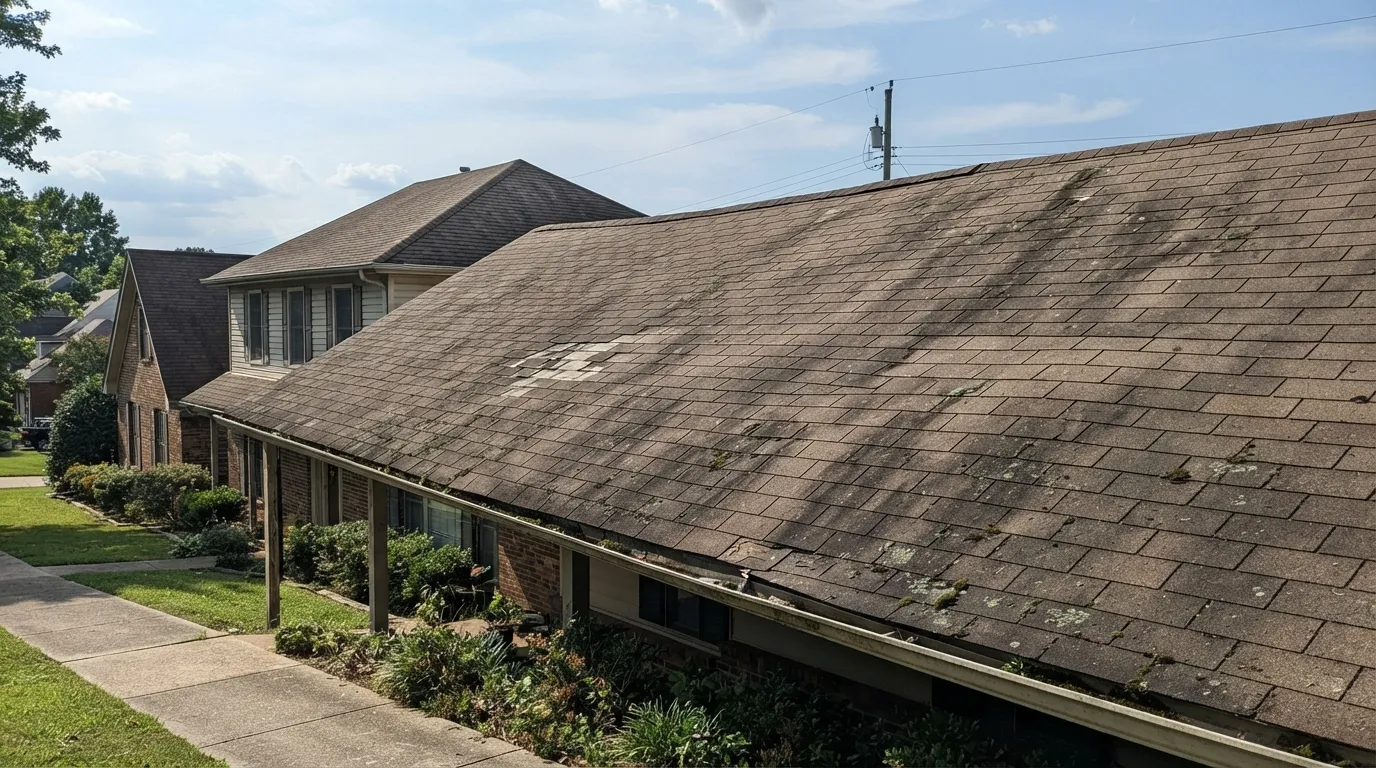
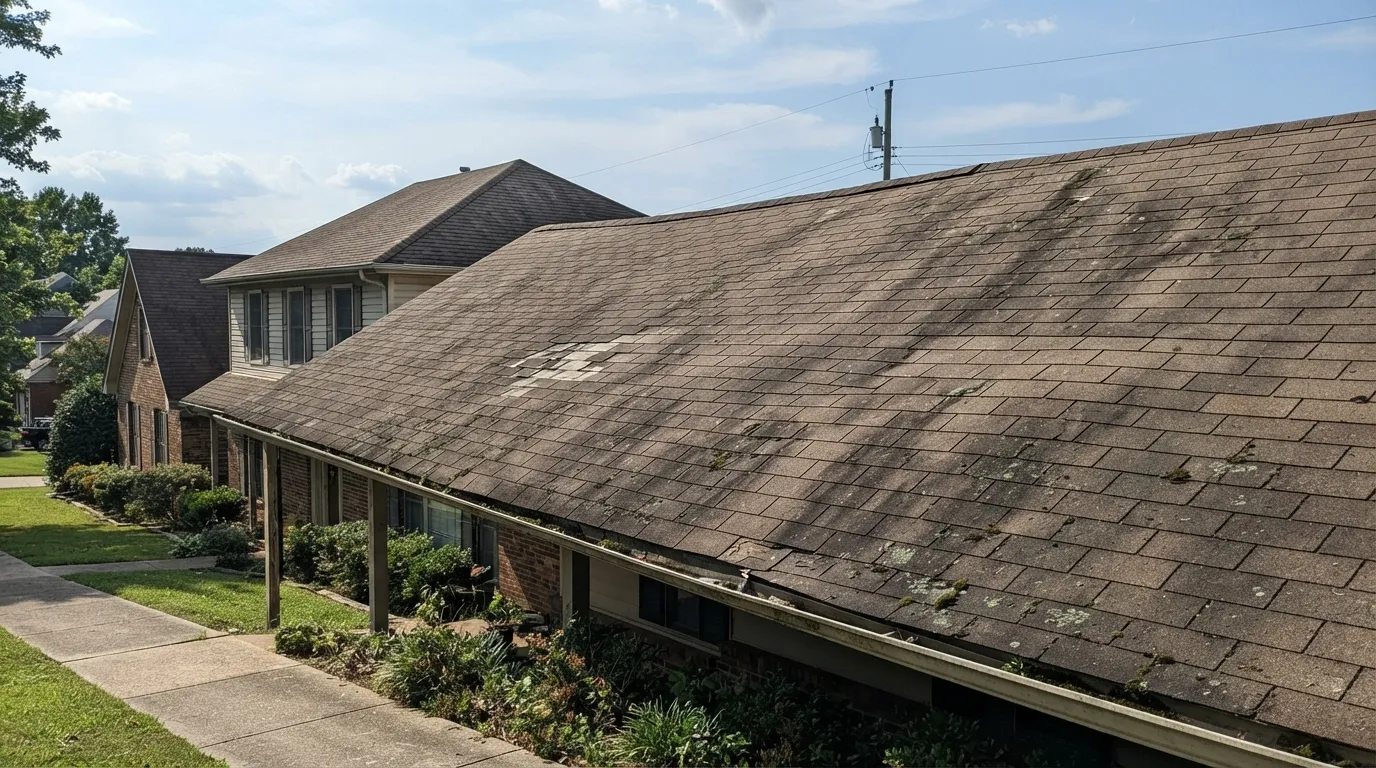
Roof age and visible wear are both on the list of things appraisers notice, and neither needs a ladder. If the roof looks tired from the curb, the appraiser has already formed a view.
Here is what shows from the ground:
- Missing shingles or visible deterioration
- Moss growth on the surface
- Sagging lines or visible leaks
For FHA loans the roof has to be intact, and a roof with missing shingles, active leaks or significant wear will fail the minimum property standards.2 Replace missing shingles now and know your roof’s installation date, along with the invoice if you have one.
A full replacement ahead of an appraisal isn’t warranted unless the roof is failing. Repairing isolated damage and clearing moss does more for the price you pay than a new roof does for the number you receive.
The roof tells a lender how the house has aged. Paint on a porch railing can tell a lender whether it can lend at all, if the house is old enough.
#2 – Peeling Paint on Pre-1978 Railings and Sills
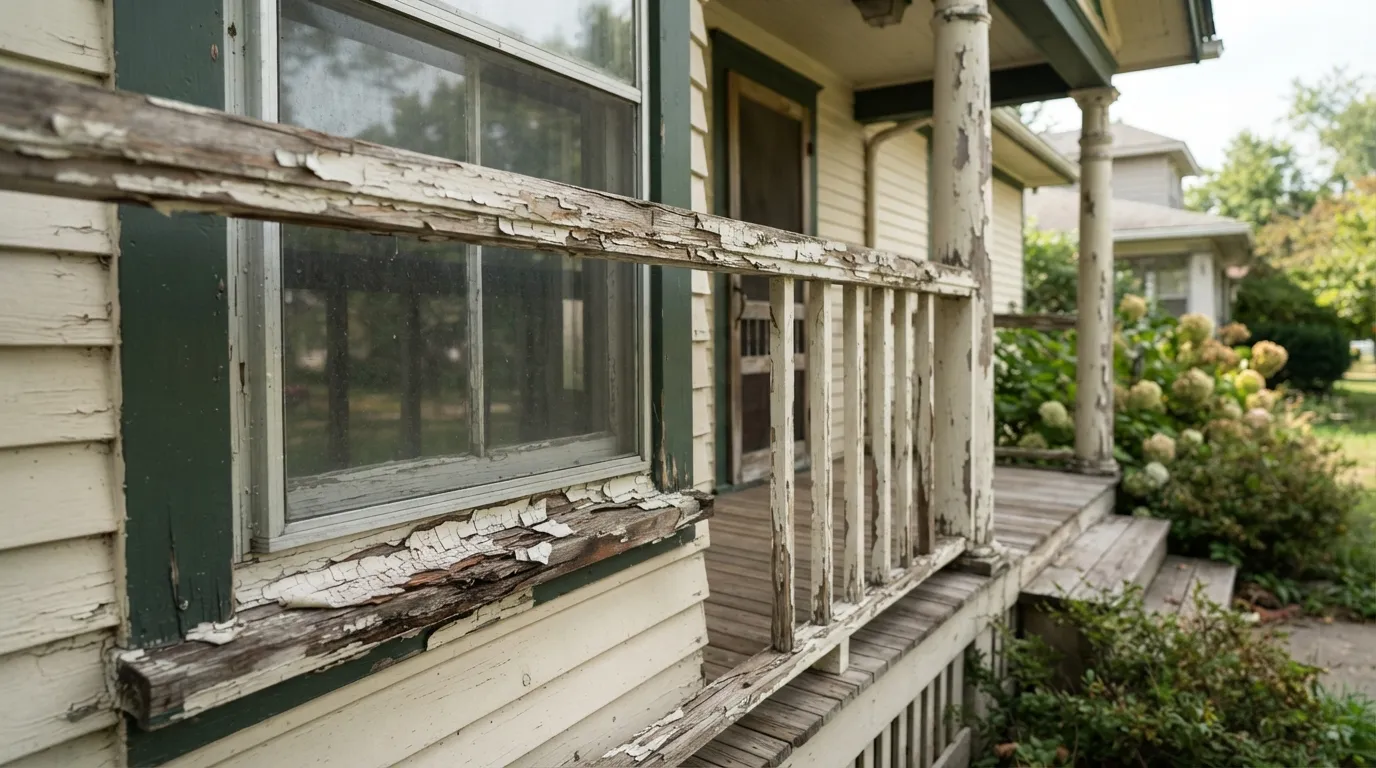
A few square inches of peeling paint on a porch railing can hold up a closing. That’s the case under FHA rules, and it applies to a specific group of houses.
If a property was built before 1978, FHA guidelines require defective paint surfaces, inside or outside, to be scraped, repaired and repainted before closing.3 Common problem areas include exterior trim, window sills, porch railings, garage doors, fences within the property line and detached sheds.
That list reaches back to several earlier items: the trim at #9, the railing at #5 and the garage door at #7. For a house built before 1978, defective paint must be scraped and repainted before closing.
Conventional loans handle it differently, since peeling paint on a pre-1978 home is generally not flagged. My verdict is to treat every pre-1978 house as an FHA candidate anyway, because you don’t choose your buyer’s loan.
Old paint can contain lead, so hire a contractor certified in lead-safe work rather than dry-scraping it yourself. It’s the one item on this list where how you do the repair matters as much as doing it.
Editor’s Note: FHA appraisers are instructed to ignore minor cosmetic defects. Faded color isn’t the issue here; chipping, flaking and peeling is.
Every item so far has been a single defect with a single fix. The last one is the rule that decides what a single defect does to the rating on the whole house.
#1 – One Exterior Defect That Sets the Whole Rating
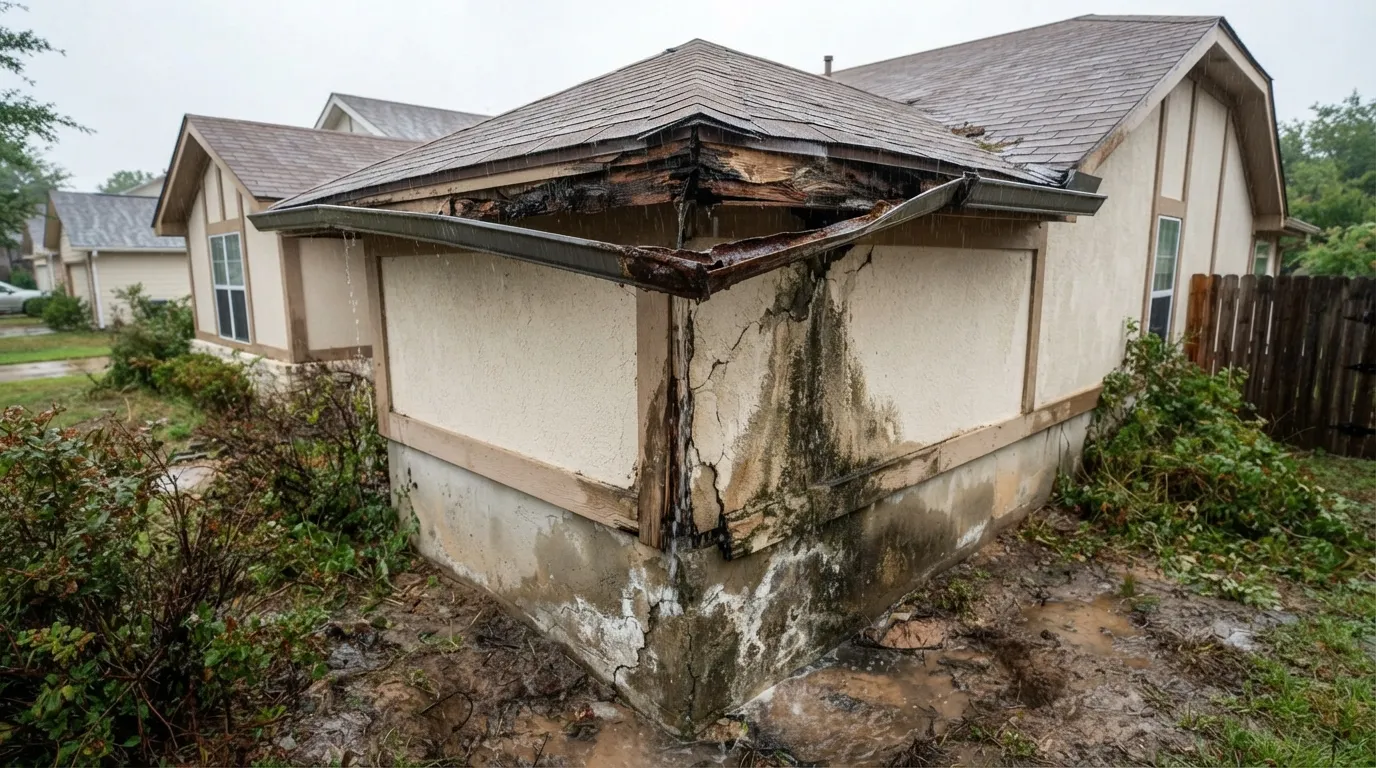
An appraiser doesn’t average your house. Freddie Mac’s guidance says that if any portion of the improvements has a deficiency consistent with a C5 or C6 condition rating, the property must be identified with that rating.4
On the exterior, the C6 criteria include damaged or missing exterior components that allow weather intrusion into the dwelling with resultant structural impact or damage. That’s the gutter at #12, the foundation at #4 and the roof at #3, once they’ve been left long enough.
The stakes are steep. Loans on properties rated C6 aren’t eligible for sale to Fannie Mae, and the house must be appraised subject to repairs that bring it to at least C5 before that loan can move.5
The ratings describe the house on an absolute basis, not relative to other properties, so being the nicest house on a poor street doesn’t help. Any one portion with a C6-type deficiency sets the rating for the whole house.4
The newer appraisal form adds separate interior and exterior ratings alongside the overall rating, so the outside now gets its own line. That makes the earlier items more than polish, because each one is a chance to keep the exterior rating out of trouble.
By The Numbers: Both scales run six steps. Quality (Q1 to Q6) grades how the house was built and rarely changes, so a dated exterior can’t be repaired into a higher quality grade; condition is the one you control.
Read Your Exterior as a Record of Water
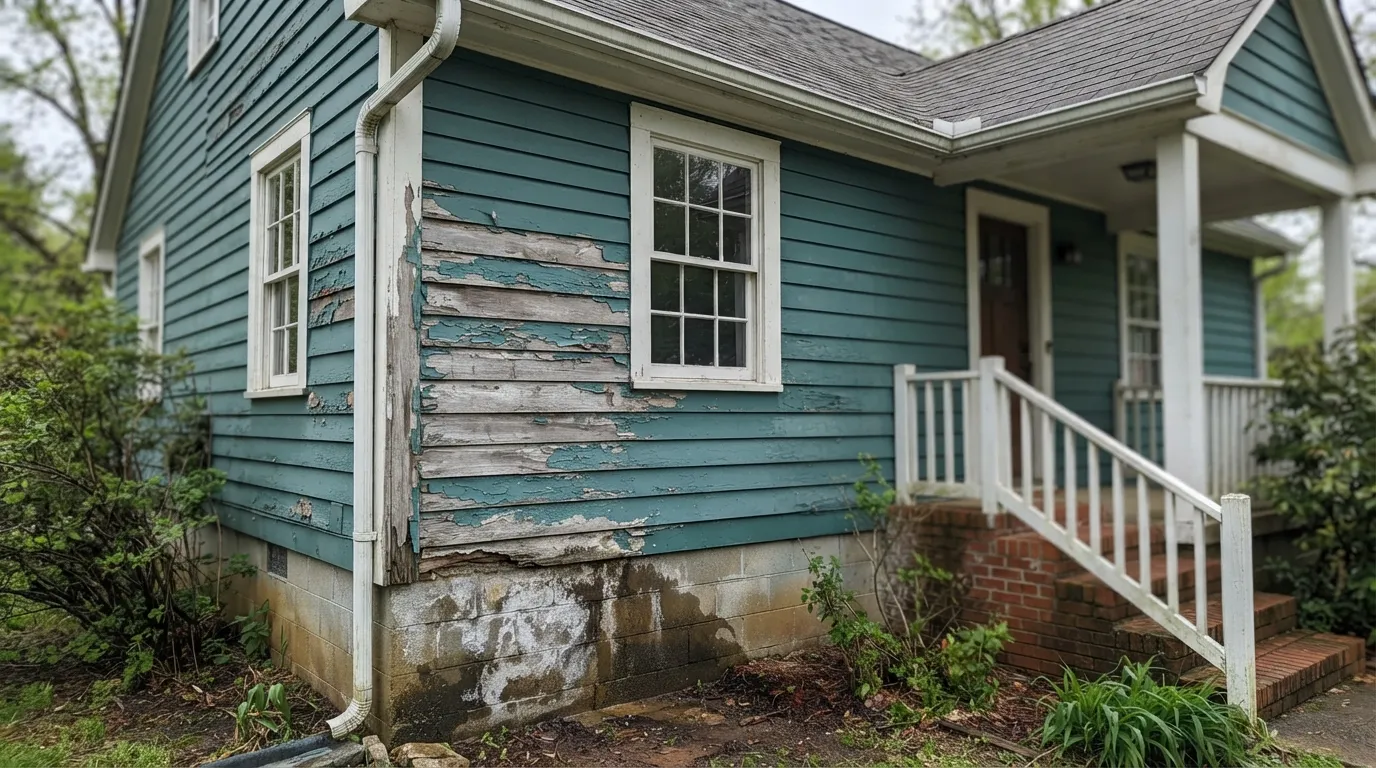
Almost every item on this list comes back to the same question: is the house shedding water or taking it in? Treat the outside of your home as a record of that answer instead of as decoration, and the priorities sort themselves out.
At a Glance
- Handrails (#5): missing ones must be fixed before closing on an FHA loan
- Paint on pre-1978 homes (#2): defective surfaces must be scraped and repainted before closing
- Windows (#8): they must work and lock, and broken glass must be repaired
- Roof (#3): it must be intact, with no missing shingles or active leaks
Walk the property each spring with the list in hand, starting at the street and ending at the front door. The cheap fixes you catch early are the ones that never reach an appraiser’s notes.
Which exterior detail on your own house have you been putting off the longest, and what is it waiting on?
- Cost vs. Value ROI Formula: https://garage.com/resources/roi-of-upgrading-garage/
- FHA Minimum Property Standards: https://www.rocketmortgage.com/learn/fha-minimum-property-standards
- FHA Appraisals Explained: https://www.capcenter.com/learning/article/fha-appraisals-how-they-work-and-why-they-are-different
- Freddie Mac Seller/Servicer Guide: https://guide.freddiemac.com/app/guide/section/5605.5/11-02-2026
- Fannie Mae UAD Supplement: https://singlefamily.fanniemae.com/media/42571/display