


Some upgrades are obvious.
New kitchens. Bigger bathrooms. Flashy lighting. Those are the things people notice right away.
But designers often focus on quieter changes, the types that don’t announce themselves yet somehow make everything feel better.
The room feels calmer. More intentional. More expensive, even if nothing major was added.
Most homeowners overlook these details because they don’t seem dramatic on their own. But when used together, they can completely change how a home feels.
Here are 18 quiet upgrades designers almost always recommend.
#1 Swapping hollow-core doors for solid ones
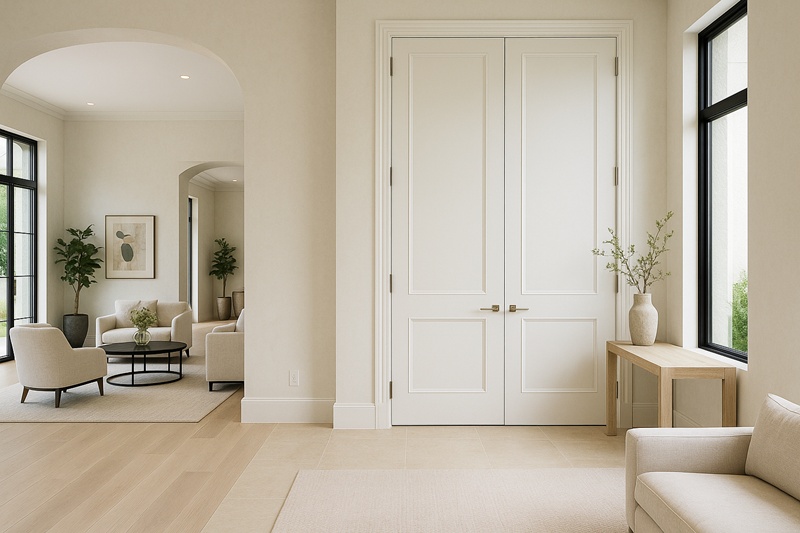
Most modern homes use hollow interior doors because they’re cheaper and lighter.
Solid doors feel completely different. They close with a softer, more substantial sound. They block noise better. Even the simple act of opening and closing them feels smoother.
It’s one of those upgrades people notice without realizing why.
#2 Installing dimmer switches throughout the house
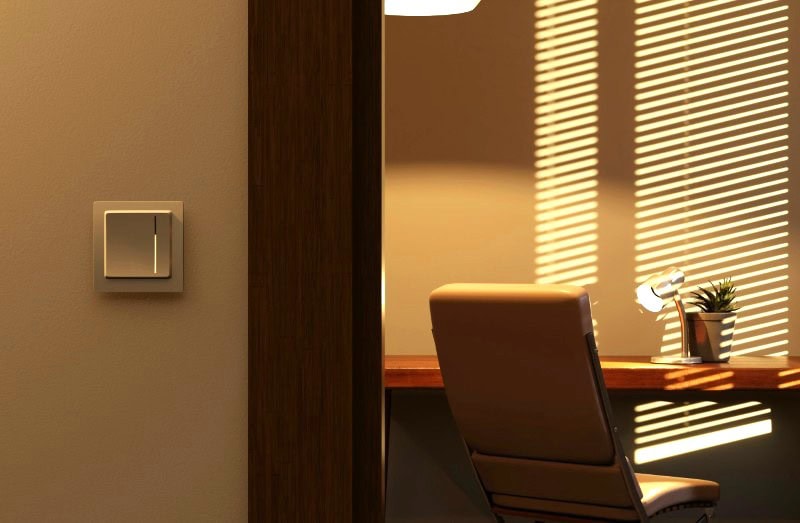
Lighting shouldn’t always be at full brightness.
Dimmer switches allow rooms to shift throughout the day: keeping them brighter in the morning, softer in the evening. It makes spaces feel calmer and more flexible.
It’s a small electrical upgrade that changes the mood instantly.
#3 Raising curtain rods closer to the ceiling
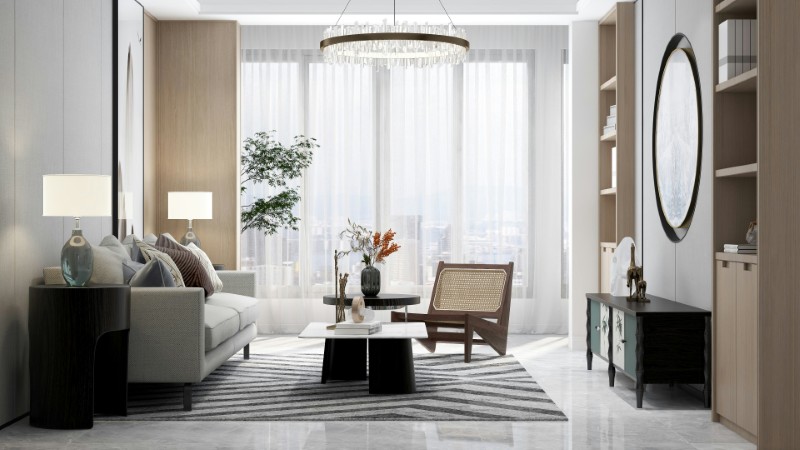
Curtain placement has a huge visual impact.
Mounting rods higher makes ceilings feel taller and windows feel larger. Even standard rooms start to feel more finished.
It’s a simple trick designers use constantly.
#4 Replacing basic air vents with better-looking ones
Air vents are everywhere, but most people never think about them.
Standard builder-grade vents often look flimsy or purely functional. Upgrading to more substantial metal versions instantly improves how finished a room feels.
It’s a small detail that quietly improves the overall look.
#5 Using warmer, softer light bulbs
Light temperature makes a bigger difference than most people expect.
Cool white bulbs can feel harsh and flat, especially at night. Warmer bulbs create a softer glow that feels more natural and easier on the eyes, especially in living rooms and bedrooms where people are trying to relax.
Designers often look for bulbs in the 2700K range, which mimics the warmth of traditional incandescent light.
It’s one of the fastest, least expensive ways to make a home feel calmer and more inviting without changing anything else.
#6 Installing larger baseboards
Baseboards frame the room.
Taller baseboards give walls more presence and make the entire space feel more considered. Short baseboards, by contrast, can make rooms feel unfinished or builder-grade. Even increasing the height by a couple of inches can make a noticeable difference.
It’s a subtle architectural upgrade, but it helps give the home the kind of quiet detail people often associate with older, better-built houses.
#7 Adding outlets in more convenient places
Designers think about where people actually live — and where they actually plug things in, particularly at a time when technology has taken over our day-to-day.
Adding outlets near beds, next to sofas, inside kitchen islands, or along hallways makes daily routines easier. It allows lamps, chargers, and small appliances to work without cords stretching awkwardly across the room.
It improves both function and appearance, and it helps eliminate the visual clutter that extension cords and power strips create.
#8 Using consistent hardware throughout the home
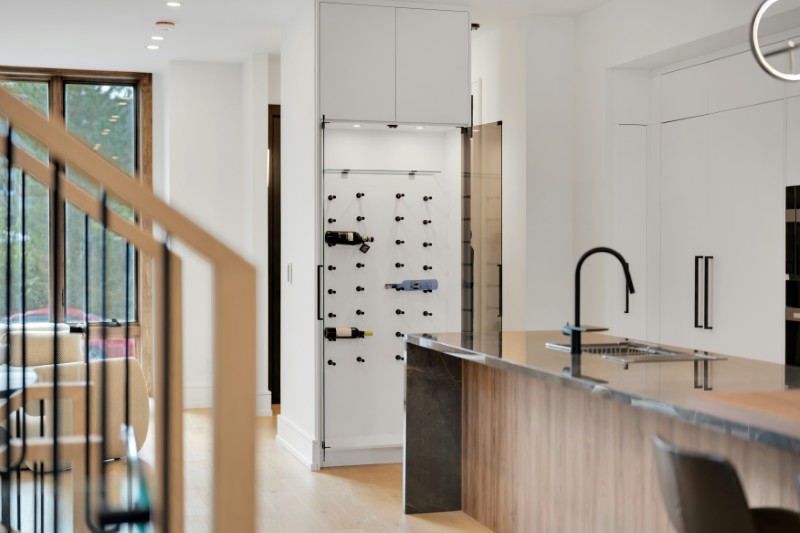
Mixing too many finishes can make a home feel disjointed, even if each individual piece looks good on its own.
Using the same finish — whether it’s brushed nickel, aged brass, matte black, or something else — creates a quiet sense of cohesion. Door handles, cabinet pulls, faucets, and even towel bars start to feel like they belong together.
It’s one of those background decisions that makes the entire home feel more unified and thoughtfully designed.
#9 Installing soft-close hinges and drawer slides
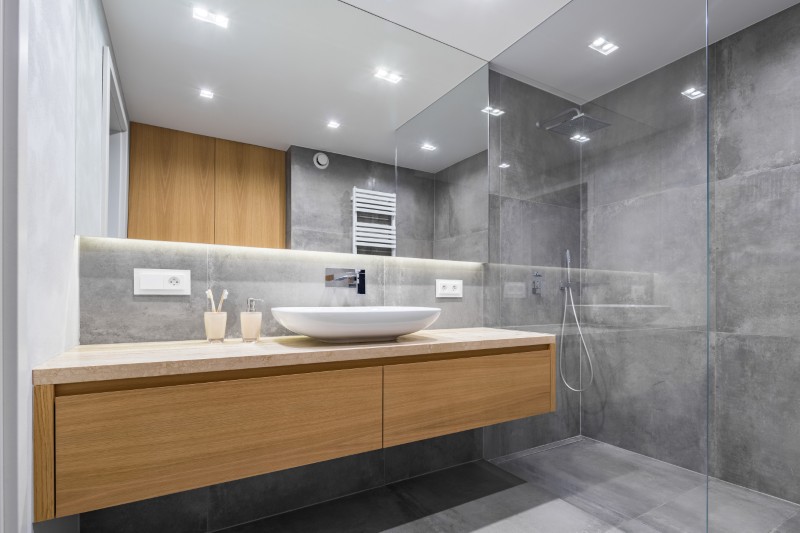
Soft-close hardware prevents doors and drawers from slamming shut.
Instead, they close slowly and quietly, which immediately makes kitchens, bathrooms, and closets feel more refined. It also reduces wear and tear over time, helping cabinets last longer.
It’s a small mechanical upgrade, but it changes something people interact with every single day — and it’s one of those features people quickly get used to.
#10 Improving closet lighting
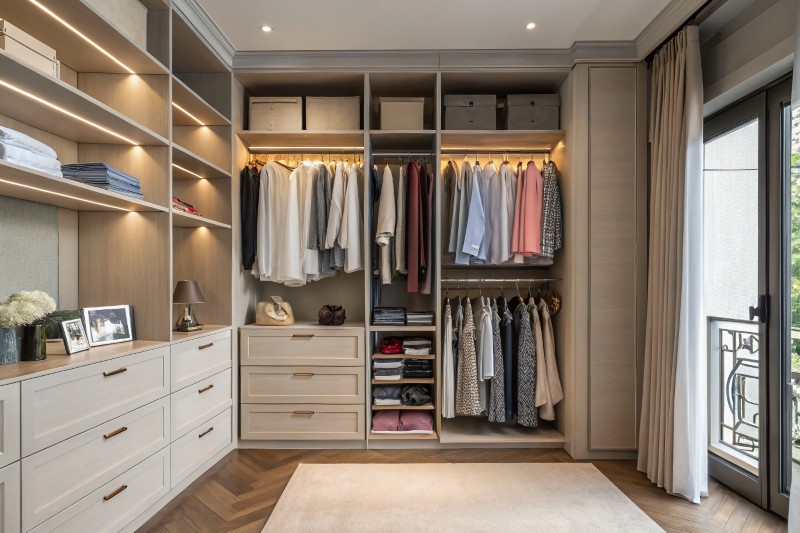
Closets are often poorly lit, which makes them harder to use than they should be.
Adding brighter overhead lighting, LED strips, or even motion-activated lights makes it easier to see clothing clearly. It also makes closets feel larger and more organized, even if nothing else changes.
It’s a practical improvement, but it also makes everyday routines smoother and less frustrating.
#11 Using fewer overhead lights and more lamps
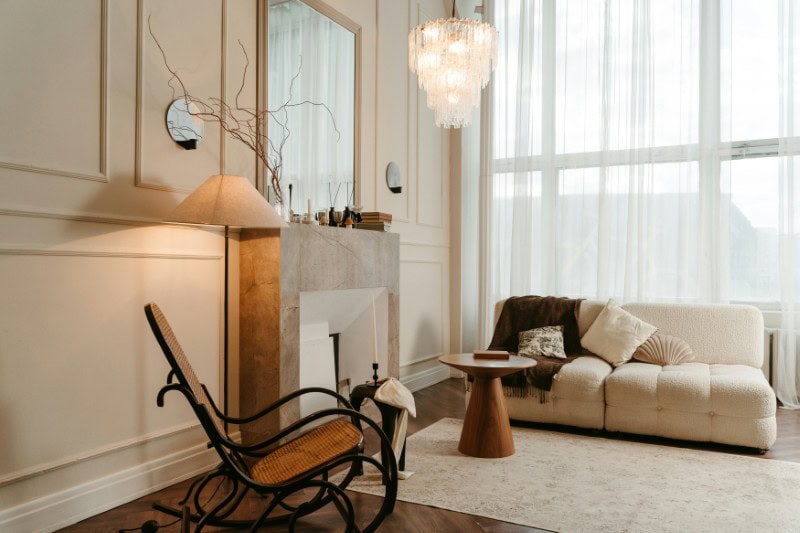
Designers rarely rely on overhead lights alone because they tend to flatten the room.
Lamps create softer, more comfortable pools of light that make spaces feel layered and relaxed. Floor lamps, table lamps, and wall sconces help shape the room and make it feel more welcoming, especially in the evening.
It creates depth, warmth, and a more lived-in atmosphere — the kind people naturally gravitate toward.
#12 Upgrading door handles
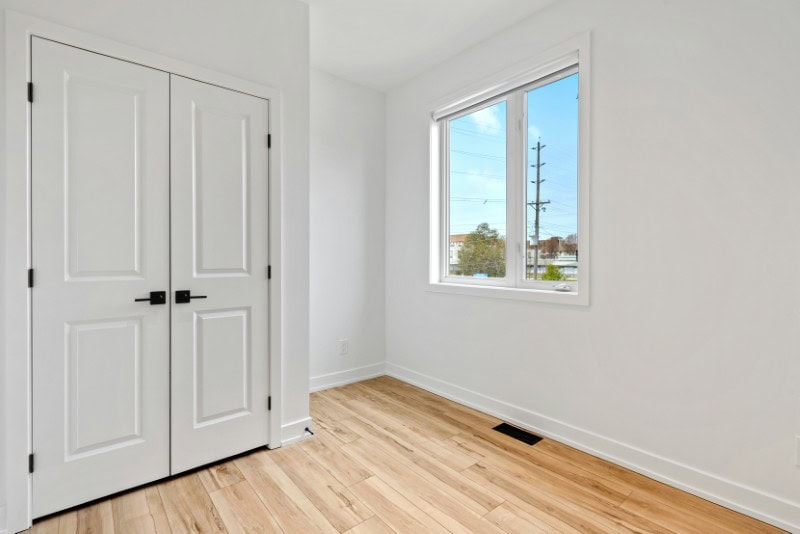
Door handles are touched constantly, yet they’re often one of the cheapest components in a home.
Heavier, more substantial handles feel smoother and more secure in your hand. They don’t rattle, loosen, or wear down as quickly. Even the sound they make when the door closes feels quieter and more solid.
It’s a small change people interact with every day, and it quietly improves the overall impression of quality throughout the house.
#13 Extending cabinets all the way to the ceiling
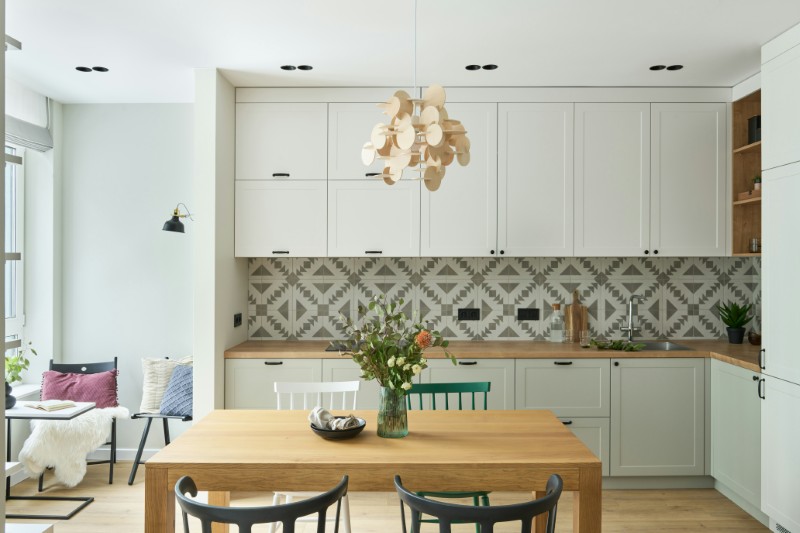
Cabinets that stop short leave an awkward strip of empty space at the top that tends to collect dust and visually cut the room short.
Extending them to the ceiling makes the entire kitchen feel taller, cleaner, and more finished. The eye naturally travels upward without interruption, which creates a stronger sense of height and continuity.
It also adds valuable storage space — especially useful for items that don’t need to be accessed every day.
#14 Using better-quality paint
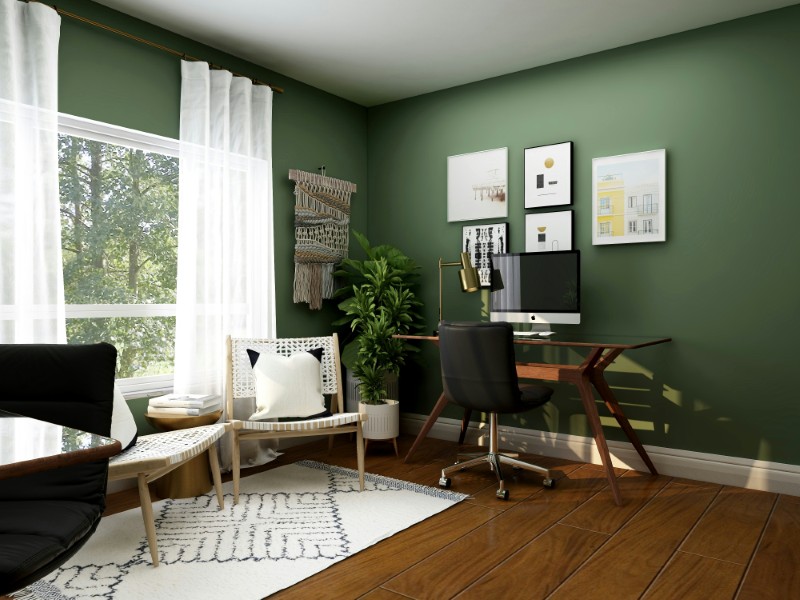
Higher-quality paint creates smoother, more even finishes that hold up better over time.
It goes on more consistently, covers more effectively, and resists scuffs and marks more easily. It also reflects light in a softer way, which can make walls look deeper and more refined without changing the color itself.
It’s one of those upgrades that doesn’t stand out immediately, but it makes the entire home feel better maintained.
#15 Improving transitions between flooring

Transitions between flooring materials can either feel seamless or distracting.
When they’re handled poorly, they create harsh visual breaks that make the home feel pieced together. Designers pay close attention to how wood meets tile, or how flooring shifts between rooms, often using subtle transition strips or aligning materials carefully.
Cleaner transitions help the entire home feel more cohesive and easier on the eye.
#16 Installing quieter bathroom fans
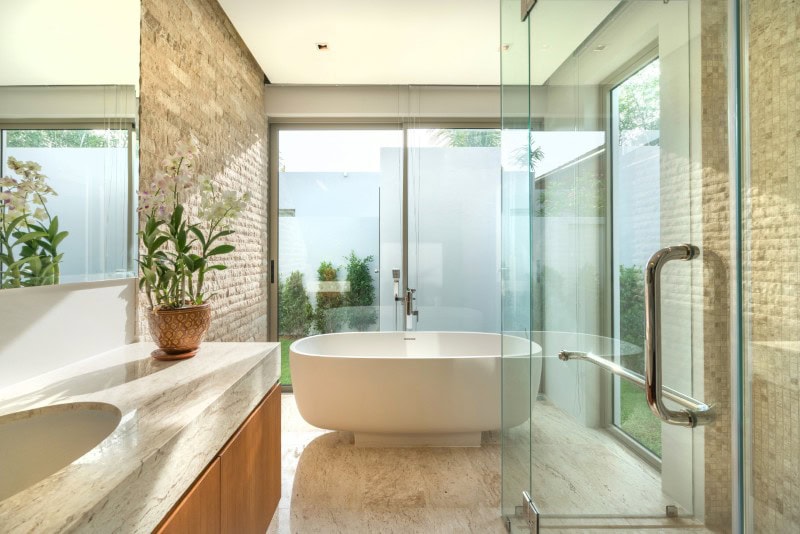
Cheap bathroom fans tend to be loud enough that people avoid using them.
Quieter fans remove moisture just as effectively but operate with a soft, barely noticeable sound. This makes bathrooms feel calmer and more comfortable, especially during early mornings or late at night.
It’s a small upgrade that improves comfort every single day while also helping protect the home from moisture damage.
#17 Adding subtle outdoor lighting
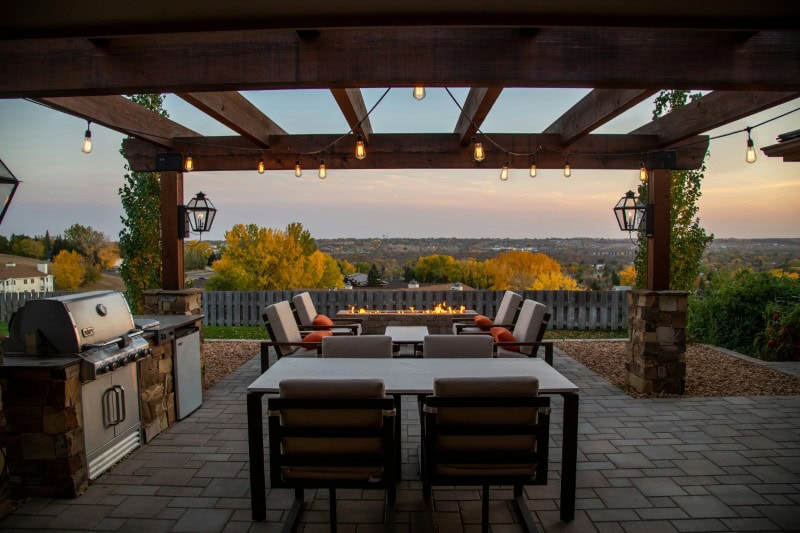
Exterior lighting helps define the home after dark.
Soft lighting along walkways, near entryways, and around landscaping makes the property feel more welcoming and easier to navigate, as do tasteful string lights and more modern fire features.
The warm lighting also does a great job of highlighting architectural details that might go unnoticed during the day.
Even simple additions can make the home feel more polished and thoughtfully maintained.
#18 Reducing the chances of clutter in visible areas
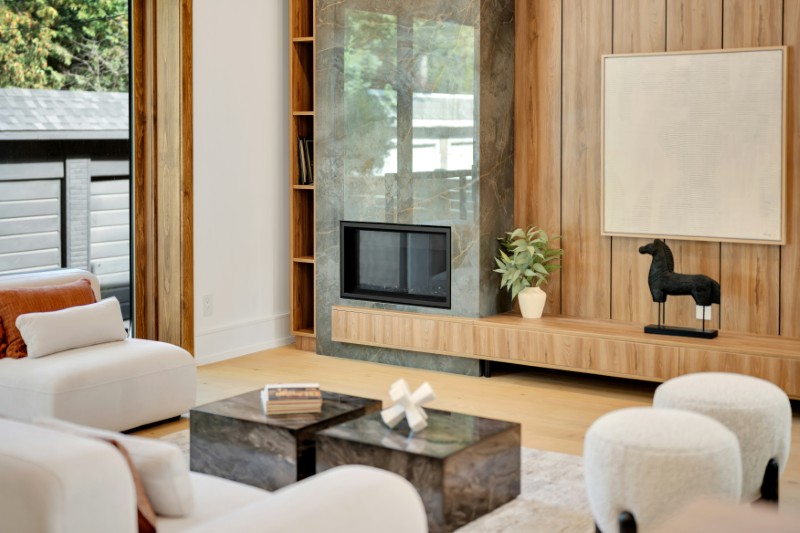
Designers don’t just add things — they remove things. And make sure there are enough spaces to store common objects so they’re not always around, but somehow conveniently handy.
Clearing off countertops, shelves, and surfaces allows the room itself to become the focus. Individual objects stand out more, and the space feels calmer and more intentional.
It’s one of the most powerful upgrades because it changes how everything else is experienced; and it doesn’t require buying anything at all. Just a little planning and consistency.
More stories
19 Things designers wish homeowners would stop doing
15 Renovation choices that actually age beautifully
18 Things designers would change first in a builder-grade house