

There’s a particularly frustrating kind of household mystery: spending an entire afternoon cleaning, putting everything back where it belongs, and still looking around the room thinking, Why does this place look so messy?
The floors are clean. The countertops have been wiped down. There isn’t a dirty dish in sight. And yet, something about the space still feels cluttered, chaotic, or just a little untidy.
As it turns out, there’s a difference between a house that’s clean and one that looks clean.
Interior designers know this particularly well. A room’s visual appearance depends on everything from how furniture is arranged to how many objects compete for attention. Even the most spotless home can feel messy when certain design details work against it.
The good news? Most of these problems have surprisingly simple fixes, and very few require spending money on new furniture or expensive organizational systems.
Here are 12 things that might be making an otherwise clean home look messier than it really is.
1. Too many small decorative objects
There’s nothing wrong with collecting beautiful things. A little ceramic bowl from a vacation, a favorite candle, a few framed photographs, and that tiny sculpture that seemed irresistible at the flea market.
The trouble starts when every available surface becomes a display area.
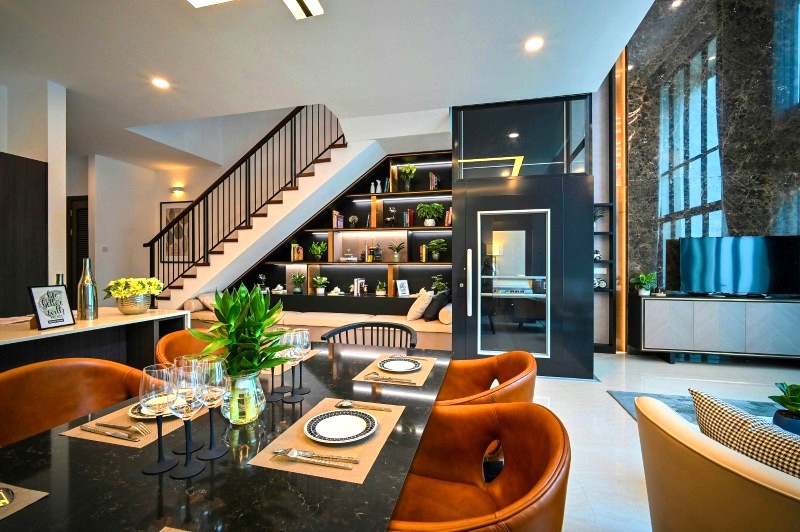
Individually, these objects might be lovely. Together, they create visual clutter, especially when they’re scattered across coffee tables, shelves, windowsills, and kitchen counters.
The easiest solution is to group decorative objects rather than spread them around.
Try arranging items in clusters of three, varying their heights and shapes. Leave some surfaces completely empty, too. That negative space gives the eye somewhere to rest and helps the pieces worth displaying get the attention they deserve.
2. Rugs that are holding on to every bit of dust and debris
A beautiful rug can make a room feel warmer, softer, and more inviting. But it can also be one of the biggest reasons a freshly cleaned space still looks a little dingy.
High-pile rugs, particularly in busy households, have a talent for trapping everything from pet hair to crumbs and dust.
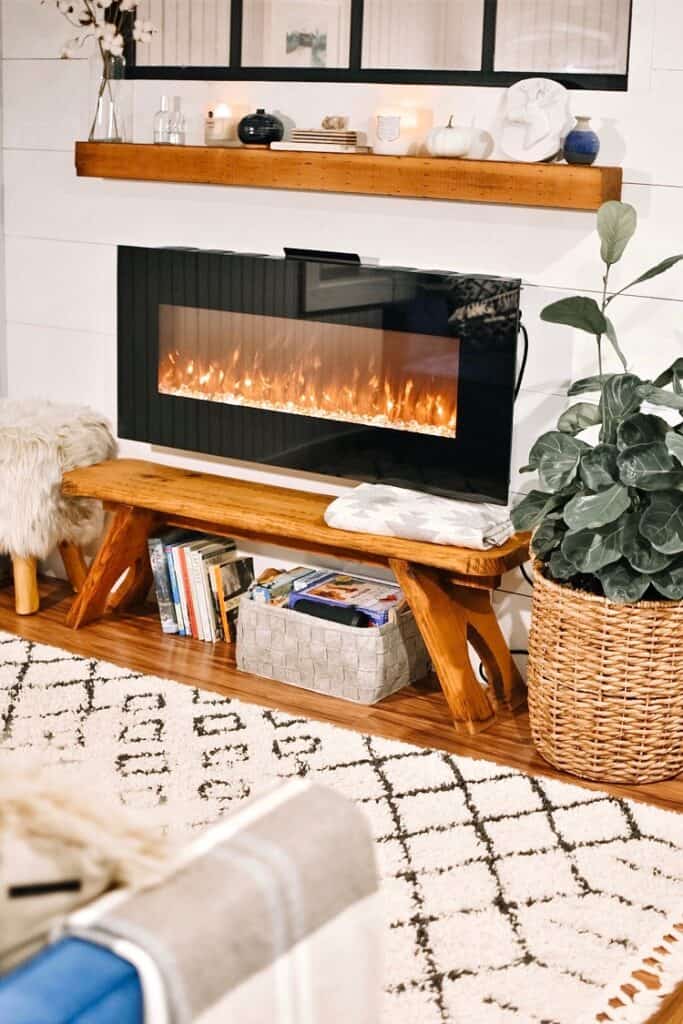
And because the debris settles between the fibers, a rug can look worn or dull long before it actually needs replacing.
Regular vacuum cleaning makes a noticeable difference, especially in high-traffic areas. The right vacuum can help lift embedded dirt and restore the appearance of the fibers, while an occasional deeper cleaning can tackle the buildup that routine maintenance misses.
It’s also worth considering whether the rug itself suits the room.
Low-pile rugs are often easier to maintain in spaces that see a lot of activity, while washable options can be particularly practical for homes with pets or young children.
Sometimes, the secret to a cleaner-looking living room is right underfoot.
3. An army of mismatched storage containers
Storage baskets and organizers are supposed to make life easier.
But somewhere along the way, it’s possible to accumulate a collection of containers that creates almost as much visual clutter as the things they’re supposed to hide.
A plastic bin here, a woven basket there, a stack of mismatched boxes on an open shelf. Suddenly, the organization system becomes the problem.
This doesn’t mean every storage container needs to match perfectly.
However, choosing a consistent material, color palette, or general style can make a surprisingly big difference.
Closed storage also works wonders for everyday items that aren’t particularly attractive. Cleaning supplies, chargers, paperwork, and miscellaneous household necessities don’t all need to be part of the decor.
4. Too many things sitting on the kitchen countertops
Kitchens are particularly vulnerable to visual clutter because so many everyday objects need to be within easy reach.
Coffee makers, toasters, knife blocks, fruit bowls, dish soap, paper towels, and various cooking utensils can quickly occupy every available inch.
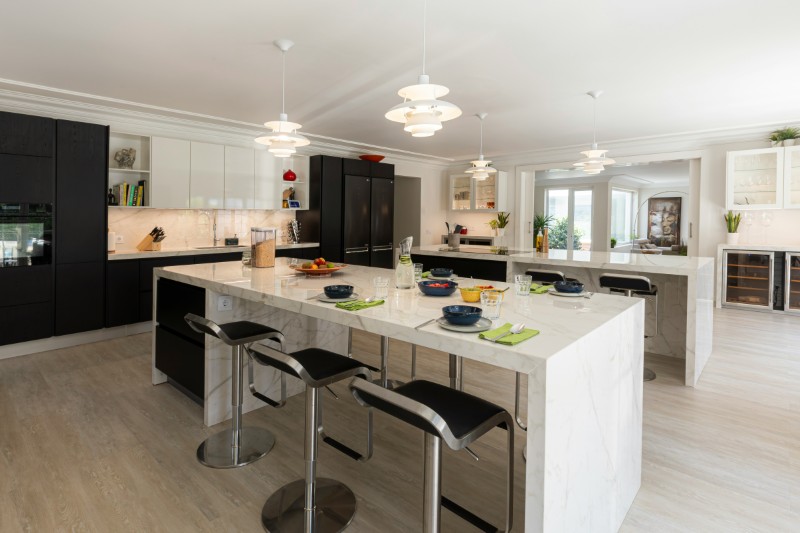
Even when everything is clean and neatly arranged, a crowded countertop makes the whole kitchen feel busy.
The solution isn’t necessarily to hide every appliance.
Instead, prioritize the things used daily and find cabinet space for everything else.
A simple tray can also help corral frequently used items, making them look like a deliberate arrangement rather than a random collection of kitchen necessities.
And don’t underestimate the impact of a completely clear stretch of countertop. It can make even a modest kitchen feel bigger and more polished.
5. Furniture that’s slightly out of place
A sofa doesn’t have to be covered in laundry to make a living room look untidy.
Sometimes, the problem is simply that the furniture arrangement feels off.
A coffee table positioned too far from the sofa, an accent chair awkwardly angled toward a wall, or a rug that doesn’t properly anchor the seating area can make an otherwise tidy room feel disorganized.
Good furniture placement creates an intuitive flow through a space.
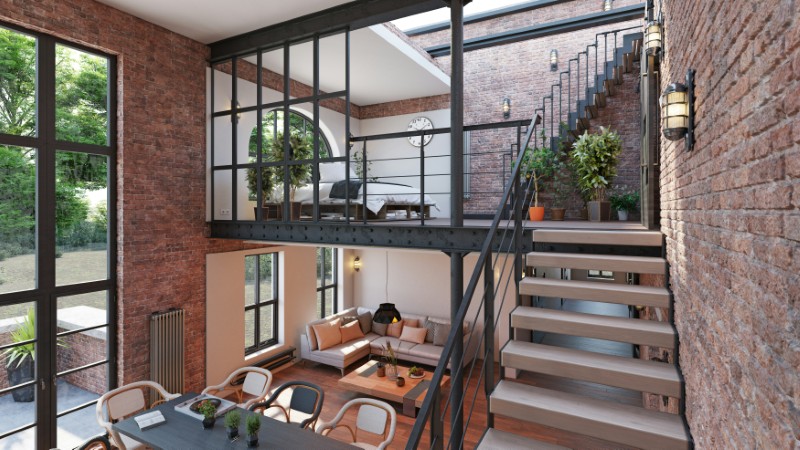
Start by looking at how people move around the room. Are there clear pathways? Does the seating arrangement encourage conversation? Is the furniture visually balanced?
Even small adjustments can make a room feel more intentional.
And unlike most home improvement projects, rearranging furniture is completely free.
6. Visible cords and charging cables
Few things undermine a beautifully styled room quite like a tangled collection of electrical cables.
Televisions, lamps, computers, speakers, and charging stations have made cords an unavoidable part of modern life.
Unfortunately, they’re not particularly attractive.
The biggest offenders tend to be cables dangling behind entertainment centers, extension cords snaking across the floor, and charging stations surrounded by an assortment of wires.
Cable management sleeves, adhesive clips, and simple cord boxes can help keep everything under control.
It’s also worth paying attention to where electronics are positioned. Sometimes, moving a lamp closer to an outlet or relocating a charging station eliminates the problem altogether.
The goal isn’t to pretend technology doesn’t exist. It’s simply to keep the wiring from becoming part of the room’s visual identity.
7. Throw pillows that have completely lost their shape
Decorative pillows are supposed to make a sofa look comfortable and inviting.
But flattened, lumpy, or awkwardly arranged cushions can have the opposite effect.
Even an expensive sofa starts looking a little tired when its pillows are permanently squashed or sliding into the corners.
Fortunately, this is one of the easiest problems to fix.
Fluff the cushions regularly, rotate them to distribute wear, and replace inserts that have completely lost their structure.
It’s also worth reconsidering how many pillows a sofa actually needs.
A handful of well-chosen cushions usually looks more intentional than a mountain of decorative pillows that need to be moved every time someone wants to sit down.
8. Open shelving that’s trying to do too much
Open shelves look wonderful in carefully styled interiors.
In everyday homes, though, they can easily become a dumping ground for everything that doesn’t have an obvious place to live.
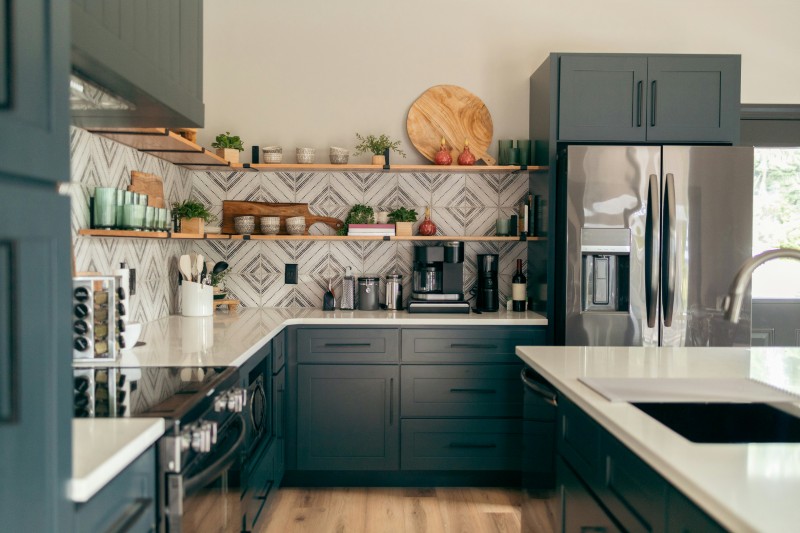
Books, souvenirs, mail, decorative objects, spare candles, and assorted household items gradually accumulate until the shelves feel overwhelming.
The key is finding a balance between storage and display.
Try arranging books in smaller groups, mixing vertical and horizontal stacks, and leaving breathing room around larger objects.
Avoid filling every inch of available space.
And if the shelves primarily hold practical items rather than decorative ones, a few attractive boxes or baskets can help reduce the visual noise.
9. Windows that make the whole room look dull
Windows have an enormous influence on how a room feels.
They determine how much natural light enters the space, affect the appearance of colors, and shape the overall atmosphere.
Unfortunately, dirty glass can make even a beautifully maintained room look tired.
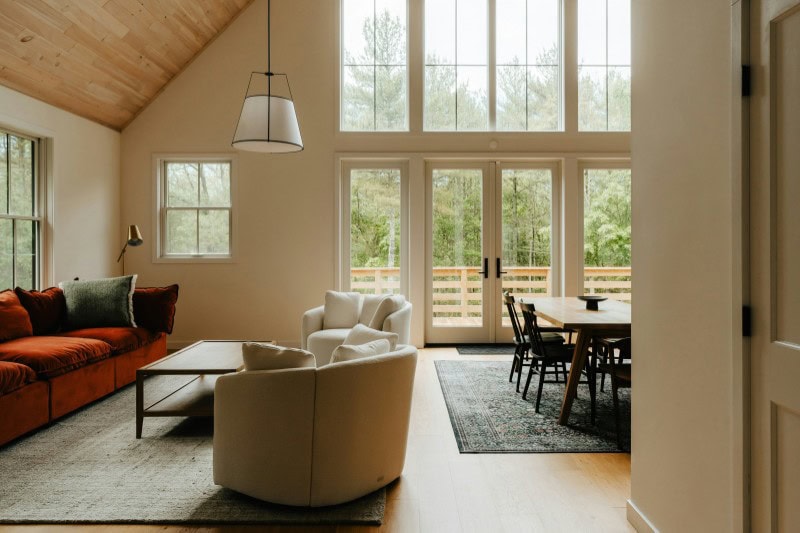
Fingerprints, dust, streaks, and outdoor grime gradually reduce clarity, often so slowly that the difference goes unnoticed.
Then there’s the window treatment itself.
Heavy, poorly fitted curtains can make a room look darker and more crowded, while uneven blinds or wrinkled drapery can create a sense of disorder.
Cleaning the glass, straightening the blinds, and giving the curtains a little attention can make the entire room feel brighter.
It’s a small job with a surprisingly noticeable payoff.
10. An entryway that’s become a drop zone
The entryway sets the tone for the rest of the house.
Unfortunately, it’s also where many households deposit everything they don’t want to deal with immediately.
Shoes, jackets, reusable shopping bags, umbrellas, backpacks, keys, and mail all seem to congregate near the front door.
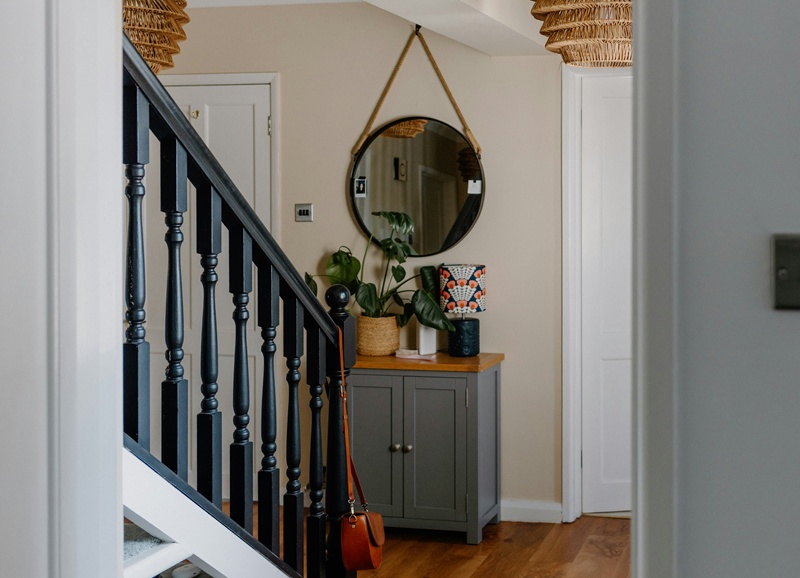
Even when the rest of the house is spotless, a crowded entryway can make the whole place feel messy.
The solution is to create dedicated storage for the items that naturally end up there.
Wall hooks, a slim shoe cabinet, a small tray for keys, and a basket for miscellaneous accessories can go a long way.
It’s also helpful to keep seasonal items elsewhere.
An entryway doesn’t need to accommodate every coat, pair of shoes, and accessory the household owns.
It only needs to handle what’s currently in rotation.
11. Too many competing colors and patterns
A home can be perfectly clean and still feel visually chaotic when every surface is competing for attention.
Bold artwork, patterned rugs, colorful cushions, printed curtains, and statement furniture can all look fantastic individually.
But when they’re introduced without a clear relationship to one another, the result can feel busy rather than thoughtfully layered.
This doesn’t mean a home needs to be beige to look tidy.
Colorful interiors can feel wonderfully cohesive, provided there’s some consistency connecting the different elements.
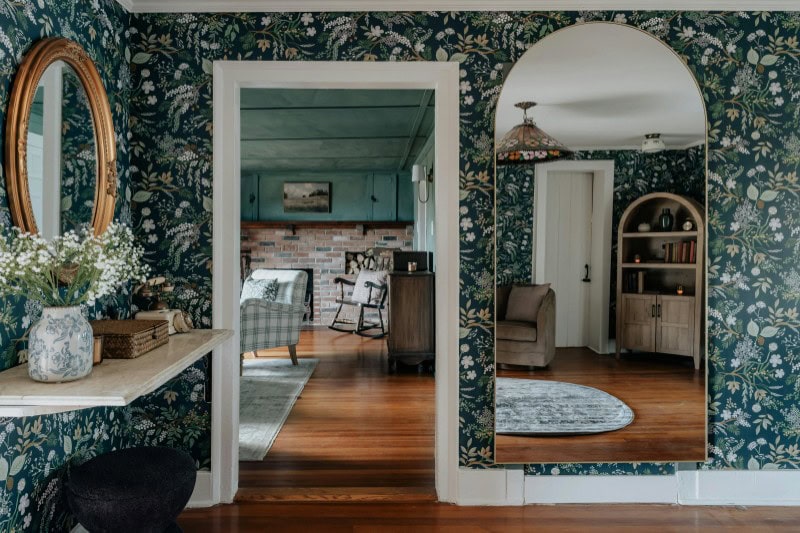
Repeating a few colors throughout the room, balancing bold patterns with quieter surfaces, and incorporating neutral areas can help create that sense of order.
Even maximalist spaces benefit from a little visual structure.
The idea is to make the room feel collected rather than accidentally accumulated.
12. Everyday essentials that never quite disappear
Some of the most persistent sources of household clutter are things that don’t seem worth putting away.
A half-read magazine on the coffee table. A water bottle on the nightstand. A sweater draped over a chair. The remote controls that somehow always end up scattered across the sofa.
None of these things is particularly messy on its own.
But when every room contains several objects that are temporarily out of place, the overall effect can be surprisingly noticeable.
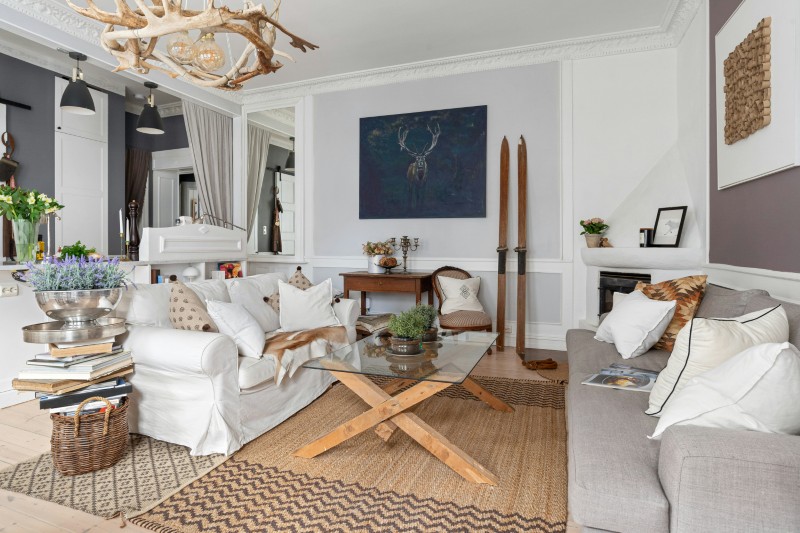
One useful approach is to create small, designated homes for frequently used items.
A basket beside the sofa can hold blankets and magazines. A bedside drawer can accommodate chargers and other nighttime essentials. A decorative box can keep remote controls from taking over the coffee table.
The goal isn’t to eliminate the signs of everyday life.
It’s to make returning things to their proper places so easy that tidying becomes almost automatic.
A cleaner-looking house doesn’t necessarily require more cleaning
One of the most useful things to understand about maintaining a beautiful home is that cleanliness and visual order aren’t quite the same thing.
A house can be hygienically clean but visually overwhelming. It can also look beautifully organized while hiding a fair amount of dust.
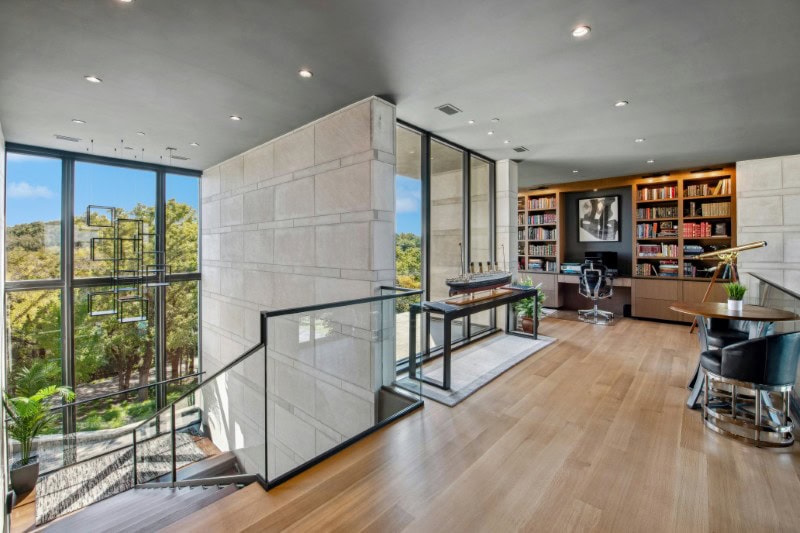
Ideally, the two work together.
Regular cleaning takes care of the dirt, while thoughtful organization, furniture placement, and a little attention to decorative details help the home feel calmer and more put-together.
And the best part? Most of the changes that make a home look cleaner don’t require a renovation, a professional organizer, or an entirely new decorating scheme.
Sometimes, all it takes is clearing a countertop, straightening a few cushions, and finally finding somewhere to hide those charging cables.
More stories
18 flip features that look good online, but fail in real life
9 Home design trends that are shaping the look of modern living spaces