

Some design decisions feel risky. Not because they’re expensive, but because they’re hard to reverse.
Tearing out tile or replacing cabinetry isn’t something most homeowners want to redo a few years later.
But plenty of bold design ideas come with a safety net.
Paint can be repainted. Hardware can be swapped. Lighting can be replaced. Even some of the most dramatic transformations can be undone surprisingly easily. Which makes them the perfect way to experiment.
Here are 25 bold design moves that make a huge visual impact — without permanently locking you in.
Paint your home’s exterior black
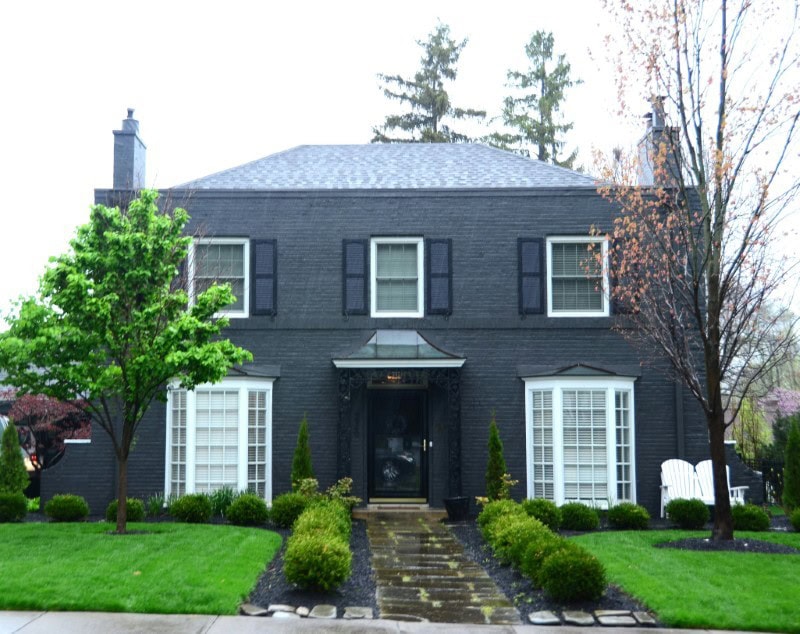
Few things transform a house faster than black paint.
It sharpens architectural lines, simplifies busy facades, and can make even an ordinary home look more intentional and high-end.
Older houses with mismatched trim or awkward proportions often benefit the most — black visually “cleans up” everything. It also highlights landscaping in a dramatic way, making greenery pop.
What makes it a relatively low-risk move is that exterior paint isn’t permanent.
If it ever starts to feel too stark (or if future buyers prefer something lighter) it can always be repainted in a more neutral tone. Compared to replacing siding or reworking the structure, paint delivers one of the biggest visual upgrades for the least long-term commitment.
Install bold cabinet lighting for extra glow
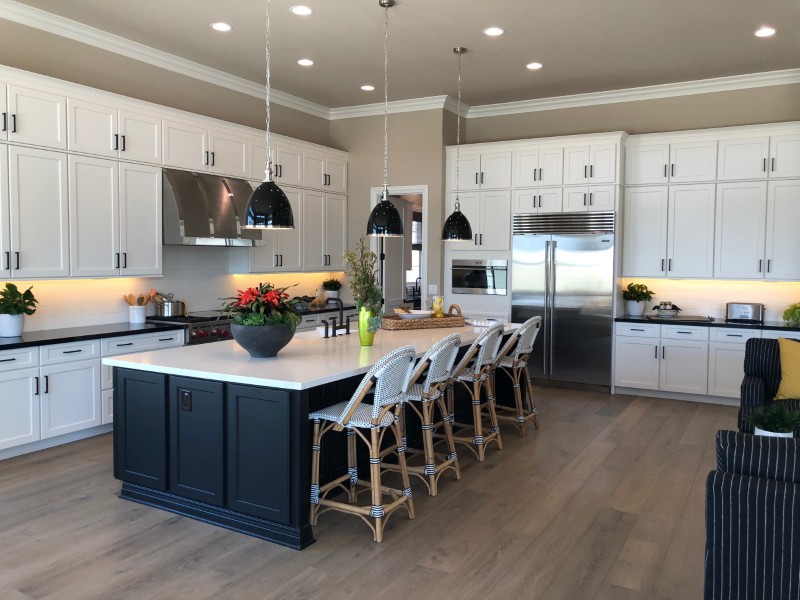
Lighting inside or under cabinets can dramatically change how a kitchen, bar, or built-in feels.
Warm under-cabinet lighting adds depth and makes the room feel more layered, especially in the evening. Interior cabinet lighting, especially behind glass doors, can turn everyday storage into a display feature.
Most modern systems are plug-in, adhesive, or surface-mounted, meaning they can be removed later without major electrical work. It’s a reversible upgrade that adds both function and atmosphere.
Install oversized or sculptural light fixtures
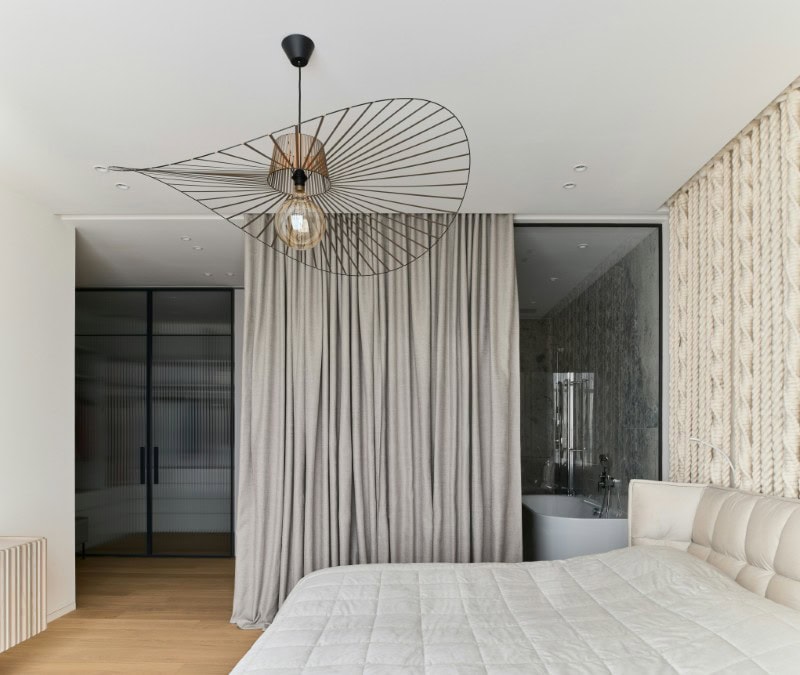
Lighting is one of the few design elements that can completely redefine a room without altering anything permanent.
An oversized pendant, dramatic chandelier, or sculptural fixture can instantly create a focal point and give a space more personality. Even simple rooms feel more finished when the lighting has presence.
And unlike built-ins, lighting is easy to change. Fixtures can be swapped out in minutes, making this one of the safest ways to experiment with bold design without long-term consequences.
Try removable wallpaper with a bold pattern
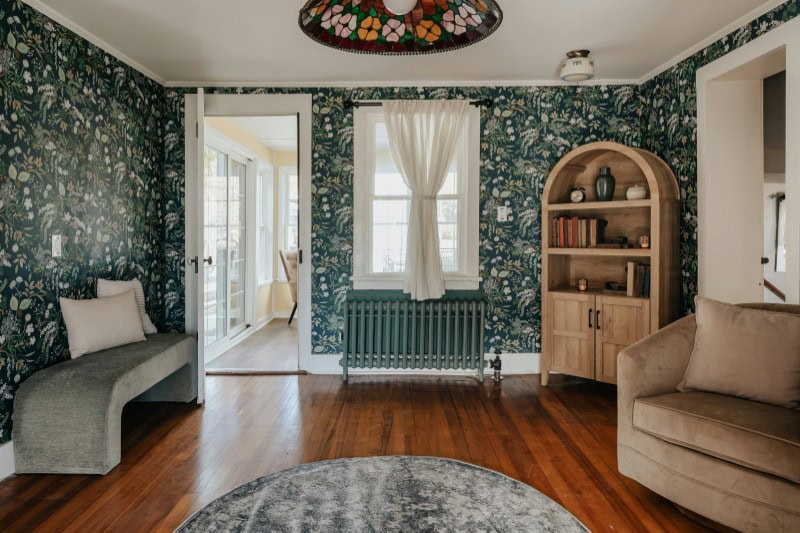
Wallpaper used to feel like a permanent decision. Now it doesn’t have to be.
Peel-and-stick options make it possible to experiment with bold florals, graphic patterns, murals, or textured looks without committing long term. It’s especially effective in entryways, powder rooms, and bedrooms, where it can completely transform the space.
If the wallpaper stops feeling right, it can be removed without damaging the wall underneath — leaving the original paint intact.
Go dark and moody in a small room
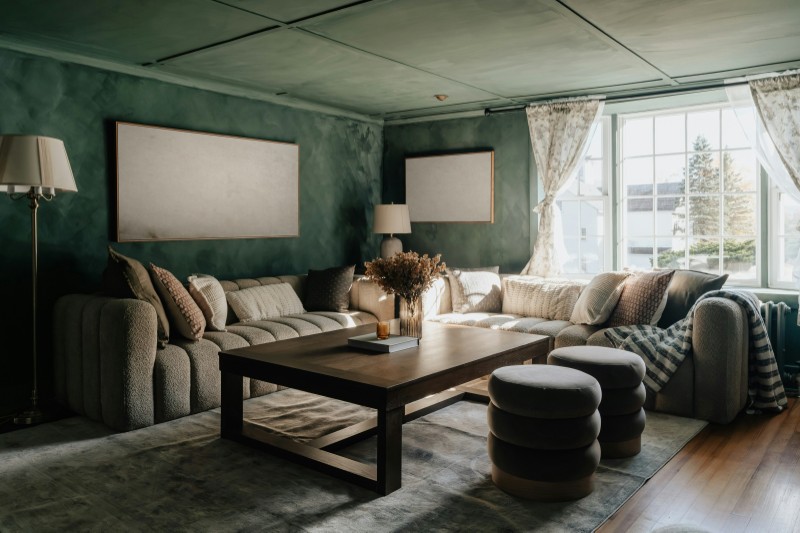
Smaller rooms are the safest places to take risks with bold color.
A powder room painted in charcoal, aubergine, or deep green can feel dramatic and memorable in a way larger spaces often can’t pull off.
Dining rooms, dens, and offices benefit too, as darker colors make them feel more intimate and intentional.
Since these rooms are used differently than main living areas, the impact feels bold without becoming overwhelming. And if tastes shift later, repainting a small room is quick, inexpensive, and relatively painless compared to tackling larger spaces.
Install temporary wall molding
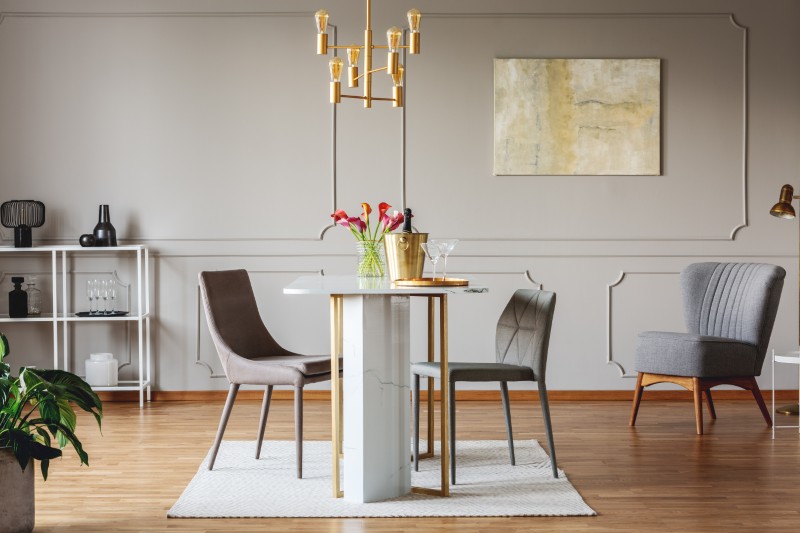
Applied molding can make plain walls feel more detailed and intentional.
Simple grid patterns, picture-frame molding, or geometric layouts can create the look of traditional millwork without major construction. Once painted, it blends seamlessly into the wall.
Because it’s typically attached with nails and adhesive, it can be removed later if needed. It’s a way to add character without permanently altering the structure.
Paint the ceiling a bold color
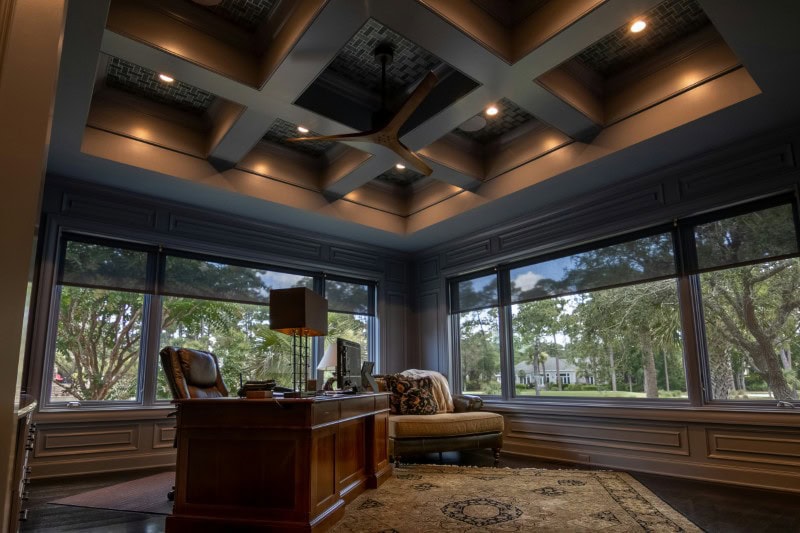
Most ceilings default to white, which makes them disappear.
Painting the ceiling instead — whether in black, navy, dusty rose, or even a soft tonal variation of the wall color — draws the eye upward and changes the entire feel of the room.
Dark ceilings can make bright rooms feel calmer, while colored ceilings can add warmth and personality without taking up wall space.
It’s especially effective in bedrooms, dining rooms, and smaller living areas. And like any painted surface, it can always be returned to white later if the look stops working.
Paint kitchen cabinets a bold color
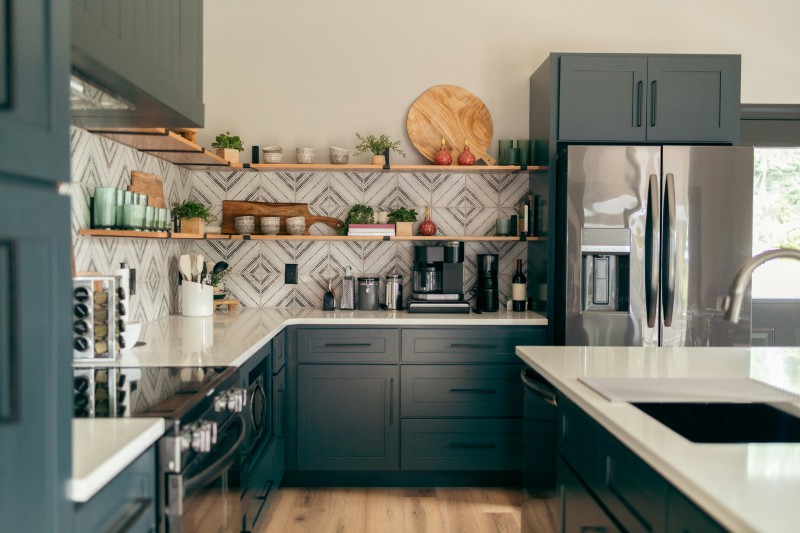
Kitchen cabinets take up a huge amount of visual space, which makes them one of the most impactful surfaces to change.
Deep greens, navy blues, warm browns, and even black can make a kitchen feel more distinctive and grounded. Painting lower cabinets while leaving upper cabinets lighter can also add contrast without overwhelming the room.
And while it may feel like a big move, it’s still just paint. Cabinets can be repainted again down the road if preferences change, making it far less permanent than replacing them entirely.
Add a checkerboard floor using paint
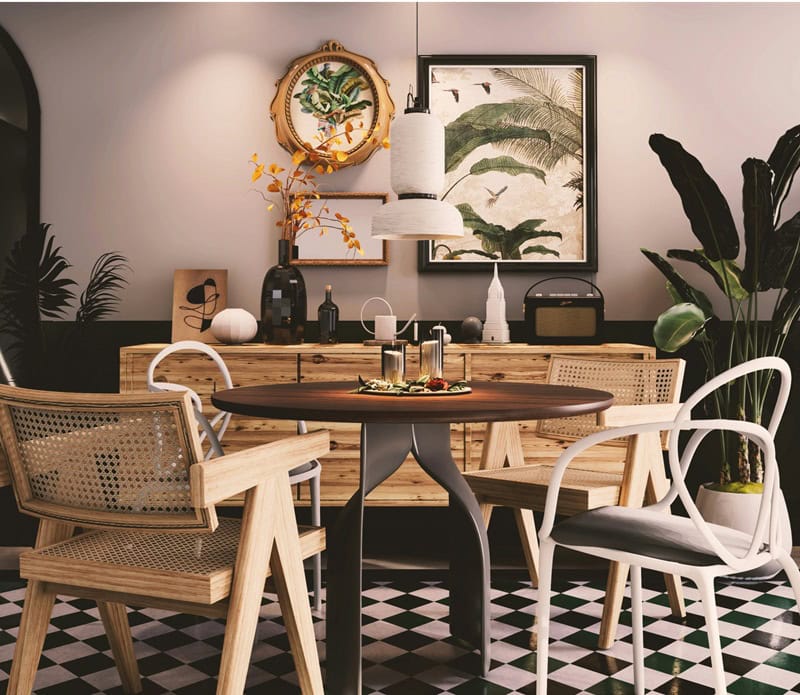
Checkerboard floors have been around for centuries, but painting one yourself makes the look far more accessible.
Using porch or floor paint, it’s possible to create classic black-and-white patterns or softer combinations like taupe and cream. The result can make an entryway, mudroom, or laundry room feel far more intentional and designed.
Unlike tile, painted floors aren’t permanent. They can be sanded down, refinished, or repainted entirely if preferences change, making it a bold move that doesn’t lock you in.
Swap out standard hardware for something dramatic
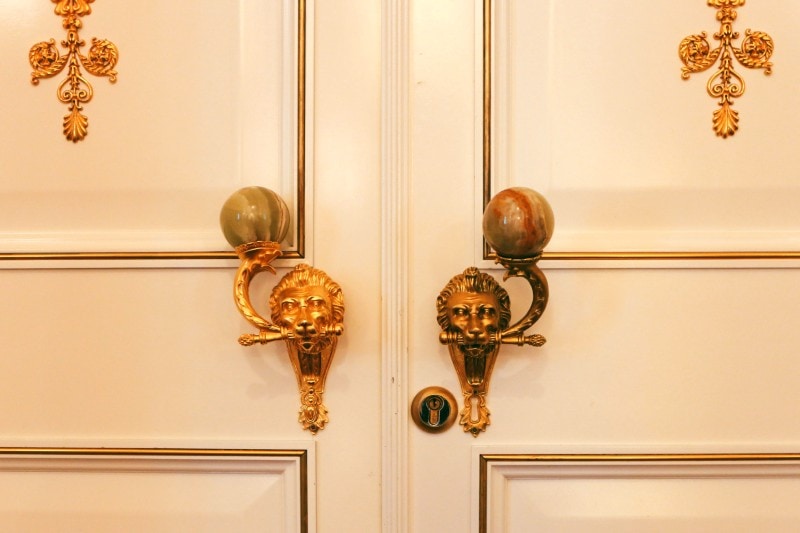
Cabinet hardware is often overlooked, but it plays a bigger role than most people realize.
Swapping basic knobs for oversized pulls, unlacquered brass, dark bronze, or more sculptural shapes can immediately change how cabinets, vanities, and built-ins look. It’s a relatively small investment that creates a noticeable upgrade.
And because hardware installs using the same screw holes, it’s easy to reverse later. The original pieces can even be saved and reinstalled if needed.
Install dramatic curtains for a palatial feel
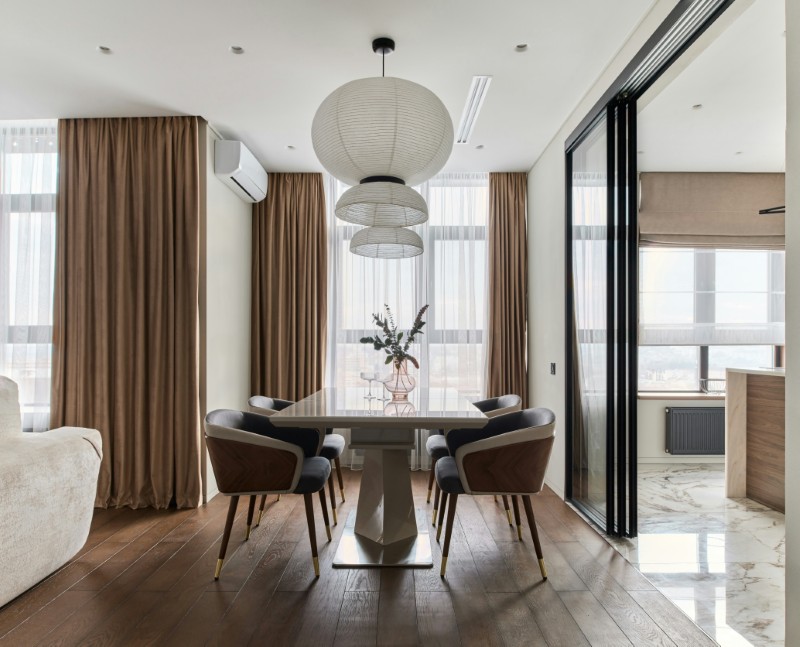
Curtains don’t just block light, they shape how a room feels.
Floor-to-ceiling panels, especially when mounted higher than the window frame, can make ceilings appear taller and rooms feel more finished. Bold fabrics, rich colors, or heavier textures can anchor a space and add warmth.
Unlike built-in elements, curtains can be swapped out easily. Changing them later can refresh the entire room without altering anything permanent.
Change age-old colors on paneling or wood walls
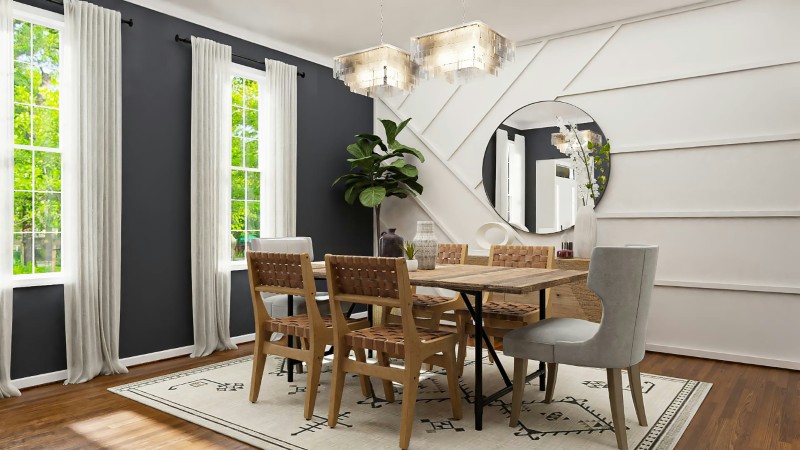
Wood paneling can feel dated in its original finish, but paint can give it a completely different presence.
Soft neutrals, deep greens, or even black can highlight the texture while making the space feel more current. The vertical or horizontal lines of the paneling still add architectural interest, just in a more updated way.
And if preferences change later, it can be repainted again. Compared to removing paneling altogether, paint offers a much simpler way to transform it.
Make built-ins stand out with more daring or contrasting shades
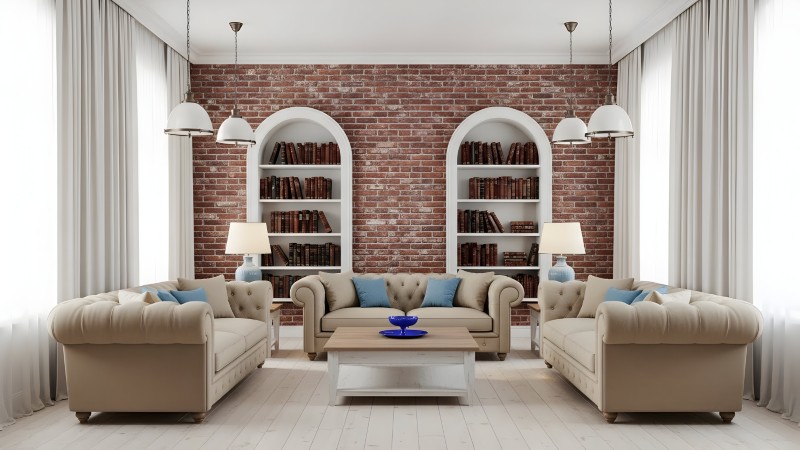
Built-ins are often painted to disappear into the wall, but giving them their own color can completely change their presence in a room.
Deep tones like navy, charcoal, or olive make books, objects, and artwork stand out more, while lighter contrasts can create subtle definition. Painting just the back panels of shelves is another option — it adds depth without committing to painting the entire unit.
And if the look ever feels too heavy, built-ins can always be repainted to match the walls again. Compared to replacing cabinetry, it’s a simple update with outsized visual payoff.
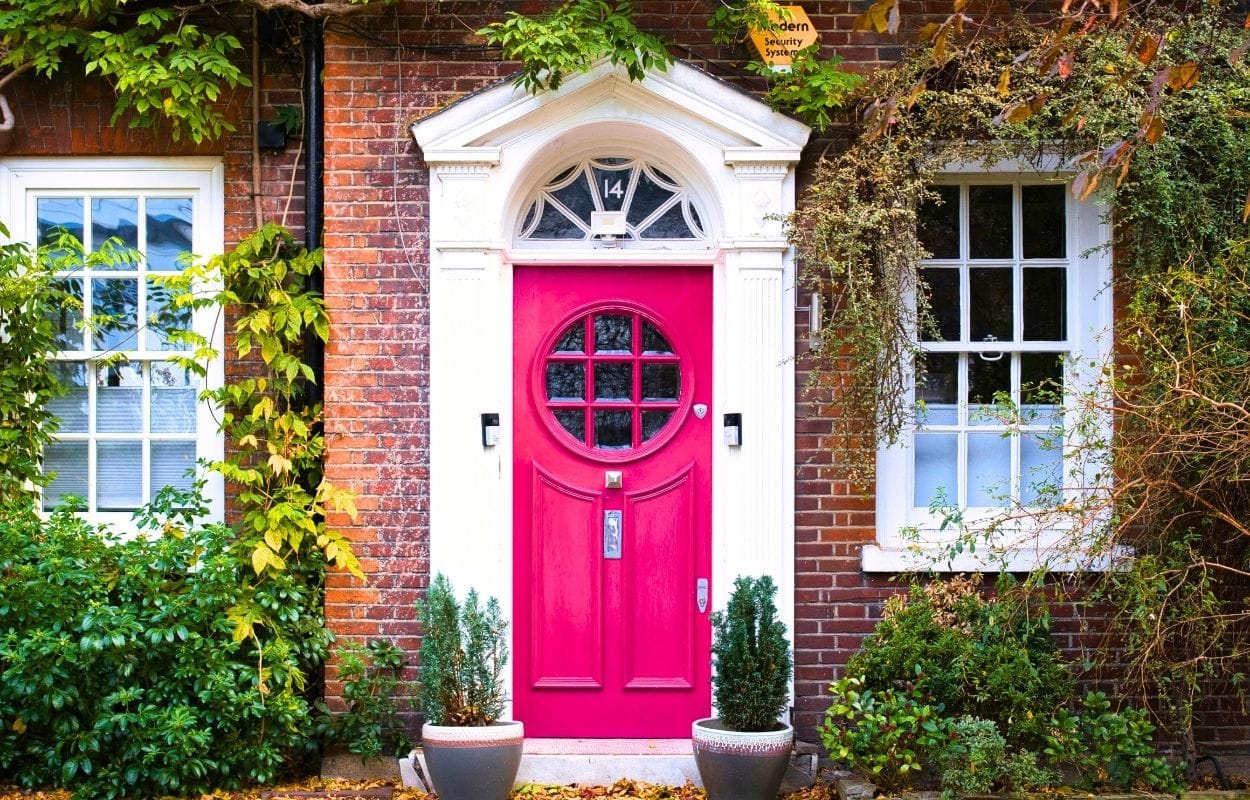
Paint your front door a surprising color
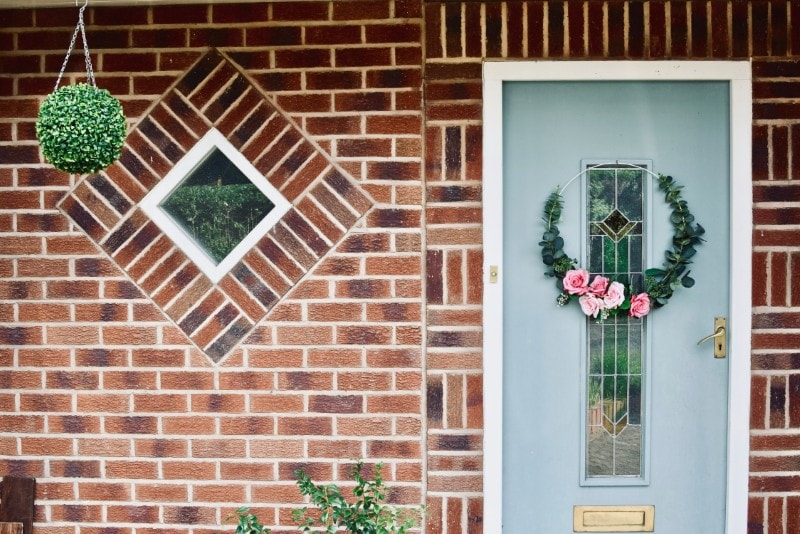
The front door is one of the first things people notice, which makes it the perfect place to take a risk.
Deep red, glossy black, olive green, pale blue, or even something brighter can completely change how the entire house feels from the street. It adds personality without requiring any structural changes.
And because it’s such a small surface, repainting it later is quick and inexpensive. It’s one of the easiest ways to experiment with color on the exterior.
Replace basic mirrors with oversized versions
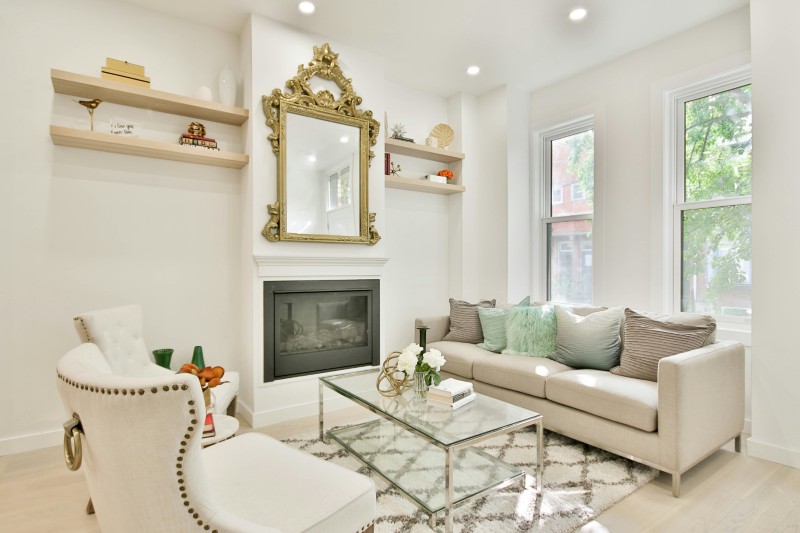
Oversized mirrors can dramatically shift the feel of a space.
They reflect more light, make rooms feel larger, and often act as sculptural elements on their own. Leaning a large mirror against a wall or installing one above a fireplace can create an instant focal point.
Because mirrors aren’t permanent fixtures, they can be moved or replaced anytime, making them one of the lowest-risk ways to make a bold visual change.
Try color-blocked walls for an eye-catching effect
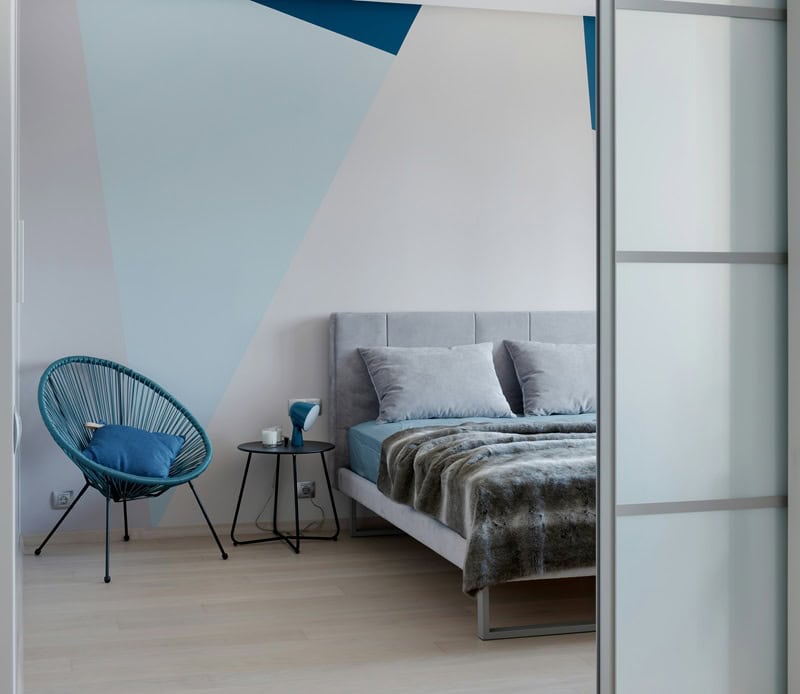
Color blocking can create architectural interest even in plain rooms.
Painting sections of walls — like a lower half, a corner, or a geometric shape — adds dimension and can help define zones within a space. It’s often used behind beds, desks, or seating areas to visually anchor them.
Because it relies entirely on paint, it can always be covered later. It’s a bold look that doesn’t require permanent alterations.
Paint trim a darker color than the walls
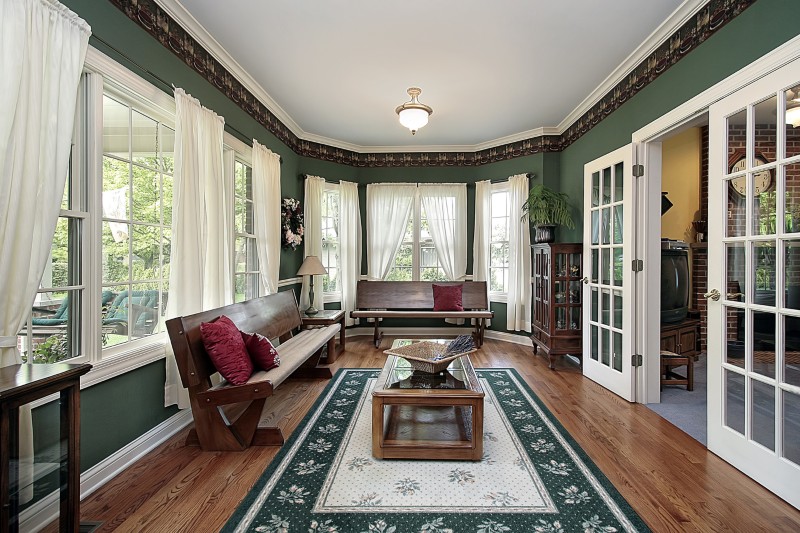
Most trim is painted white by default, but reversing that contrast can make a space feel more distinctive.
Darker trim frames walls and windows in a way that feels more intentional and architectural. It works especially well in older homes, where it can highlight original details that might otherwise blend in.
And since trim is relatively easy to repaint, the decision isn’t permanent. It’s simply another way to use color to reshape how a room is perceived.
Add bold area rugs for contrast and to liven up neutrals
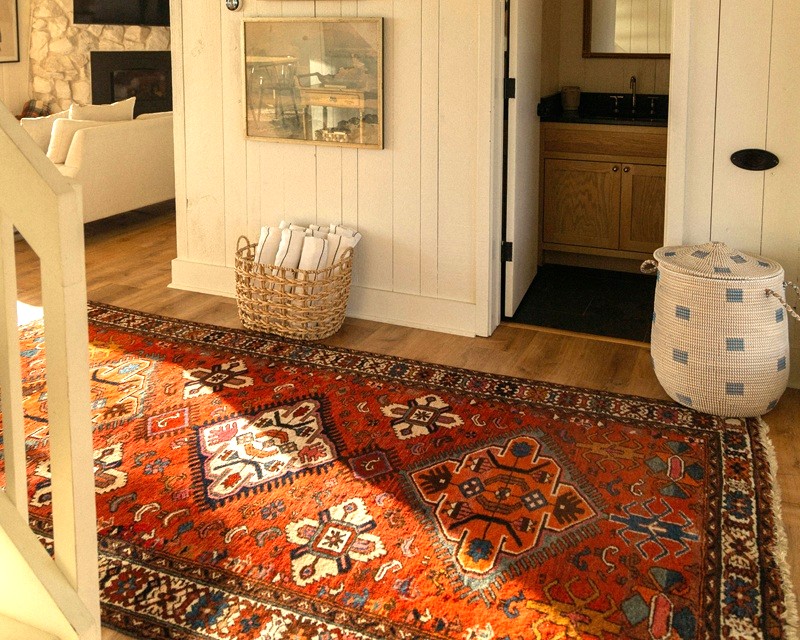
Rugs can define a space as much as furniture does.
Strong patterns, deep colors, or oversized dimensions can anchor a room and introduce contrast without altering anything structural. They’re especially useful in neutral spaces that need more personality.
And because rugs aren’t attached to anything, they can be replaced, rotated, or removed entirely. It’s one of the simplest ways to experiment with a more dramatic look.
Paint a fireplace surround to bring out its beauty
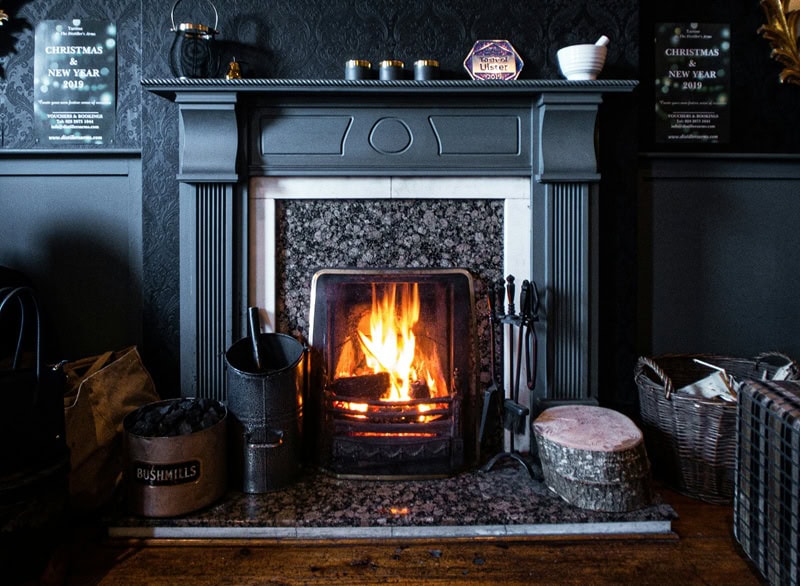
Fireplaces naturally draw attention, which makes them ideal candidates for bold changes.
Painting brick, stone, or wood surrounds in black, white, or deep neutral tones can modernize the entire room. It shifts the fireplace from background element to focal point.
If preferences change later, the surface can be repainted again. Compared to rebuilding or resurfacing, paint offers a fast and flexible way to redefine the space.
Replace standard light switches and outlet covers
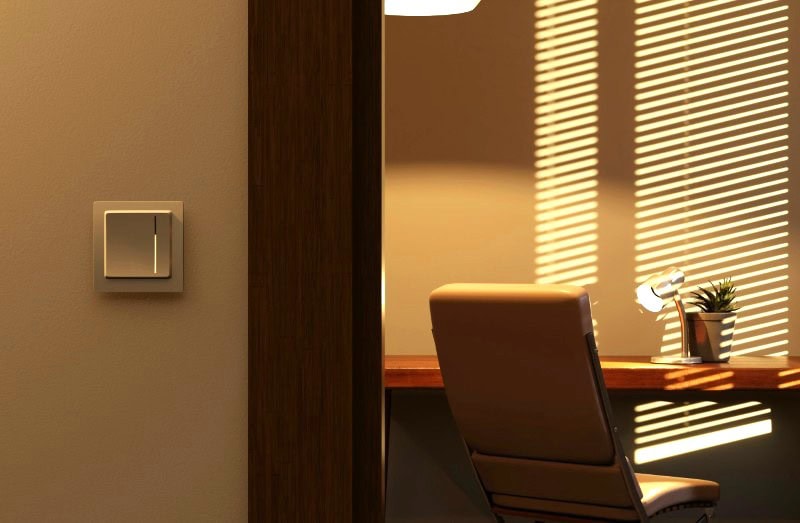
Light switches and outlet covers are small details, but they appear on nearly every wall.
Swapping basic white plastic plates for metal, matte black, brass, or even painted versions can subtly elevate a room. In older homes, this simple change can make everything feel more intentional and less builder-grade.
And because they install in seconds using the same screw holes, they’re easy to switch back if needed. It’s a minor upgrade that quietly improves the overall look of the space.
Paint stair risers or install vibrant tiles
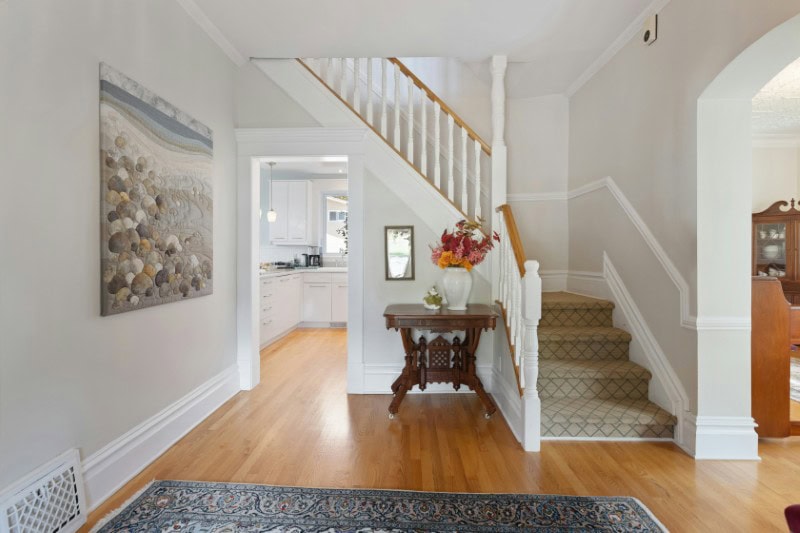
Stair risers offer an unexpected place to introduce pattern or color.
Painting them black, deep green, or even adding simple designs can turn an ordinary staircase into a focal point. It draws the eye and adds personality to an area that’s often overlooked.
And because risers are separate from the stair treads, they can always be sanded and repainted later. It’s a creative change that doesn’t permanently alter the structure.
Use one bold furniture piece for max effect
Furniture is one of the safest ways to experiment with bold design.
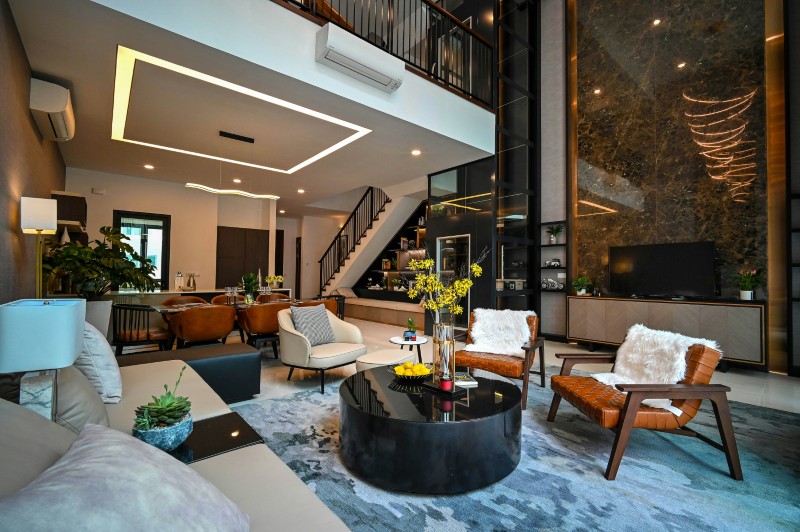
And while we can’t all afford to shop at high-end furniture stores, setting funds aside for ONE special, standout piece is more affordable.
A sculptural chair, richly colored sofa, or oversized coffee table can completely reshape how a room feels. These pieces help anchor the space and create visual interest without requiring any renovation.
And unlike built-in features, furniture can be rearranged, replaced, or removed entirely. It allows for experimentation without long-term commitment.
Paint interior doors a contrasting color
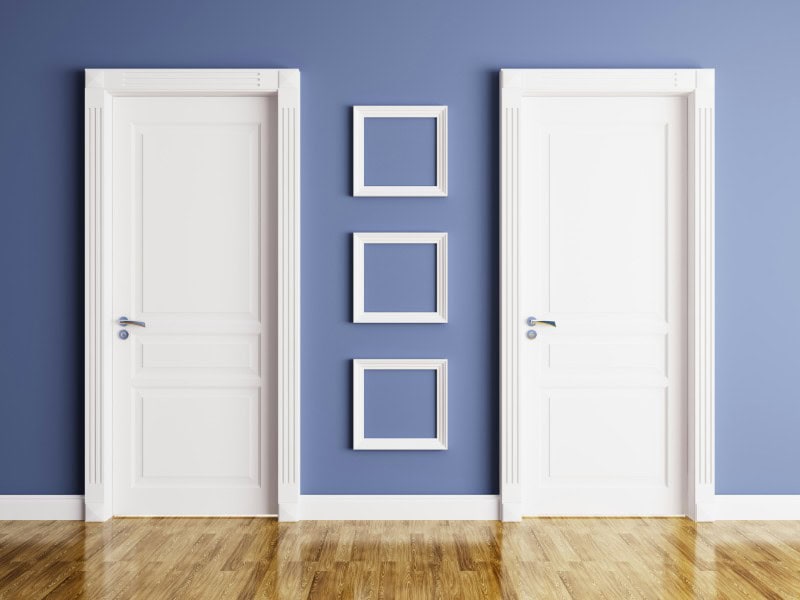
Doors are one of the easiest places to introduce contrast without overwhelming a room.
Painting them a dark shade creates crisp definition, especially against white or neutral walls. Deep green, navy, or brown can add warmth, while softer earthy tones like clay or muted terracotta bring in something more unexpected.
Even painting just the door while leaving the trim white can create a subtle but noticeable architectural effect.
Because doors are self-contained surfaces, they’re also easy to redo later. Repainting one takes an afternoon, not a full renovation. It’s a small change that quietly makes the entire house feel more custom.
Try bold bedding to make a statement in the bedroom
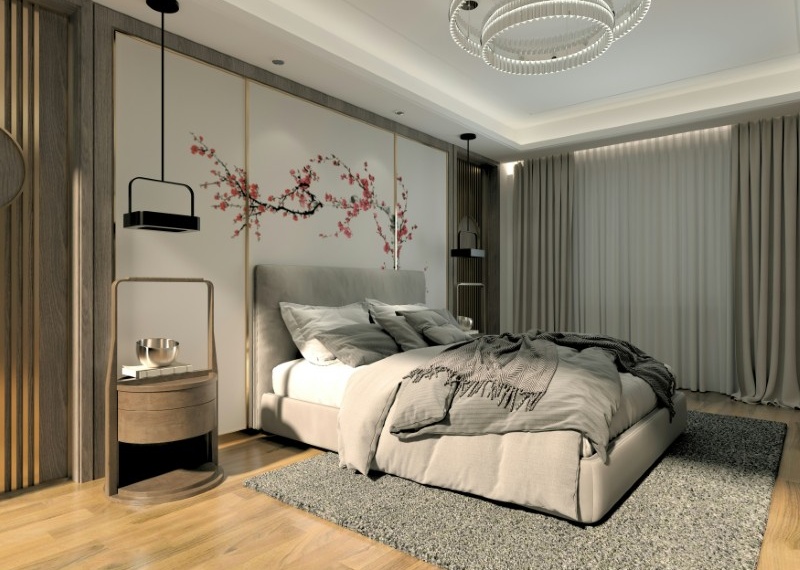
Bedrooms offer one of the easiest opportunities to experiment.
Bold bedding — whether through color, pattern, or texture — can completely change how the room feels. Rich tones or layered fabrics can make the space feel more inviting and finished.
And because bedding is designed to be changed, it’s one of the lowest-risk ways to introduce something new. It allows for flexibility without any permanent decisions.
Paint unexpected, secondary spaces to add pizzaz
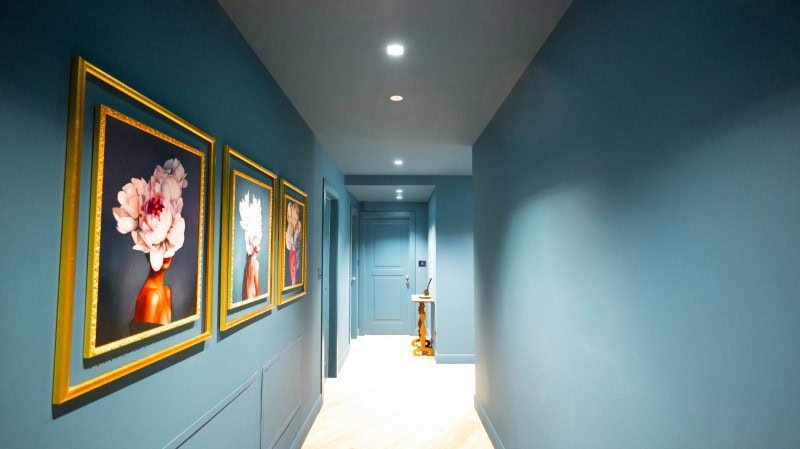
Some of the most memorable design moments happen in places people don’t expect.
Closets, interior doors, hallways, laundry rooms, and even ceilings in small transitional spaces can handle bold colors especially well. These areas are used briefly, which makes the impact feel intentional without becoming overwhelming.
And because they’re smaller spaces, repainting them later is quick and inexpensive. It’s a simple way to experiment while keeping the rest of the home neutral.
More stories
12 home upgrades people regret most after the trend fades
15 five-figure upgrades seen in $10M homes that cost under $5K to replicate