

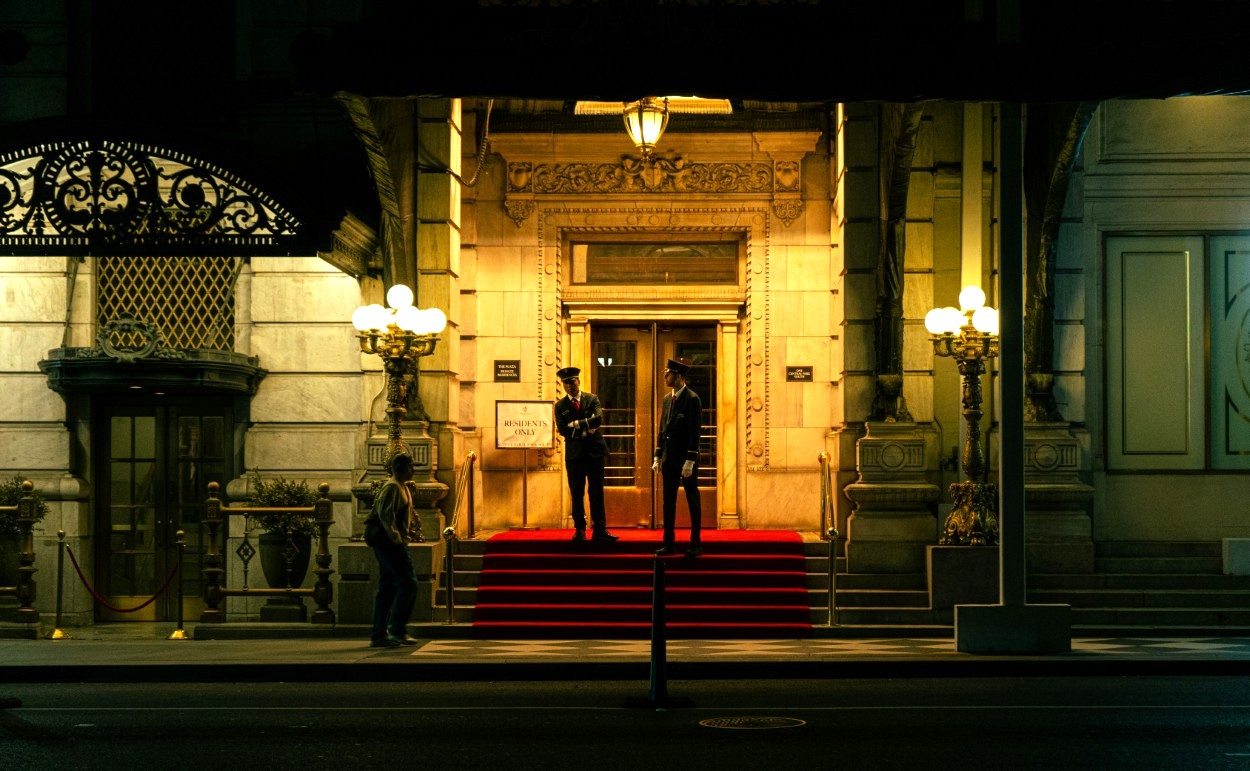
Everybody reads a building by its entrance and lobby.
Marble, a doorman in a decent coat, some enormous flower arrangement on a console table, and the impression forms before you reach the elevator.
The actual condition of the place shows up somewhere less photogenic: the ninety seconds you spend at the front door waiting to be let in.
Half of the details below appear right after a board finally stops patching the same panel for the fifth time and instead goes looking for intercom installers near me with the intention of doing the job once.
Next showing you attend, watch the entrance rather than the countertops.
What You See From The Sidewalk
Four signals land before you have even stepped inside, and they are the easiest ones to read.
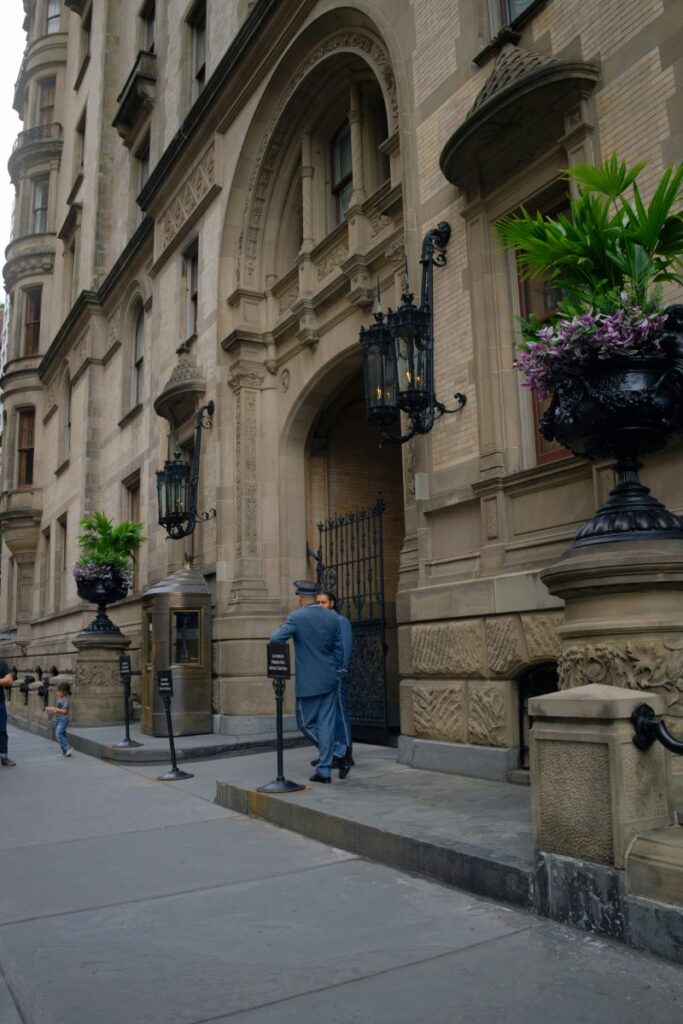
1. The Panel Matches The Actual Resident List
Names on the directory correspond to people who live there. No strips of masking tape with a Sharpie scrawl, no buttons where the label rubbed off years ago, no unit 4C listed twice because nobody removed the previous tenant.
Directories go stale in about a week if nobody owns the task. A current one means somebody updates it when a lease turns over, which tells you a great deal about how the rest of the building gets handled.
2. No Visible Wiring On The Facade
Look at the brick around the panel.
Cable running down the wall in surface conduit, stapled along the mortar line, painted over twice in two different shades: that is a repair somebody did fast and cheap. Wire that disappears into the wall means the work was planned, permitted, and finished properly.
Facades in landmarked districts especially: exposed conduit on a brownstone front is a small confession.
3. The Camera Sits At Face Height
A lot of entry cameras end up mounted wherever the installer found a clean run, which is usually too high.
The resident upstairs then gets a view of the top of a hat and a pair of shoulders. Panels placed for people rather than for cable routing put the lens somewhere around five feet, giving an actual face on screen.
Small thing, and it changes whether video verification does anything at all.
4. Street Door And Vestibule Door Are Handled Differently
New York entries usually come in two stages: an outer door to a small vestibule, then the door into the lobby.
Well-designed setups treat these as separate problems. Outer door stays open during the day or takes a credential; inner door carries the panel and the electric strike; the buzzer from upstairs releases the right one.
Buildings where both doors are propped, or where the panel controls a door that already stands open, never had anyone think it through.
What Happens When Someone Presses The Button
Now the part that only reveals itself when the system runs.
5. The Call Reaches The Top Floor Sounding The Same
Audio quality should not degrade with altitude. Crisp on two, muddy and thin on nine, and you are hearing a distribution problem rather than an old system. Usually the amplifier: those wear out, lose output, and produce exactly this pattern.
Residents interpret it as “our intercom is ancient” and boards spend years on that assumption when a replacement amplifier would have fixed it. A building where every floor sounds equal has someone paying attention.
6. The Unlock Works On The First Press
Push, hear the strike, pull the door. That is the whole interaction.
What you get in neglected buildings instead: press, nothing, press again, hear a buzz that stops before you reach the handle, wedge a foot in, repeat.
Timing games mean a failing strike, a bad button, or voltage that sags across a long run. Every resident in that building has developed a personal technique, which is honestly a little sad.
7. Residents Carry One Credential, Not Five
Ask what someone needs to get from the sidewalk to their apartment. The good answer is a phone or a single fob.
The revealing answer is a key for the outer door, a fob for the lobby, a code for the side entrance, a separate remote for the garage, and a different key for the laundry room.
Each of those came from a different project in a different decade, added by whoever was cheapest that year, never reconciled. Layers like that also mean nobody can revoke access cleanly when a tenant leaves.
8. Guests Get Temporary Access Rather Than A Spare Key
Modern panels issue a code or a link that works for a window of time and then stops. Contractors, dog walkers, the cleaner who comes Thursdays, the friend arriving before you get home.
Buildings still running on spare keys hidden in a planter, or on a super who holds twenty duplicates in a drawer, have an access problem they have chosen not to look at. In a building where units trade in the millions, the spare key under the mat is a strange thing to still be doing.
The Parts Nobody Photographs
Three last signals, all located where showings never take you.
9. Deliveries Have A Designated Spot With A Camera On It
Packages arrive constantly and the building either planned for that or it did not.
Planned looks like a shelf or lockers inside the vestibule, a camera covering them, and a way for couriers to get through the outer door without buzzing eleven apartments until someone gives up and lets them in.
Unplanned looks like a heap of boxes on the stoop in the rain and a group chat full of complaints. Video panels with delivery handling built in have made this a solved problem, so a building still fighting it is choosing to.
10. The Service Entrance Has Its Own Station
Front door gets the money and the attention. Back door, basement hatch, garage ramp, the door the trash goes out through: these are where actual unauthorized entry happens, and in most buildings they hold a mechanical lock installed in 1986 that gets propped with a brick every morning.
A building that put a station and a credential reader on the service entrance thought about the whole envelope. Ask the super to show you the back. His reaction to that question is informative on its own.
11. Somebody Knows What System The Building Has
Ask the managing agent or the super which brand the panel is, roughly how old the amplifier is, and where the documentation lives. In a well-run building you get a real answer, maybe a folder, occasionally a photo of the equipment closet on a phone.
In a badly run one you get a shrug and the name of a contractor who stopped returning calls in 2019. That gap explains most of the ten items above.
Equipment does not maintain itself, and every well-functioning entrance you have ever walked through had one specific person who considered it their responsibility.
More stories
‘Only Murders In The Building’: Is the Arconia a real building in NY?
The Dakota, NYC’s first luxury apartment building and its many famous residents
15 architectural styles that used to signal wealth — and what replaced them